The ONE Marketing Magazine
10 years of agency knowledge on social media, ads and AI - for SMEs and enterprises.
 Published by Stephan M. Czaja



News
The latest posts - fresh after the top stories.

B2B Marketing: Definition, Channels, and the Difference from B2C
What sets B2B marketing apart as a discipline, how it differs from B2C marketing, and…

Sales: Definition, Sales Process, and Social Selling
What sales really means as a business function, how a classic sales process unfolds, and…

CPA (Cost per Action): Definition, Formula, and Difference from Cost per Acquisition
CPA (Cost per Action) is a pricing model where you only pay for a defined action. We…

Video View: Definition, Platform Differences, and Watch Time Compared
A video view means something different on YouTube, Facebook, Instagram, and TikTok. We…

Sales Message: Structure, Examples, and the Impact of Strong Copy
What makes a compelling sales message, how it's structured, and why it decides whether an…
Word of Mouth: Referral Marketing, Recommendations, and Trust as a Sales Argument
Why word-of-mouth recommendations feel more credible than advertising, and how referral…

Case Studies: Structure, Social Proof, and Use in Marketing
Case studies are one of the most credible forms of proof in marketing. We show you how a…

Webinars: B2B Leads, Live Formats, and the Perfect Structure
Webinars are among the most effective tools for B2B lead generation. We show you how live…

Social Media Videos: Reels, Stories, and Formats for Strong Reach
Social media videos have long been the most important content format in digital…
Cases
Success stories and campaign results from our clients.

1M+ Traffic for G-Class & Maybach
Influencer marketing for Mercedes-Benz G-Class and Mercedes-Maybach — 2 premium creators generated 1M+ traff…
Luxury Fashion TikTok
TikTok content production for luxury fashion brands Balenciaga and Off-White — shooting accompaniment, BTS c…

€0.06 CPC via UGC Ads
TikTok and Reels ad campaign achieving €0.06 CPC and 750K+ Reels views — UGC content generated 2x more click…

WW: Legendary Creator Event
WW's legendary annual creator meetup — 50+ creators, Motsi Mabuse (Let's Dance star) giving personal dance c…
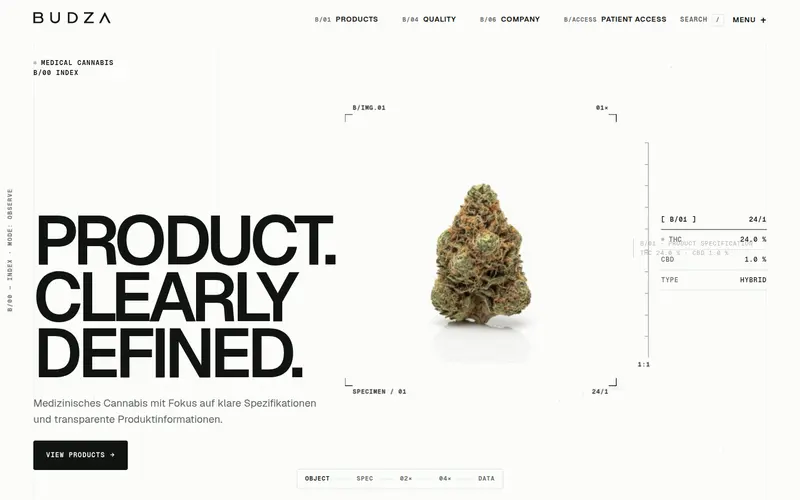
Branding & Website for a Medical Cannabis Brand
Brand development and website for BUDZA, the medical cannabis brand of Cannamedical Pharma GmbH. A clinical …

Branding & Websites for a Private Jet Charter Portal
Brand development and websites for PrivatJet.one (Germany) and PrivateJets.one (international): a charter po…
+25% Reach Through TikTok
Consulting and growth strategy for the jewelry brand — +25% reach, +10% engagement and 3M+ views through Tik…
2M+ Views, 300K Likes — Lab Goes Viral
International ad management and social media content production for Eppendorf SE — content days at the lab p…

VR Fashion Show — 4 Characters
VR-powered fashion show production for Marc Cain during pandemic — when live audiences were unavailable, 4 V…
KI und Zukunft
AI, automation and tomorrow's marketing trends.

AI Sales Software: Comparison of Features, Providers, and ROI
AI-powered sales tools promise more leads, shorter sales cycles, and less manual work…

Meta Advantage+: AI campaigns on Facebook and Instagram
Meta Advantage+ has fundamentally changed the way Facebook and Instagram advertising…

Robots in Marketing: How Technology and Automation Are Transforming Brands
Robots are no longer confined to factory floors—they’ve made their way into marketing…
Anthropic: The Company Behind Claude, Explained Simply
Anthropic is the American AI company behind the language model Claude and, alongside…

Perplexity: The AI Search Engine That Cites Sources—Explained Simply
Perplexity is an AI search engine that answers questions directly with a clear response…

AI Training Data: How Language Models Learn and What That Means for Websites
Every language model, such as ChatGPT, has been trained on massive amounts of digital…

Language Model (LLM): Definition and Importance for SEO/GEO
A language model—often referred to as an LLM (Large Language Model)—is the technology…

AI Systems: An Overview of ChatGPT, Perplexity, and Gemini
These days, when someone asks a question, they’re increasingly likely to find a fully…
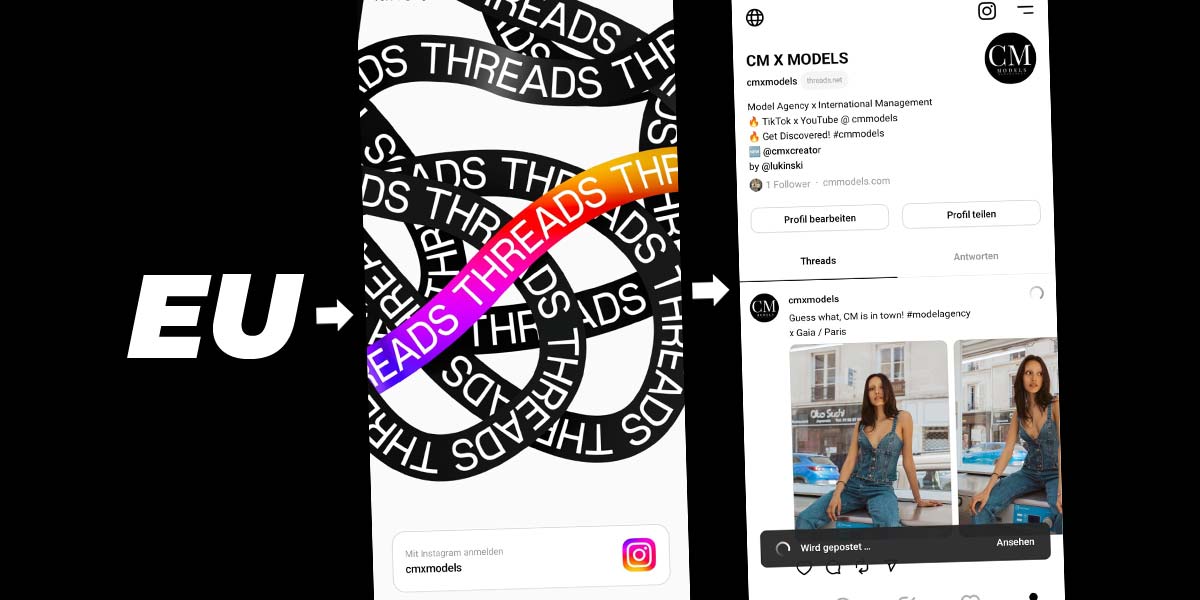
K-Pop Marketing: How the Korean Pop Wave Is Changing Brands
K-Pop is more than just music —it is an industrially perfected marketing ecosystem that…
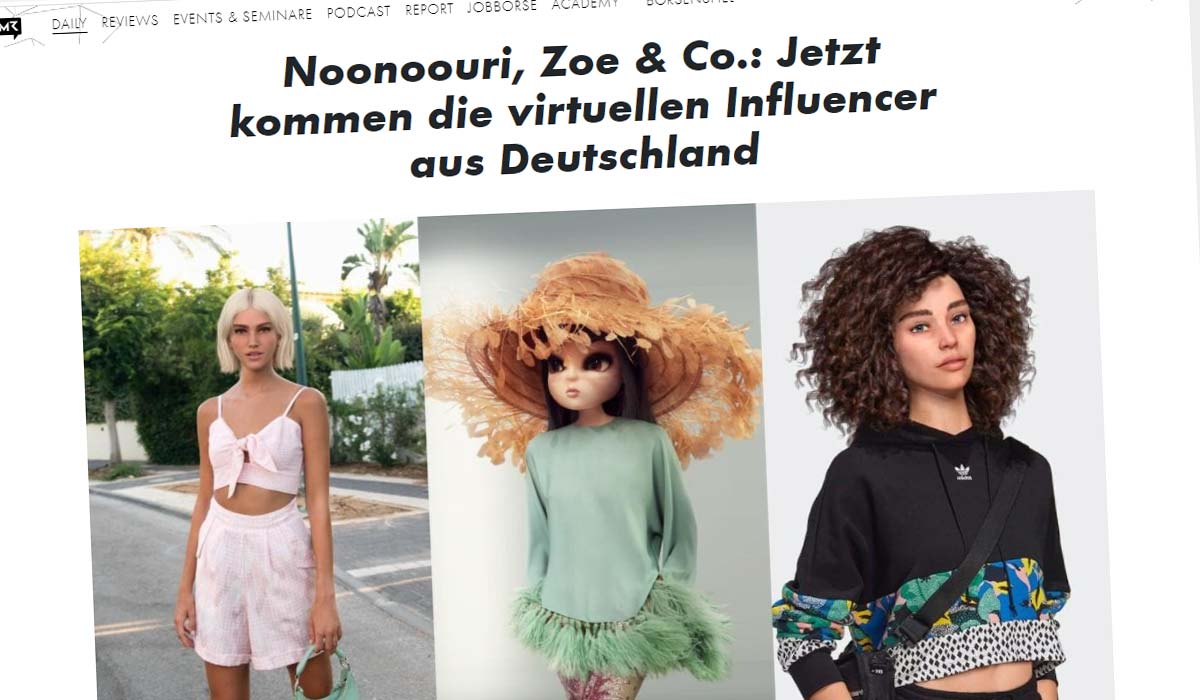
Pop Culture in Marketing: How Brands Use Trends, Memes, and the Zeitgeist
Pop culture and marketing have become inseparable. Brands that capture the spirit of the…

Generative AI Models: How ChatGPT, Perplexity, and Google AI Overviews Are Changing Visibility
Generative models generate their own, tailored responses to a query—rather than simply…

Trade fair agency: Trade fair stand, construction, marketing, advertising - Our agency
Why coordinate three different agencies when just one can guarantee overall success?…
Recruiting & Fachkräftemangel
Finding and keeping talent: employer branding, active sourcing and social recruiting.
B2B Lead Generation: More Qualified Leads
Qualified B2B leads are the foundation of any sustainable business growth—and at the same…
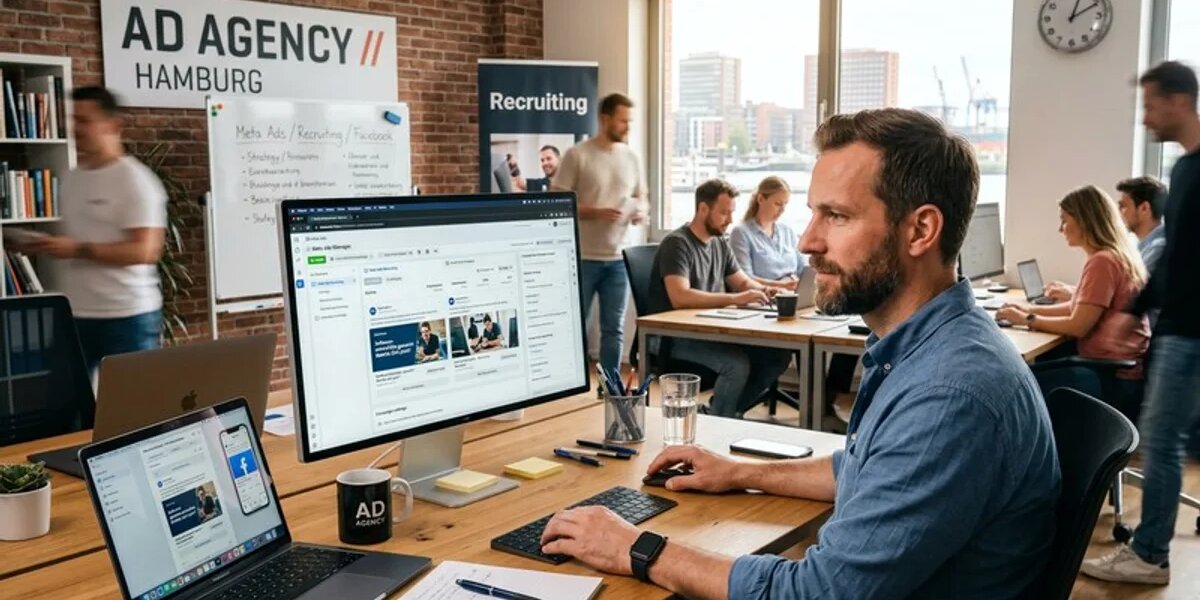
Skilled Labor Shortage in SMEs: Finding, Retaining, and Attracting Employees
The shortage of skilled workers is hitting small and medium-sized enterprises hard—and…

Optimize Your Job Posting: Attract More Applicants and Better Candidates
Many companies wonder why their job postings generate so few applications—even though the…
Meta Ads Recruiting: Job Postings, Targeting, and Social Recruiting
Job openings remain unfilled for months, traditional job portals barely yield any…

Job Portal Comparison: Indeed, StepStone, and LinkedIn for SMEs
Postingjob ads and hoping for the best—that’s a thing of the past. Today, any…
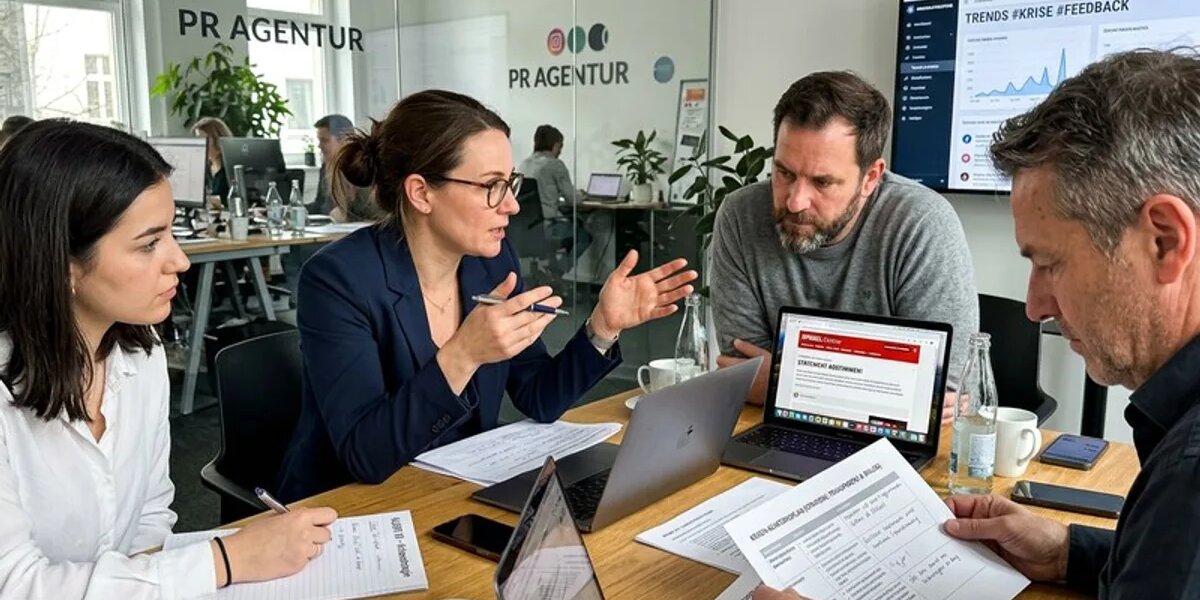
Employer Branding for SMEs: Employer Brand, Attracting and Retaining Employees
A shortage of skilled workers, tight budgets, and direct competition with major brands…
Employee Retention: SME Initiatives and Skilled Workers
For many small and medium-sized businesses, employee retention is no longer just a…

Candidate Experience: Optimizing the Application Process, Recruiting & Talent
Many medium-sized companies lose qualified candidates not because they lack appeal as…
LinkedIn Recruiting: Attracting Talent, Generating B2B Leads, and Driving Growth
A shortage of skilled workers and empty order books at the same time—for many B2B service…
Active Sourcing: SME Strategy, Direct Outreach, and Talent Acquisition
The job market has undergone a fundamental transformation: Qualified professionals no…

Social Media Marketing for the Logistics Industry
Logistics companies often face a twofold challenge: They must attract new customers for…

Recruiting marketing: Attracting talent via social media
Qualified specialists are becoming scarcer, the competition for talent tougher: over 70…
Mehr Reichweite, mehr Sales
Performance marketing, SEO and campaigns that provably drive revenue.
Cost per Acquisition (CPA): Calculation, Formula, and Difference from CAC
Cost per Acquisition (CPA) shows what acquiring a new customer really costs you. Formula…
How-To Content: Using Tutorials, Guides, and Search Intent Effectively
How-to content delivers exactly what users are actively searching for: a clear guide to a…

Organic Rankings: Ranking Factors, Backlinks, and Content Quality
Organic rankings determine your visibility in unpaid search results and depend on content…

More Website Visitors: Channels, Leverage Points, and Metrics
More visitors to your website aren’t an end in themselves—they only matter if they belong…
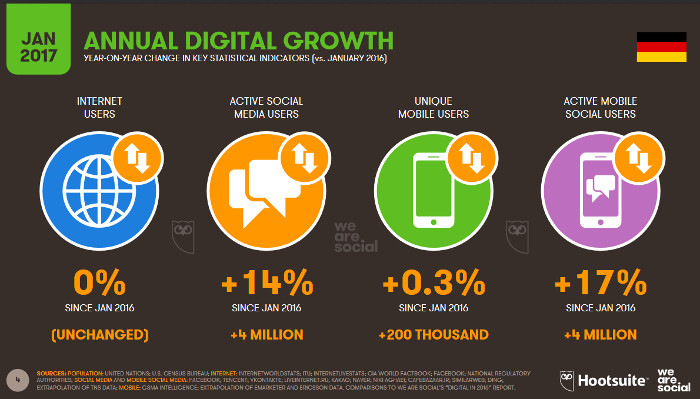
More Sales: Leverage and Key Metrics for Increased Revenue
More sales don’t automatically mean more traffic or more leads—they mean more closed…

McDonald's Soccer Cups: Collectible Campaign, Schweinsteiger, and Samuel Jackson Under the Marketing Microscope
Some campaigns work just once. McDonald’s soccer cups work time and time again…
More Downloads for Your App: 15 Strategies for ASO, Paid, and Organic
Getting more app downloads isn’t a matter of chance—it’s the result of a…

YouTube Pre-Roll Ads: Formats, Costs, and Impact
YouTube pre-roll ads are video ads that play before the video the viewer has actually…
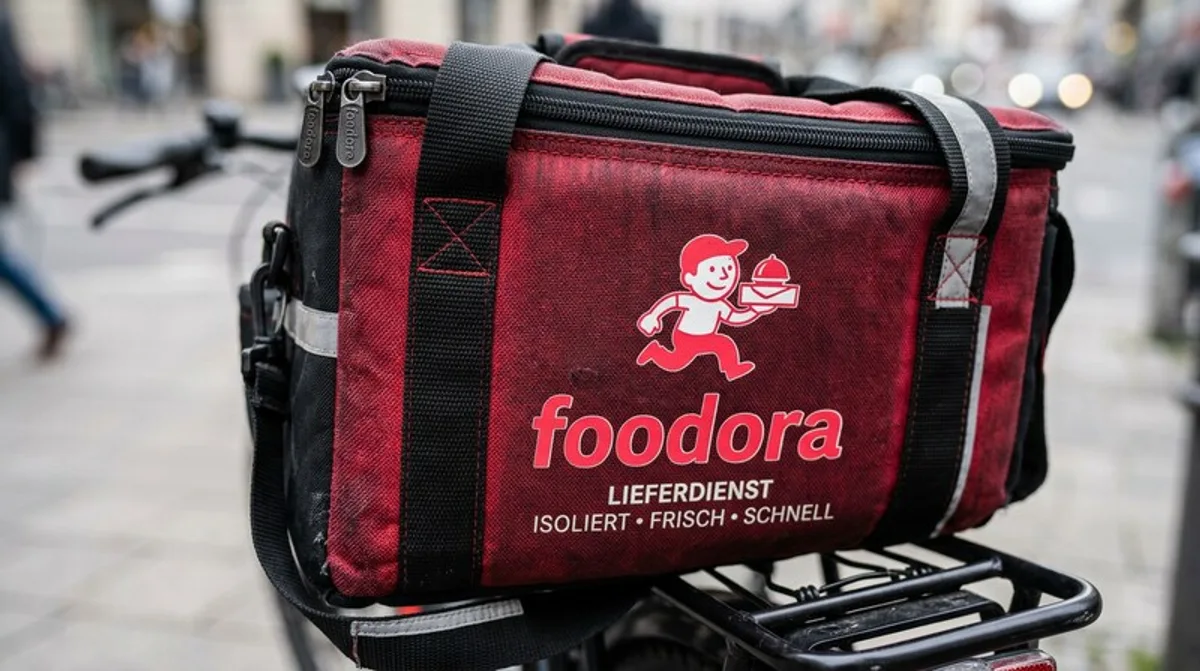
Fast Food Marketing: Strategies, Advertising, and the Secrets to Success of Major Chains
McDonald’s doesn’t sell burgers—McDonald’s sells experiences…
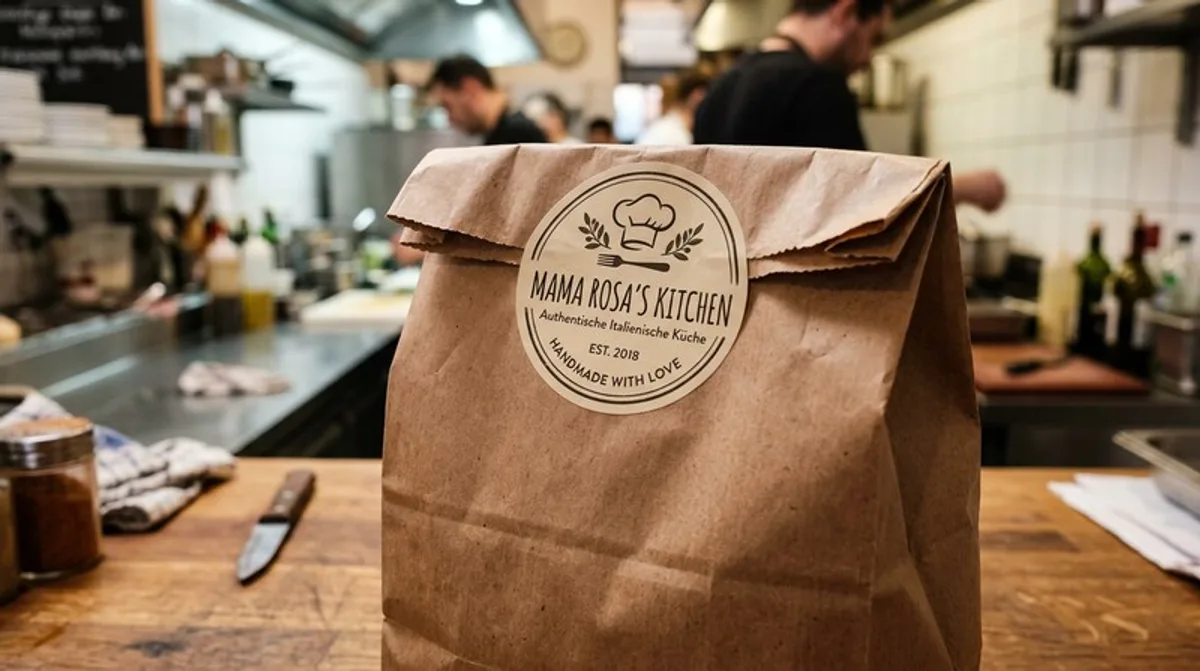
QSR: Quick-Service Restaurant Marketing for Fast-Food Chains
QSR stands for Quick Service Restaurant and refers to the business model of fast-service…
Visibility: What Really Makes Companies Visible on Google
In marketing,visibility describes how present a brand or website is where its target…

Performance Max: The Automated Google Ads Campaign Type
Performance Max is an automated campaign type within Google Ads that uses a single…
Für Unternehmen
Online shop, newsletter and email marketing for your company.

Cross-Selling and Upselling: Difference, Examples, and Strategy
Cross-selling grows the cart, upselling grows its value. We explain the difference, share…

Private Label: Significance, Strategy, and Competition with Manufacturer Brands
Over the past two decades, private-label brands have evolved from being merely low-cost…

Private Label: Development, Benefits, and Strategies in E-Commerce
For online retailers, private labels in e-commerce are no longer optional—they’re a…

Retail Marketing: Strategies, Channels, and Customer Loyalty in the Retail Industry
The retail industry is undergoing constant change. While e-commerce is gaining…

Retail: Definition, Trends, and Strategies in Modern Retail
The retail sector is undergoing a fundamental transformation. What used to be purely…

Singles' Day: The World's Largest Shopping Event and What Brands Can Learn From It
Every year on November 11, China transforms into a massive digital shopping mall—and the…
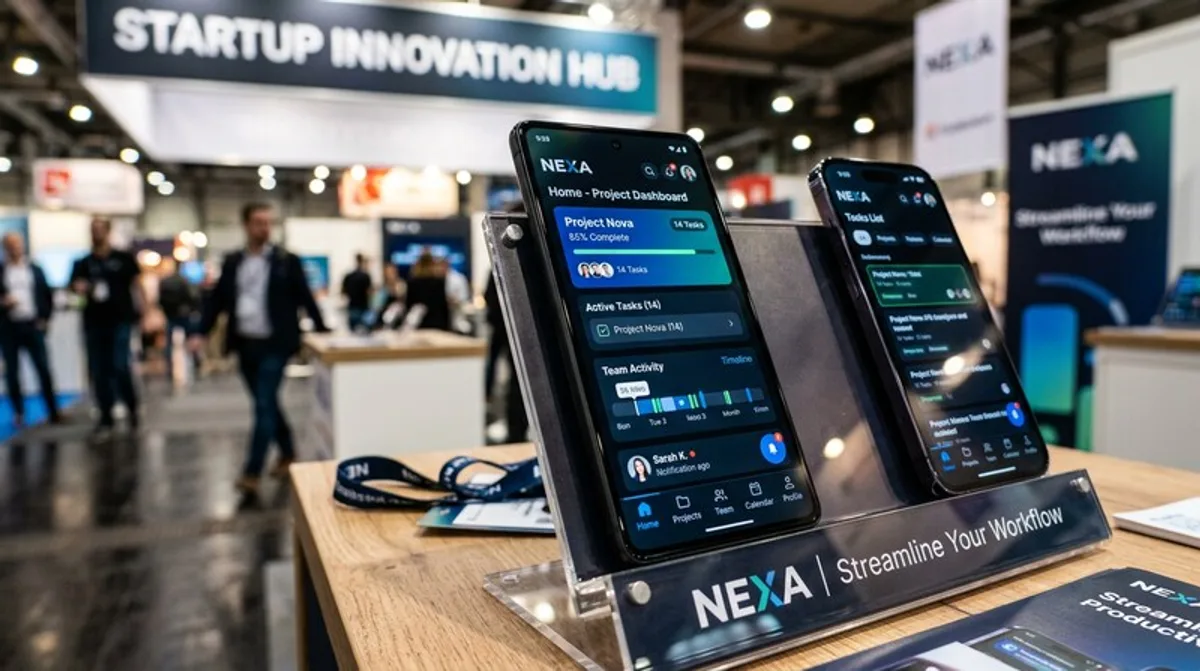
Shopping Event: How Brands Use Events to Create Shopping Experiences and Drive Sales
Clicking “Buy” takes just a moment—but what sticks in your memory? Brands seeking lasting…
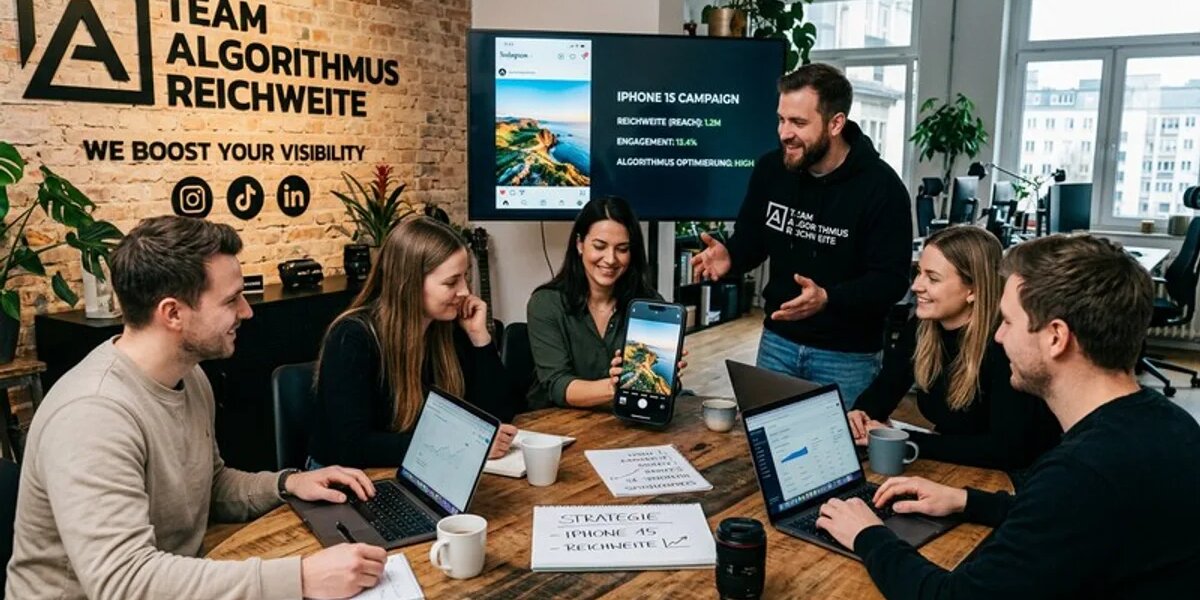
Creative Teams in Advertising: Roles, Processes, and Creative Collaboration
Behind every iconic campaign is not a single genius—but a well-coordinated team that…
Countdowns in Marketing: Urgency, Scarcity, and Time-Based Campaigns
Three, two, one—and sales skyrocket. What sounds like a magic trick is actually applied…
Discount Promotions in Marketing: Strategies, Psychology, and Success Factors
Anyone who still believes today that a large sale banner is enough to sustainably…

Black Friday Marketing: Strategies, Campaigns, and How Brands Can Capitalize on the Big Sale Day
No single day of the retail year brings together as many marketing decisionsat once as…

Media Coverage: Generating Earned Coverage and Optimizing Public Relations
While many brandsinvest millions in paid advertising, the most valuable medium remains…
Werbung & Content
Out-of-home, streaming ads, content production, short-form video and social media.

Influencer PR: Earned Media Through Collaborations with Opinion Leaders
Traditional public relations is aimed at journalists, while influencer PR extends this…

PR Tools: Software for Monitoring, Analysis, and Public Relations
PR tools automate precisely the tasks that traditional public relations used to handle…

More B2B Sales: Leads, LinkedIn, and Sales Strategy
B2B sales rarely result from spontaneous purchases, as they do in traditional…
Increasing Reach: The Most Important Leverage Points for Each Channel
For most companies, greater reach is the primary goal of any social media and content…

Influencers in Marketing: How Brands Use Influencers to Expand Their Reach
A single message that reaches the right people at the right time—and suddenly, an entire…

More Likes on Social Media: What Really Leads to More Engagement
Likes are the smallest but most visible signal on social media—and for the algorithm…
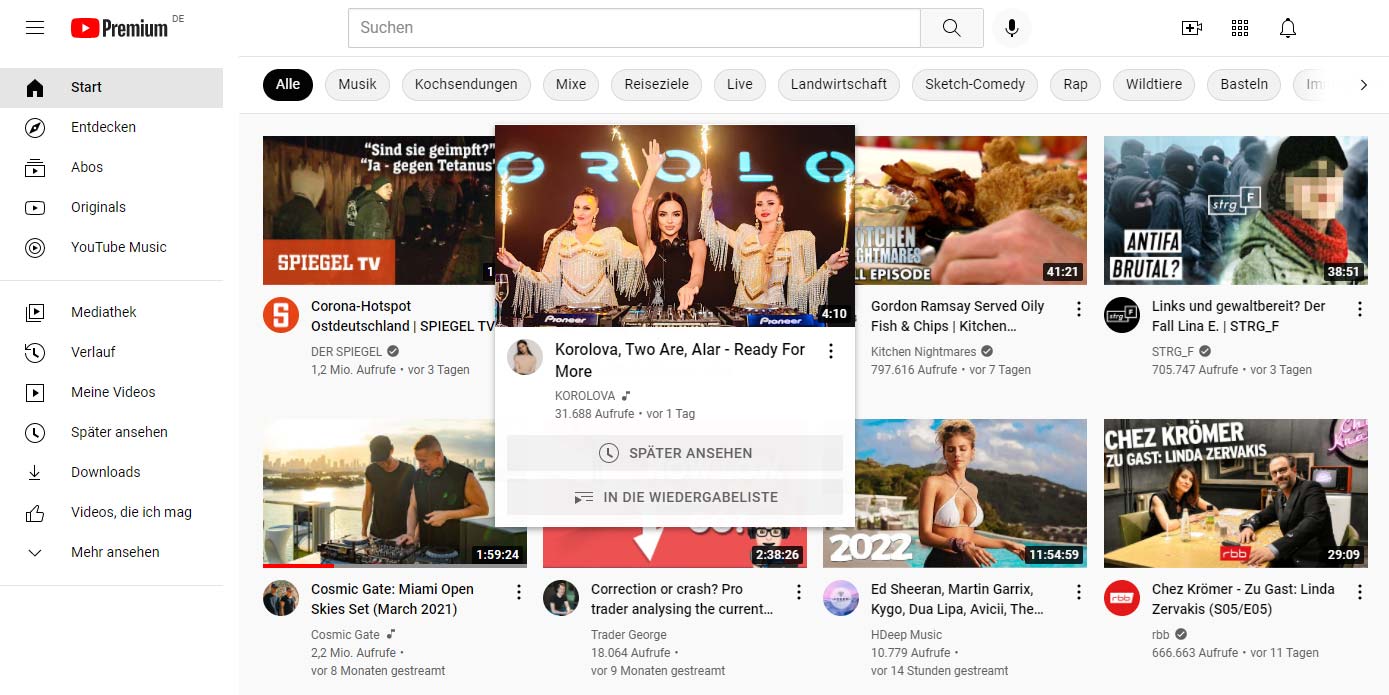
YouTube Streaming in Marketing: Live Events, Product Launches, and Community Building
Millions of viewers, zero broadcasting costs, maximum authenticity — YouTube Live has…

Coca-Cola: Share a Coke - Viral Video Marketing Case Study
Die Personalisierungskampagne mit Namen auf Flaschen verwandelte ein Massenprodukt in ein…
GEICO: Hump Day - Viral Video Marketing Case Study
Ein Kamel stapft durchs Buero und fragt Guess what day it is? - der einfachste Witz der…
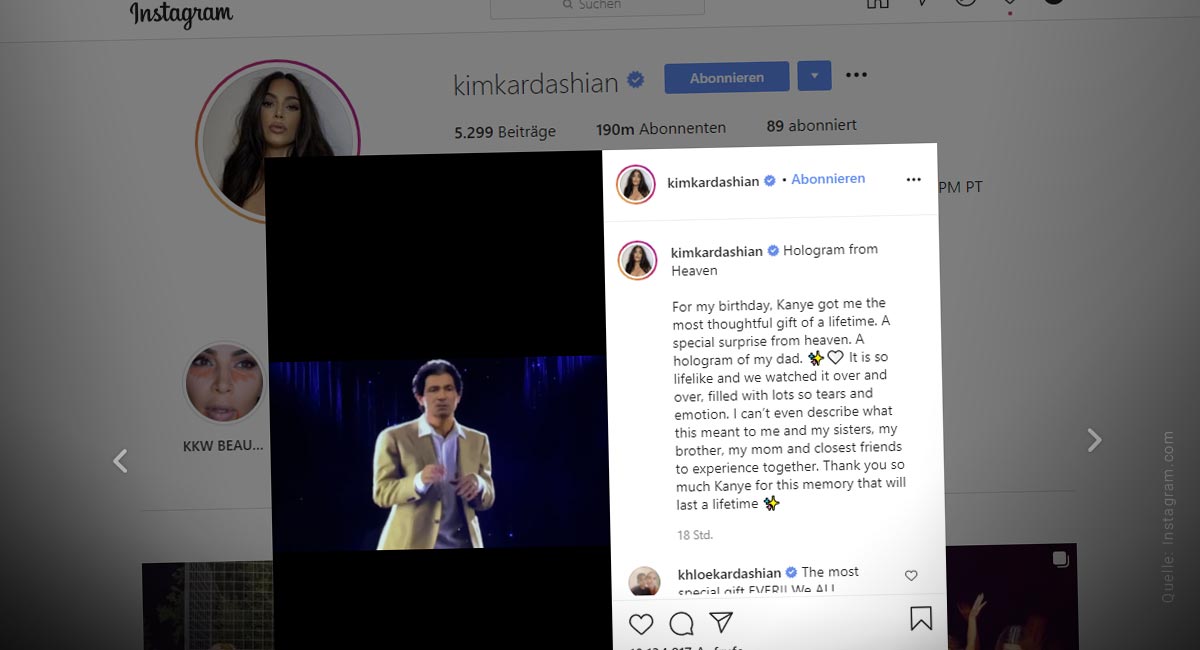
Live Commentary in Marketing: Real-Time Community Engagement
While the stream is running, the community is commenting—and it’s precisely at that…

Developing a Social Media Strategy: Case Study on Product Reviews and ABC Analysis
Who are you? That’s the big question. Do people love the brand, or do they just use it?…

LinkedIn Lead Generation: Attracting New Customers on LinkedIn
LinkedIn has long been the most important platform for B2B lead generation in…
No posts found for this search.
Guides. News. Trends – by Stephan
Partner


 4.9 / 5.0
average of the last 12 months. Survey after consultation – online, by telephone or on site.