QSR: Quick-Service Restaurant Marketing for Fast-Food Chains
QSR stands for Quick Service Restaurant and refers to the business model of fast-service dining establishments such as fast-food chains, chain restaurants, and takeout concepts. In fast-food marketing, the acronym has established itself as a distinct term because these chains’ advertising strategies differ significantly from traditional retail marketing and emphasize specific metrics such as the frequency of visits per location.
What Makes the QSR Segment Unique in Marketing
QSR brands thrive on frequency rather than the value of individual transactions: The goal is for a guest to return as often and as spontaneously as possible—not necessarily to spend a lot each time. This logic shapes virtually every marketing decision—from the placement of advertisements to the frequency of limited-time offers—and thus differs markedly from industries where a single purchase is planned well in advance.
From consulting practice: QSR campaigns that focus on traditional brand messages rather than specific, time-limited offers may generate goodwill, but they rarely produce the short-term surge in foot traffic that the business model requires.
Successful chains therefore combine long-term brand-building with short-term, clearly scheduled promotions, rather than choosing one of the two approaches. This dual strategy sets QSR marketing apart from many other industries.
- Frequency Is More Important Than the Value of a Single Transaction
- Placement and frequency affect every campaign
- A combination of branding and limited-time promotions
- A short-term increase in ridership as the primary goal
- Continuously weigh these two principles against each other
Local Reach as a Core Mission
Because each location serves its own catchment area, local visibility plays a significantly greater role in the QSR segment than in campaigns targeted solely at a national audience. Similar to ultra-local marketing for smaller restaurants, proximity to the customer matters more here than sheer reach.
- Each branch has its own catchment area
- Local visibility is more important than national reach
- Proximity to the guest as a decisive factor
- Parallels with Smaller Restaurants
Consistency across many locations
Large QSR chains face the challenge of conveying a consistent brand message across hundreds or thousands of locations without ignoring local nuances. Striking this balance is a central issue in franchise marketing, one that many QSR brands share structurally with traditional franchise systems.
- A Consistent Message Across Multiple Locations
- Still take local characteristics into account
- Structural Similarity to the Franchise Model
- Balance Between Headquarters and Branch Offices
Social Media as a Channel for Fast Food Restaurants
Short, visual formats are particularly well-suited to the QSR segment because they allow products and offerings to be showcased in just a few seconds. Many chains use the same strategies that work for restaurants and food service establishments in general, but scale them across significantly more locations simultaneously.
- Short, visual formats are ideal
- Display the product and offer in seconds
- Same business model as smaller restaurants
- Scaling across multiple locations simultaneously
Delivery Services and Third-Party Platforms in QSR Marketing
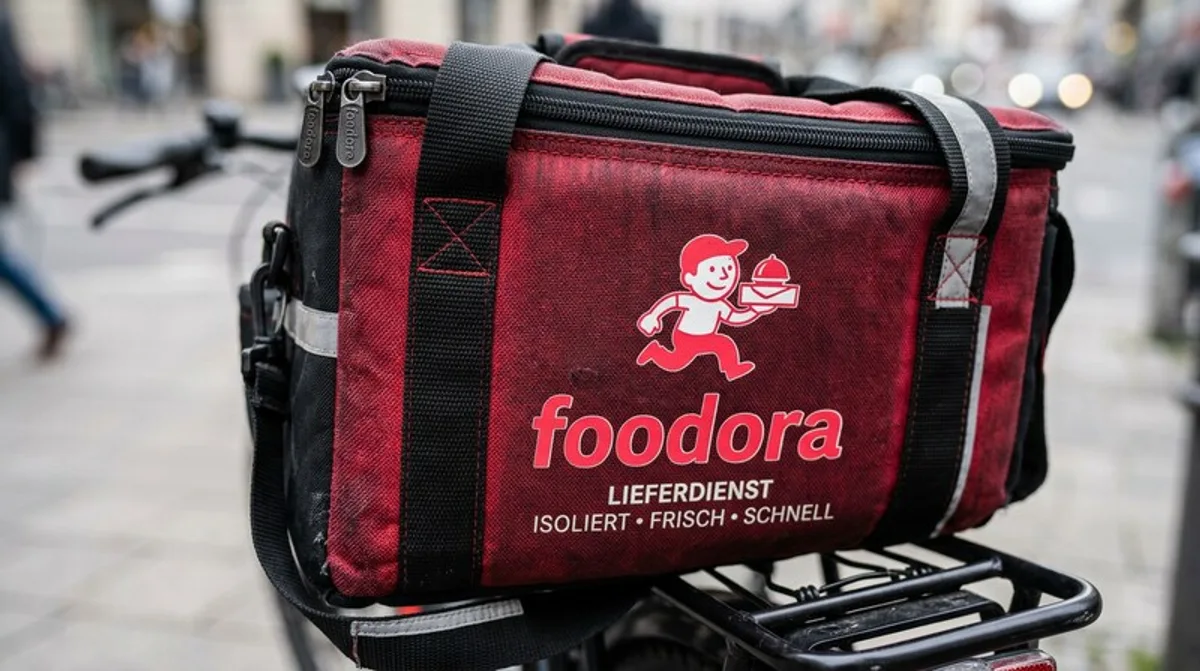
A growing portion of revenue in the QSR segment comes from delivery apps rather than from the restaurants themselves, which creates additional marketing challenges on the platforms themselves. Visibility in these apps’ rankings, reviews, and promotional campaigns on those platforms follow their own rules, which differ significantly from traditional communication through the restaurants’ own channels.
- Growing Share of Revenue from Food Delivery Apps
- Custom ranking logic within the app
- Reviews there are a key factor in purchasing decisions
- Separate rules for each channel
Seasonal Offers as a Recurring Strategy
In the QSR segment, seasonal and limited-time products are among the most reliable ways to generate recurring media attention without having to launch a completely new campaign every time. The announcement itself often becomes a standalone content opportunity for social media.
- Seasonal products generate recurring interest
- No need to completely rebuild the campaign
- The announcement itself becomes a content opportunity
- A proven, repeatable marketing lever
Discount Promotions as a Driver of Foot Traffic in the QSR Segment
Because QSR chains rely on high customer frequency rather than high average check amounts, a well-calibrated discount promotion is one of the most reliable tools for driving additional visits in the short term—for example, on otherwise slower weekdays.
Calibration is key here: Offering discounts too frequently permanently lowers guests’ expectations, while offering them too infrequently fails to achieve the desired frequency effect.
- Discounts Effectively Increase Visitor Frequency
- Particularly effective on slower weekdays
- Overuse leads to a permanent decline in price expectations
- Proper calibration is key to effectiveness
QSR in the Mass Market vs. Independent Restaurants
QSR chains typically operate in a traditional mass market characterized by intense competitive pressure from other chains, while independent restaurants often stand out through their uniqueness rather than economies of scale. This difference in starting points also fundamentally shapes the respective brand strategies of both groups.
For chains, this means maintaining a distinctive brand identity despite standardized processes, so that their offerings do not feel completely interchangeable within the mass market.
- QSR chains operate in the traditional mass market
- Independent Restaurants Emphasize Individuality
- Different Brand Strategies by Model
- A Distinctive Character Despite Standardization
Fast Food Marketing: Strategies, Advertising, and the Secrets to Success of Major Chains

Consumer Products: Marketing Strategies for B2C Goods and Consumer Products

FMCG Marketing: Strategy and Channels for Fast-Moving Consumer Goods

Case Studies: Structure, Social Proof, and Use in Marketing

Shared Media: Definition, Meaning and Strategy in the PESO Model

PR Tools: Software for Monitoring, Analysis, and Public Relations














 4.9 / 5.0