Content Production for Fitness Studios: TikTok, Instagram and the Journey from Concept to Finished Video
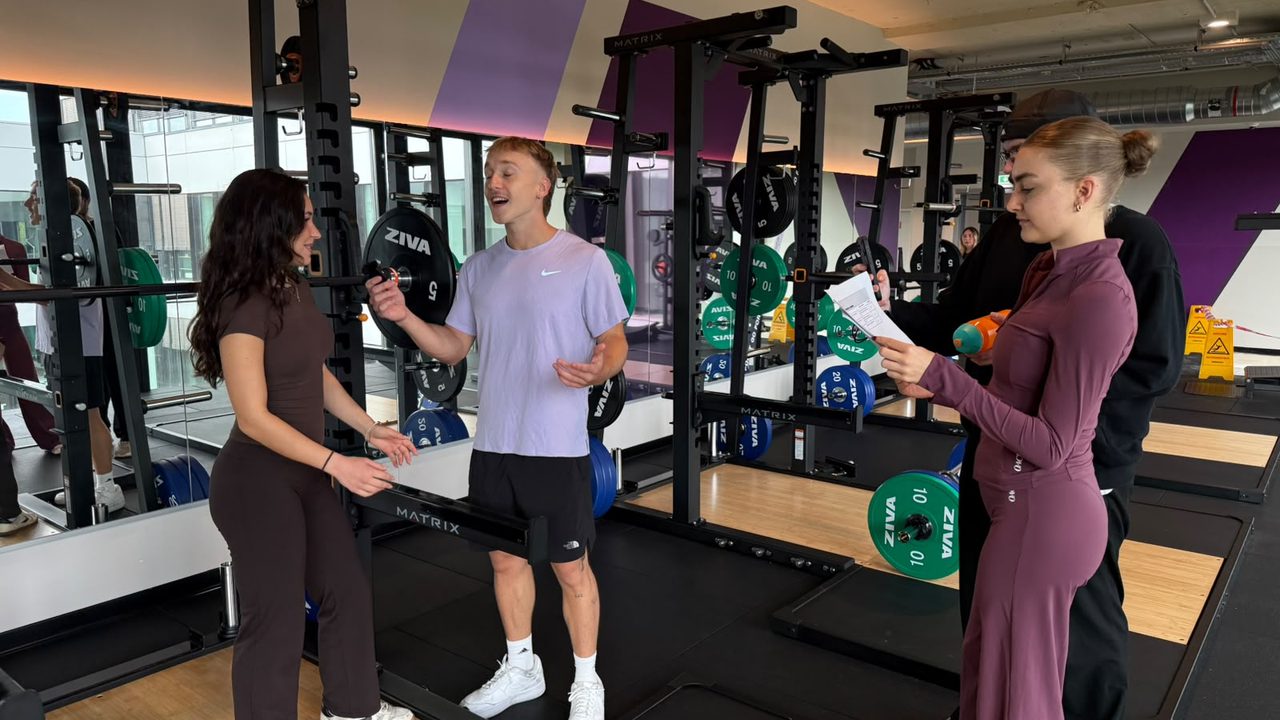
Today our team was on location with a client from the fitness industry to shoot new content for their social media channels. Days like this show best how content production really works in practice – from the first briefing to the finished reel. This post is not a client case study, but a look behind the scenes of our workshop: how we approach video content for fitness brands on social media strategically, organizationally and from a production standpoint – step by step, without it being about individual client names or offers. Here you can find our Cases.
Jump straight to a section:
- A shoot day up close
- From briefing to shoot plan
- Production on site: camera, interview, timing
- From raw footage to the finished reel
- Why behind-the-scenes content works
- Frequently asked questions
A shoot day up close: how content production for social media really works
A content shoot day starts long before the first camera rolls. For us that means: team briefing the day before, a quick coordination with the studio team on site, then setting up camera, light and microphone in a running fitness studio environment – so between training equipment, class schedules and real operations, not in a sterile studio. This real-world setting is exactly why these shoots work so well for TikTok and Instagram: the content doesn’t feel staged, it feels close to what audiences actually want to see.
Unlike a classic ad production with a storyboard and a fully blocked-off set, the team has to adapt to ongoing operations here. Classes start on time, members keep training, music plays in the background. This unpredictability is at the same time the format’s biggest strength: it creates authenticity, which later shows up in engagement rates and watch time – noticeably stronger than with polished, staged commercials.
| Time | Agenda item |
|---|---|
| 8:30 AM | Set up equipment, location check, test lighting |
| 9:00 AM | Quick alignment with the trainer on flow and key messages |
| 9:15 AM | Interview and soundbite recordings |
| 10:00 AM | B-roll: training, equipment, details, atmosphere |
| 11:00 AM | Review, first format sorting: TikTok vs. Reels |
From briefing to shoot plan: how we plan TikTok and Instagram content
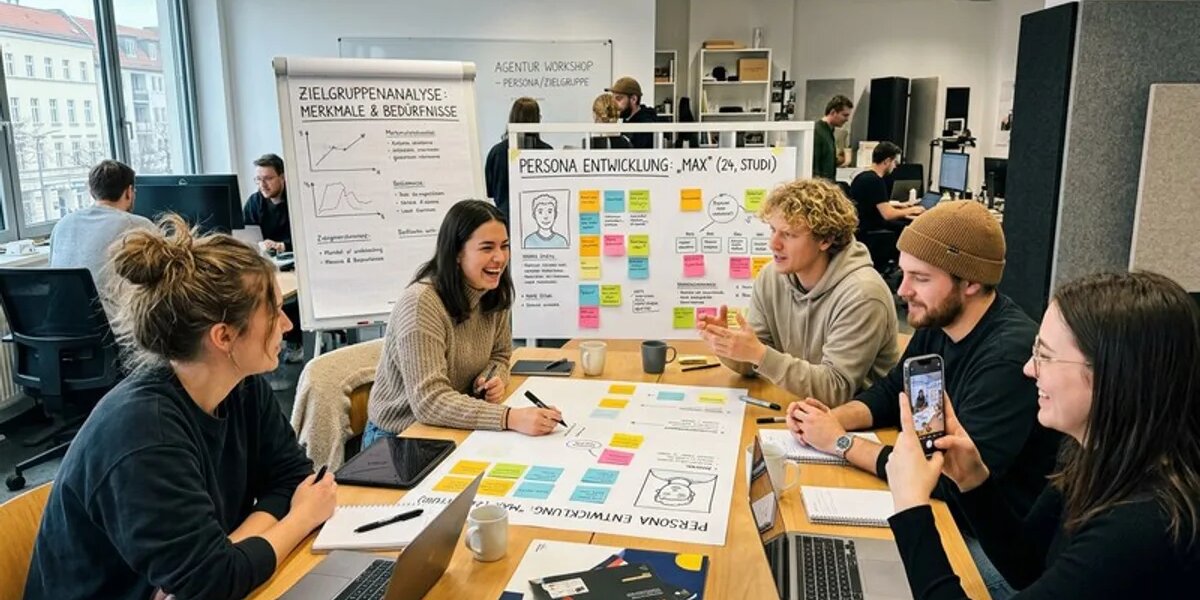
Before a camera is even packed, the content planning happens. Without a clear target audience definition, you end up producing pretty videos that nobody needs. This groundwork usually happens one to two weeks before the actual shoot date, typically in a short video call with the client.
Target audience analysis before the camera
Who actually watches TikTok and Instagram content from fitness studios? Mostly people who are close to a training decision or interested in a particular training style. That directly determines the tone and length of the finished video:
- Beginners: simple language, more explanatory depth, short clips
- Advanced: technical terms allowed, focus on finer details
- The target audience determines tone, length and editing rhythm
- Define the target group always BEFORE the shoot, never after
Finding topics: which content works for trainers
Instead of talking about offers or pricing, what works best on TikTok and Instagram is real knowledge. At its core, that’s content marketing in short video form, combined with good storytelling:
- Training tips from everyday practice
- Small corrections for typical exercise mistakes
- Honest answers to common community questions
- Short personal stories instead of sales language
Editorial plan and topic bank
So that topics don’t need to be debated fresh on every shoot day, we work with an ongoing topic bank:
- Continuously collect ideas (client requests, trends, community questions)
- Produce several topics at once per shoot day
- One morning generates material for several weeks
- No spontaneous guessing on set about “what are we shooting today”


Production on site: camera, interview, timing
On set itself, one thing matters most: pace, without losing quality. A running fitness studio doesn’t wait for the production – classes start, members keep training, operations continue as normal.

Equipment and setup during ongoing studio operations
Camera setup and lighting need to be built quickly and flexibly in these environments, see also our article on camera and lighting setup:
- A tripod, shotgun mic and one or two LED panels are usually enough
- Mobile, quickly reconfigurable equipment instead of a full studio build
- Switch from training floor to mini-studio within minutes
Interviewing trainers
Trainers aren’t actors – and that’s exactly what makes the content credible. Our job is to draw out genuine, unrehearsed answers with simple, concrete questions instead of memorized lines. This principle is closely related to what makes building a corporate influencer program work: people from within the company come across as more credible than any external ad figure, as long as you give them room for their own voice.
Dealing with background noise and timing during studio operations
Music from the speakers, clanking weights, conversations in the background – a fitness studio is anything but quiet acoustically. Instead of interrupting operations for this, we deliberately schedule interview recordings in short, quieter windows between two classes and work with lavalier microphones close to the person. That keeps the audio clean without having to stop the normal training routine.
From raw footage to the finished reel: editing, formats, distribution
After the shoot, the actual translation work begins: interview and B-roll material becomes several short, platform-ready videos.
Formats for TikTok vs. Instagram Reels
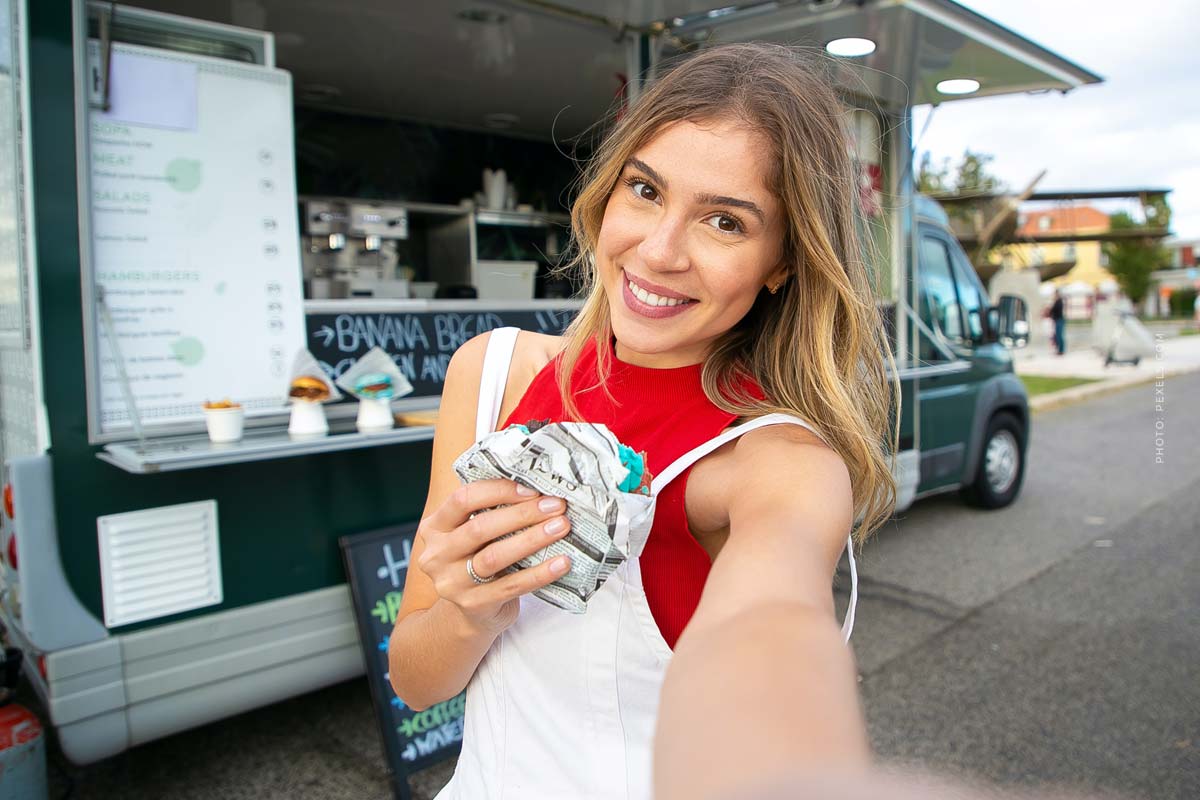
TikTok and Instagram look similar at first glance, but tick differently when it comes to editing, see Instagram Reels for companies:
- TikTok: rawer look, faster cuts, more is allowed
- Instagram Reels: cut more smoothly, more on-brand
- From one shoot day: 5 to 8 differently edited short videos
- Never a single clip for all channels at once
Subtitles, sound and trend formats
A large share of users watch short videos without sound – which is why burned-in subtitles are now mandatory, not optional. We also check whether a currently trending sound or format trend can be meaningfully connected to our own topic, without making the video feel arbitrary. Trends are a tool for more reach, never the starting point for choosing a topic.
Content calendar and publishing rhythm
Finished content doesn’t go online all at once, but is spread over several weeks, aligned with the overall social media strategy:
- Distribution over several weeks instead of using up material in one day
- A reserve for quieter weeks stays in place
- Supplemented by UGC content from the community
- A fixed cadence instead of irregular posting
Why real behind-the-scenes insights work for brands
Exactly these behind-the-scenes glimpses show that good social media results aren’t luck, but the result of planning, structure and craft. For us, that’s the core of this new section: not talking about clients in detail, but showing how content production, strategy and execution actually work at our agency – from target audience analysis through the shoot to distribution.
SEO effect: how practical content strengthens our main pages
A post like this has a second function beyond the pure behind-the-scenes look: it connects real practical content with the thematic main pages where we cover target audience work, content strategy or format questions in more depth. Instead of explaining these topics only in the abstract, we anchor them in a concrete, relatable example – a strong signal to Google that a page like target audience definition or Instagram Reels for companies isn’t standing in isolation, but is part of a larger, consistent topic cluster.
For us, the Behind the Scenes section is therefore not just an image piece, but an SEO tool: practical content with high time-on-page that at the same time links purposefully to the relevant main pages, strengthening their internal link equity – without ever looking like an artificial list of links.
For readers who want to build their own content production, insights like this are more valuable than any glossy case study: they show the actual process, including the small challenges like ambient noise or a tight time window – not just the finished result. This transparency also strengthens the agency’s own positioning long term, showing that it knows what it’s talking about because it practices it every single day.
And don’t forget, link building is important for your SEO too.
Frequently asked questions
Here are a few more typical questions on the topic.
How long does a shoot for TikTok and Instagram content take?
A typical shoot day for several short videos takes between two and four hours on site, depending on the number of topics and interview partners. The effort for planning and editing afterward is usually greater than the shoot itself.
Do you need professional camera equipment for social media videos?
Not necessarily, but good lighting and clean audio make the biggest difference in quality – far more than the camera’s resolution.
How often should a fitness studio publish new video content?
A realistic rhythm is two to three short videos per week, supplemented by occasional UGC content from the community.
Does a trainer need to be in front of the camera in every video?
No. Many successful formats combine short soundbites with pure B-roll footage – what matters is the substance of the content, not a person’s constant on-camera presence.
Conclusion: content production is a craft, not a random process
A single shoot day shows, in a very tangible way, just how much planning, target audience work and craftsmanship sit behind seemingly spontaneous TikTok and Instagram content. Anyone who understands this process – from finding topics through production during live operations to platform-ready editing – can build their own social media content in a much more targeted way, regardless of industry.