
Candidate Experience: Optimizing the Application Process, Recruiting & Talent
Many medium-sized companies lose qualified candidates not because they lack appeal as employers—but because their application process is simply too slow, too unclear, or too impersonal. A poor candidate experience costs money: talented candidates dropping out, negative reviews on Kununu, and a growing shortage of skilled workers are the direct consequences. Anyone who wants to be successful in recruiting today must consistently view the application process from the candidate’s perspective—and optimize it accordingly.
What Candidate Experience Really Means—and Why It Matters
Candidate experience refers to the totality of all experiences a candidate has during the recruiting process, from the first time they see a job posting to the final decision. For HR managers at small and medium-sized enterprises (SMEs), this is not an abstract concept, but a measurable competitive factor. In a candidate-driven market where skilled professionals are evaluating multiple offers at the same time, the quality of the process often matters more than the salary.
Facts and Figures on the Candidate Experience in German Small and Medium-Sized Businesses
According to a study by StepStone, about 60% of applicants drop out of the application process if it takes longer than four weeks.
A study by Glassdoor shows
58% of candidates actively share their negative experiences with the application process within their network—both online and offline.
Depending on the industry, the average time to hire in Germany ranges from 30 to 50 days —which is simply too long for many candidates.
According to LinkedIn Talent Solutions, companies that provide a positive candidate experience receive applications of 70% higher quality because referrals increase.
About 72% of job applicants say that a lack of feedback after their application is received causes lasting damage to their trust in the employer (Source: CareerBuilder).
Mobile optimization is no longer a luxury
More than 50% of all job postings are viewed on smartphones today—if the form isn’t mobile-friendly, candidates will immediately abandon it.
That sums up the main point:
The candidate experience reflects your employer brand —those who treat applicants like customers attract the best talent.
How to Optimize the Application Process—Step by Step
The good news for small and medium-sized businesses: Process optimization in recruiting doesn’t require huge budgets, but rather, above all, clarity about your own weaknesses. A data-driven approach allows you to pinpoint the specific stages where candidates drop out—and address them effectively. It’s crucial not only to consider the process from an internal perspective but also to consistently evaluate it from an external one.
Practical Steps to Improve the Candidate Experience
Radically Simplify the Application Form
A maximum of five required fields, no mandatory registration, and mobile optimization as standard—every additional hurdle reduces the number of applications.
Automated confirmation of receipt within 24 hours
Job applicants need to feel that they are being acknowledged—a brief, personalized confirmation email with a clear timeline immediately builds trust.
Clear Communication About the Process
Let candidates know at the outset how many steps are involved, who their point of contact is, and when they can expect a response.
Structured interviews instead of ad hoc ones
Standardized questions and evaluation rubrics reduce bias, make the process more professional, and show the candidate that they are valued.
Establish a Culture of Feedback
Even when rejecting applicants, providing brief, honest feedback leaves a positive impression—and turns rejected applicants into potential brand ambassadors.
| Process step | A Common Problem | Recommended Optimization |
|---|---|---|
| Job Posting | Too generic; no clear employer profile | Authentic language, concrete benefits, insight into team culture |
| Application Form | Too long, not optimized for mobile devices | Max. 5 fields, one-click application viaLinkedIn/Xing |
| Confirmation of Receipt | Absent or late | Automated response, including a schedule, within 24 hours |
| Interview | Unstructured, no clear agenda | Guidelines, structured questions, prior appointment confirmation |
| Cancellation | Standard text without feedback | Personal feedback, invitation to apply for future positions |
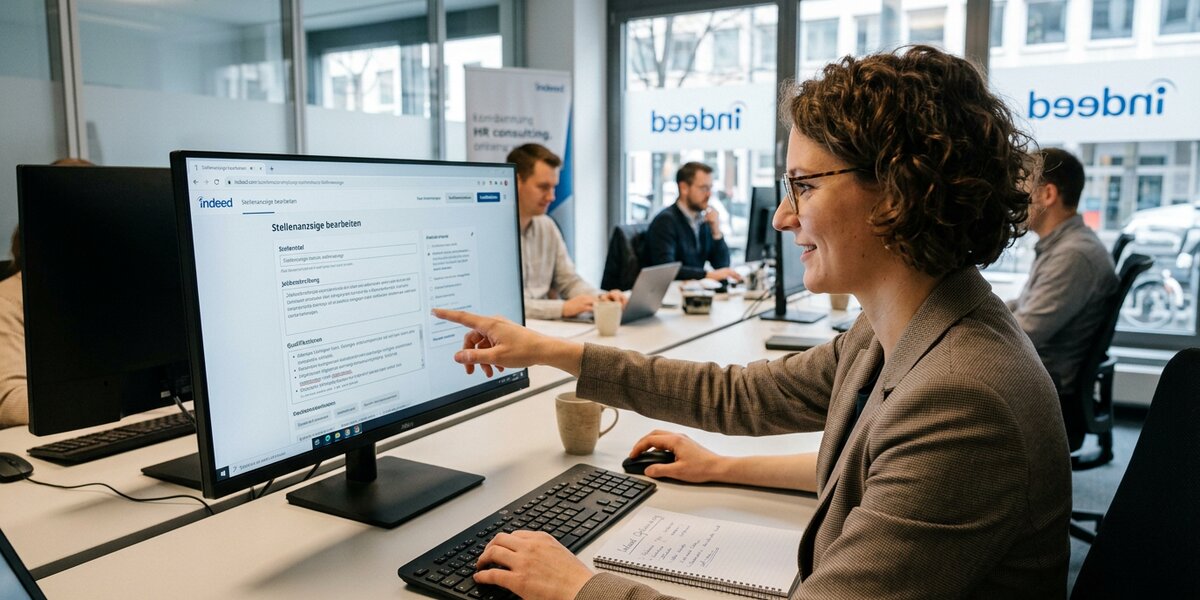
SME Strategy: How an Agency Makes a Difference
For medium-sized companies with small HR teams, implementing all optimization measures on their own is often a matter of capacity. This is exactly where professional support comes in. A holistic approach combining social media recruiting and targeted employer branding not only increases visibility as an employer but also optimizes the entire funnel—from the first touchpoint to the signing of the contract. An experienced recruiting agency uses data-driven analysis to identify where candidates are being lost in the process—and develops targeted measures that deliver measurable results.
Whether through data-driven HR marketing, precisely targeted Meta Ads, or building an authentic employer brand via LinkedIn marketing —it is the combination of channel strategy and process optimization that ensures more and better applications over the long term. Especially in competitive industries such as healthcare, skilled trades, IT, or logistics, this combination can provide the decisive edge in the war for talent.
- Small HR teams need professional support
- Combining Social Media Recruiting and Employer Branding
- Conduct data-driven analysis of the application funnel
- Make targeted use of Meta Ads and LinkedIn Marketing
- Build and maintain an authentic employer brand
- Gain a competitive advantage in highly competitive industries
Conclusion
An optimized candidate experience isn’t just a nice-to-have—it’s a strategic imperative for medium-sized companies in today’s job market. Companies that want to not only attract talent but also inspire it must consistently simplify the application process, make it transparent, and refine it based on data. HR managers at SMEs should start by walking through their own process from a candidate’s perspective—and prioritize eliminating the biggest pain points. By relying on the support of a specialized agency, companies not only save time but also improve the quality and quantity of applications needed for sustainable business growth.

Skilled Labor Shortage in SMEs: Finding, Retaining, and Attracting Employees

Optimize Your Job Posting: Attract More Applicants and Better Candidates
Meta Ads Recruiting: Job Postings, Targeting, and Social Recruiting
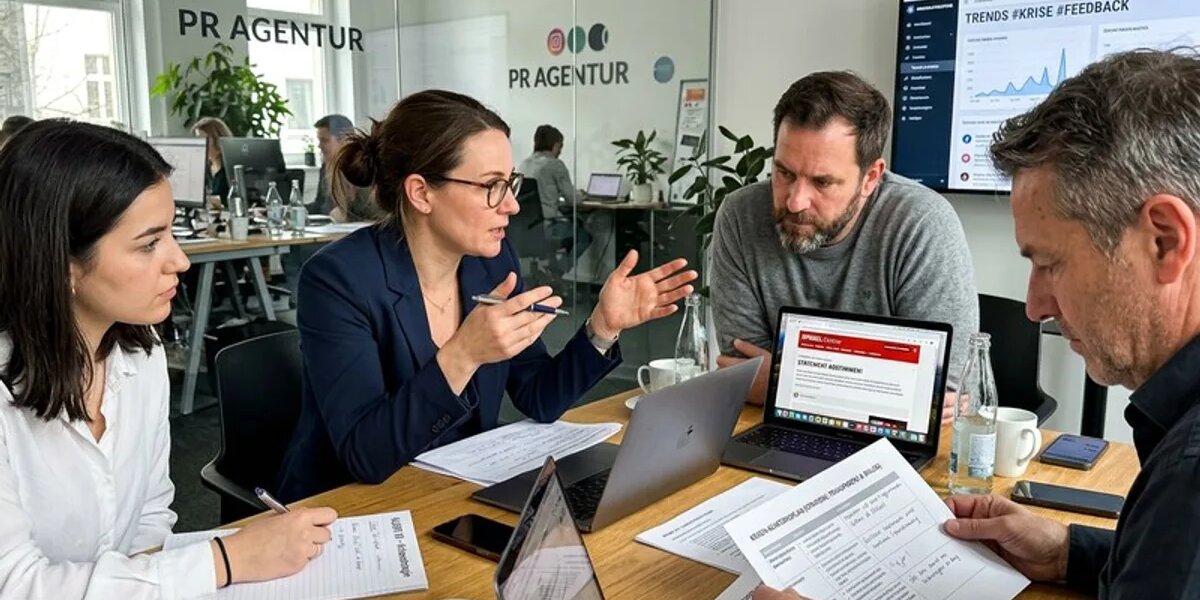
Employer Branding for SMEs: Employer Brand, Attracting and Retaining Employees
Employee Retention: SME Initiatives and Skilled Workers

LinkedIn Recruiting: Attracting Talent, Generating B2B Leads, and Driving Growth













 4.9 / 5.0