
PR Initiatives: Strategies, Formats, and Tools for Effective Public Relations
Public relations is the oldest tool of strategic communication—and at the same time one of the most frequently underestimated. Anyone who views PR efforts merely as a last-resort tool is missing out on one of the most effective tools for sustainable brand-building and expanding reach.
What are PR activities?
Here’s what it’s all about:
- PR Strategies Explained Briefly and Clearly
- Distinction from Related Concepts
- The foundation of every marketing strategy
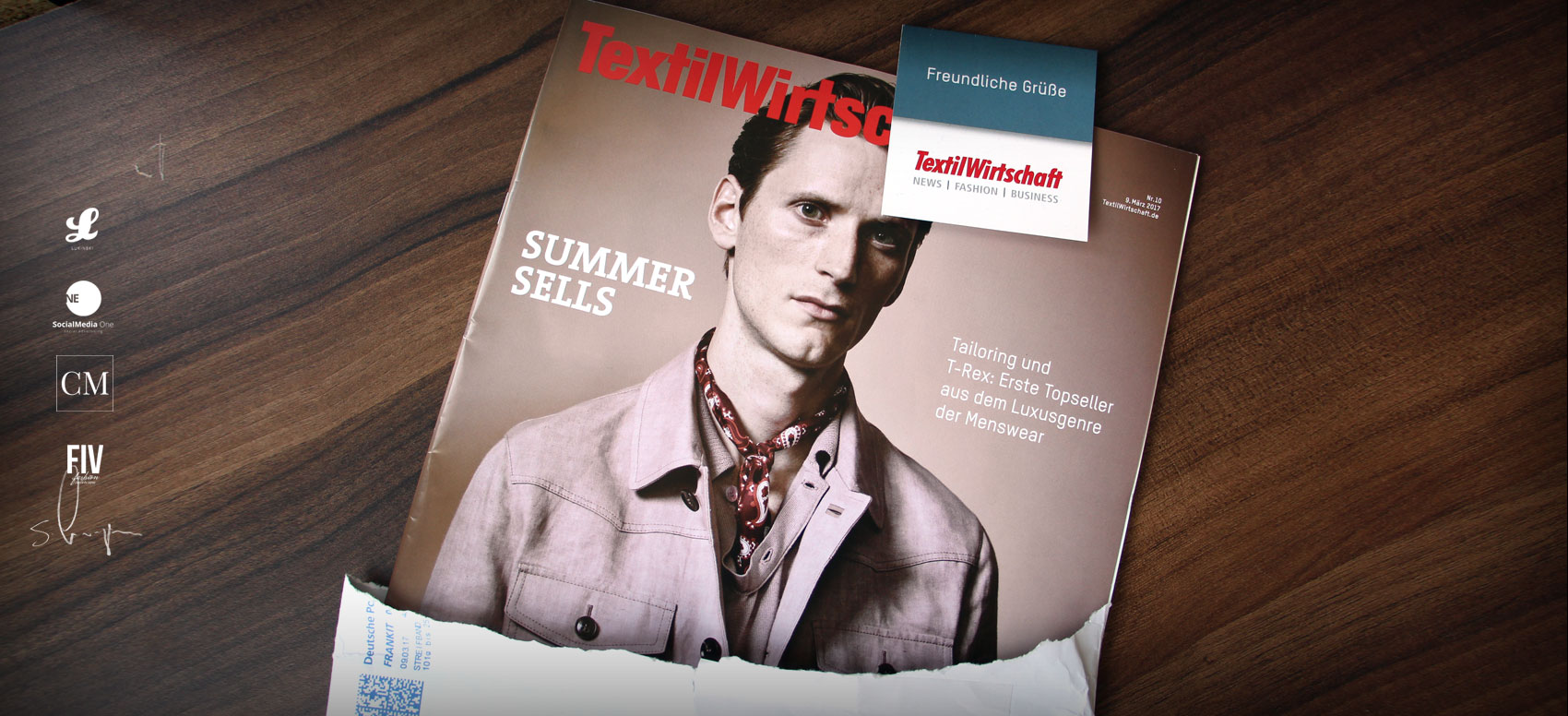
PR activities—short for public relations activities—refer to all efforts through which companies, organizations, or individuals seek to influence public opinion in their favor. Unlike advertising, which involves paid placements, PR aims for “earned coverage”: attention generated through relevance, credibility, and newsworthiness—not through a media budget. Press relations form the traditional foundation, but modern public relations encompasses far more than press releases and press conferences.
Core Principles of Public Relations
PR works on the principle of third-party credibility: An editorial team that reports on a company lends the message an authority that no advertising banner could ever achieve. The basic principle behind this is simple—people trust independent sources more than the company itself. Effective public relations is therefore based on three pillars: newsworthiness (the message must be relevant to journalists and readers), timing (the right message at the right time), and relationship building (long-term contacts with the media, influencers, and opinion leaders). Companies that understand these principles use PR not as a reactive tool, but as a proactive investment in their public image.
Distinctions: PR, Advertising, and Content Marketing
In practice, the lines between PR, advertising, and content marketing often blur—but conceptually, they can be clearly distinguished. Advertising is paid placement with complete control over the message and visual presentation. PR aims for unpaid editorial coverage, in which the company relinquishes control over the final piece. Content marketing lies somewhere in between: self-produced content that pursues PR goals but is published on the company’s own channels. For strategic planning, this means that PR efforts require more lead time and offer no guarantee of publication, but in return provide a level of credibility that paid channels cannot deliver. Those who coordinate the use of all three disciplines can fully leverage their communication potential.
| Category | Instrument | Target | Reach |
|---|---|---|---|
| Traditional PR | Press release, press conference | Generatingmedia coverage | Medium to high |
| Digital PR | Online press releases, blogger relations | Backlinks, Online Visibility | High |
| Influencer PR | Collaborations, Product Seeding | Authenticity, Reach | Very high |
| Crisis PR | Statements, Crisis Plan | Damage Control | Depending on the situation |
Implications for Brands and Their Communication Strategies
Keep in mind:
- PR efforts strengthen the brand and customer loyalty
- Direct impact on brand awareness and conversion
- Long-term development is always worthwhile
PR efforts form the strategic foundation of any successful brand management. While advertising sends messages, PR builds trust—and trust is the foundation of every purchasing decision. Especially in a media landscape where consumers are increasingly ignoring or actively blocking advertising, earned media is gaining strategic importance through PR efforts. For brands that prioritize authenticity, PR is the most direct path to credible public perception.
Facts and Figures on the Impact of PR
The data on the effectiveness of PR efforts is clear: According to a study by the Content Marketing Institute, earned media generates, on average, an ROI that is three to five times higher than that of comparable paid media investments. The PR value—measured as Advertising Value Equivalent (AVE)—of a single editorial article in a leading trade publication can easily reach ten times the cost of placing an ad on the same page. Added to this is the long-term effect: A published article remains visible online, gets shared, linked to, and found in search engines—whereas an ad banner disappears as soon as the budget runs out. Companies that systematically engage in PR report, in internal analyses, a 40 to 60 percent higher brand awareness compared to companies that invest solely in advertising, given a comparable total budget.
Strategic Importance in Brand Competition
In saturated markets where products and prices are virtually indistinguishable, reputation is the key differentiator. PR efforts are the most effective tool for systematically building this reputation. Companies with a strong PR presence are demonstrably viewed more favorably in crisis situations: The trust a brand has built up through years of credible communication acts as a buffer against reputational damage. Furthermore, consistent public relations work strengthens the employer brand—a factor that is becoming increasingly critical to business success in the competition for talent. Studies show that 75 percent of job applicants actively research a company’s media reputation before accepting a position.
Traditional PR Strategies in Detail
The press release is the oldest PR tool and remains relevant today, provided it is written in a newsworthy manner, sent at the right time, and addressed to the right distribution list. Press conferences are suitable for major announcements with visual appeal. Interviews—whether in print, on podcasts, or on TV—give leaders the opportunity to convey the brand’s perspective directly and establish a personal connection with the audience. Media relations—that is, the long-term cultivation of relationships with editorial teams and journalists—is the behind-the-scenes work that determines the success or failure of any press campaign.
An Overview of Digital PR Strategies
Online PR has not replaced traditional journalism, but rather expanded it. Digital press releases are not only sent to journalists, but also published on PR portals and amplified through social media. Blogger relations and collaborations with trade publications generate backlinks that strengthen the brand’s SEO value. Social media PR—using a brand’s own channels as direct communication channels—allows for unfiltered engagement with the target audience and is increasingly being used as a primary PR tool. UGC marketing and community building complement the digital PR portfolio as trust-building measures with high organic reach.
Strategic Use of Public Relations Initiatives
Here’s how it works:
- Clearly define your goals before you start
- Integrate PR activities strategically into the marketing mix
- Test, measure, and continuously optimize
Effective PR initiatives follow a clear strategic framework: goal definition (What is to be achieved—awareness, trust, crisis management?), target audience analysis (Who is to be reached—consumers, investors, journalists, political decision-makers?), selection of tools (Which measures align with the goal?), timing (When is the optimal time for publication?), and performance measurement (How is the impact measured?). KPIsfor PR initiatives include media clipping analysis (number and quality of articles), share of voice compared to competitors, sentiment analysis (positive/negative/neutral), backlink growth through online PR, and brand awareness measurement via panel data. The key difference from pure advertising: PR measures build long-term equity that cannot be measured in individual campaigns. Brands that consistently engage in effective PR benefit in times of crisis from a reserve of trust that no advertising campaign could ever buy. Full-service marketing agencies are therefore increasingly integrating PR as a mandatory component of their service offerings.
Step-by-Step: Developing a PR Strategy
A robust PR strategy doesn’t start with a press release, but with analysis. The first step is to assess the current situation: How is the brand currently perceived by the media and the public? The second step is to define goals—measurable, realistic, and time-bound. The third step is the target audience matrix: Who are the relevant stakeholders, what media do they consume, and what messages resonate with them? Building on this, the fourth step involves determining the mix of measures: Which PR formats (press releases, events, expert articles, social media campaigns) align with the objectives and target audience? The fifth step involves editorial planning with specific topics, deadlines, and responsibilities. Anyone who goes through this process in a structured manner will find that ad hoc PR can be replaced by strategic PR—with significantly better results.
Common Mistakes in PR Campaigns
The most common mistake in public relations is confusing an advertising message with a PR message: Journalists are not advertising space and reject press releases that sound like ad copy. Another common mistake is poor timing—a press release sent out on a Friday afternoon or during a major news story has little chance of getting noticed. Distribution lists that are too broad and lack personalization also regularly lead to rejection: Editors receive hundreds of press releases every day and respond only to those that are clearly tailored to their beat. Finally, many companies underestimate the need for follow-through: PR efforts that aren’t accompanied by regular follow-up and ongoing communication fizzle out—even if the initial effort was well planned.
Best Practice Examples of Effective PR Strategies
The most important thing:
- Leading brands prioritize consistency
- The courage to be different pays off
- Define measurable KPIs from the very beginning
Patagonia is considered a global role model for purpose-driven PR: The brand relies on consistent environmental PR—from lawsuits challenging government land-use decisions to the “Don’t Buy This Jacket” campaign—and has thereby cultivated a global PR presence that no media budget could replicate. Oatly built its brand in Europe almost exclusively through PR efforts: provocative posters, guerrilla marketing campaigns, and targeted influencer outreach generated earned media on a scale equivalent to a multi-million budget. Dove’s “Real Beauty” campaign launched in 2004 as a classic PR campaign with a socially relevant message and became the most-discussed marketing concept of the 2000s. Finally, Red Bull demonstrates how PR initiatives in the event sector can create brand associations—Stratos, the 2012 stratospheric jump, generated billions in earned coverage worldwide and permanently linked the brand to extreme sports culture.
Example: Purpose-Driven PR and Social Relevance
Patagonia and Dove demonstrate a PR principle that is often underestimated in practice: Brands that take a stand on socially relevant issues generate media coverage that goes far beyond what traditional product communication can achieve. In 2004, Dove surveyed over 3,000 women worldwide about their perceptions of beauty and published the results as a PR study—even before the first ad was launched. The study was covered by news outlets in over 50 countries and provided the campaign with a global platform without any paid media placements. The principle behind this is that anyone who produces genuine social data or sparks social debates creates news value on their own initiative. For small and medium-sized businesses, this principle can be scaled: an industry-relevant survey, a local sustainability report, or a high-profile commitment to the region can achieve similar PR effects on a smaller scale.
Example: Event PR and Immersive Brand Experiences
Red Bull’s 2012 stratospheric jump is the most frequently cited example of event PR on a global scale—but the principle is universally applicable. Event PR works because it transforms brand messages into memorable moments that are media-friendly and create an emotional connection. For a company, this doesn’t necessarily mean a budget in the millions: an exclusively curated industry conference, a high-profile world record attempt, an open house with an unusual concept, or a community event with news value can trigger similar PR mechanisms at the local or industry level. What matters most is media appeal: Does the event offer a clear visual narrative? Is there a story that can be told in a headline? Are journalists informed in advance and granted exclusive access? Those who answer “yes” to these questions have laid the foundation for effective event PR.
According to Nielsen, 92 percent of consumers trust editorial recommendations and earned media more than any other form of advertising—the strongest foundation for PR investments.
Conclusion: PR as an Ongoing Strategic Task
Conclusion:
- PR efforts are indispensable in modern marketing
- Think strategically, implement consistently
PR efforts are not a one-time investment, but rather an ongoing strategic endeavor. Companies that view press relations, digital PR, and media relations as an integral part of their brand strategy build up reputational capital over the years—capital that acts as a shield in times of crisis and generates reach without an additional media budget during periods of growth. The difference between advertising and PR is simple: Advertising tells people how good you are—PR shows them.

Media Coverage: Generating Earned Coverage and Optimizing Public Relations

Earned Media Coverage: PR Value, Reach, and Organic Distribution

PR Agency & Public Relations: Media Relations, Press Releases, and Editorial Contacts

Content Production for Fitness Studios: TikTok, Instagram and the Journey from Concept to Finished Video

Corporate Communication: Internal Communication, External Communication, and Brand Trust
Creative Teams in Advertising: Roles, Processes, and Creative Collaboration















 4.9 / 5.0