
Sentiment Analysis: Definition, Methods, and Applications in Marketing
Sentiment analysis determines whether mentions of a brand, product, or topic online are positive, negative, or neutral. Instead of simply counting how often a brand is mentioned, this method also assesses the sentiment behind those mentions—a crucial distinction for any form of social listening. Without this context, mere mention counts are meaningless, because ten thousand mentions could just as easily signify success as they could indicate significant reputational damage.
How Sentiment Analysis Works Technically
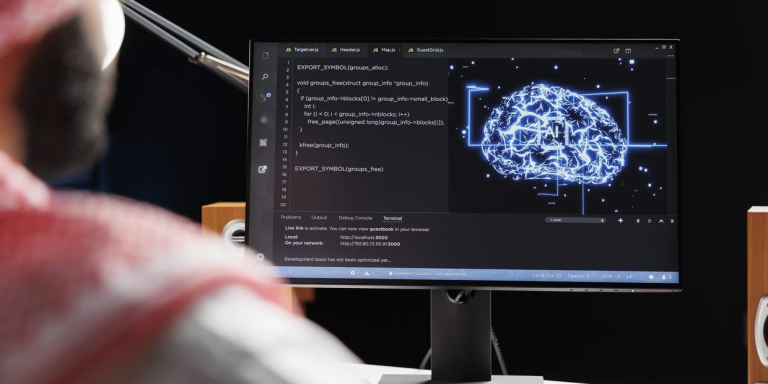
Modern tools automatically scan comments, posts, and reviews for keywords, sentence structure, and context to classify each mention into one of three categories: positive, negative, or neutral. Language models are also increasingly able to recognize irony, sarcasm, and industry-specific jargon—elements that simple keyword lists used to overlook.
Practical tip: When it comes to sensitive topics, automated assessments should always be reviewed by humans on a random basis—irony and regional expressions, in particular, still frequently lead to misjudgments in purely automated systems.
The greater a brand’s volume of mentions, the more important automation becomes: It’s practically impossible to analyze thousands of daily comments manually. In practice, the combination of automated pre-sorting and selective human review yields the most reliable results.
- Classify as positive, negative, or neutral
- Take Context and Irony into Account
- Automation for High Volumes
- Random human inspection
- Using Language Models for Contextual Understanding
- Take industry-specific jargon into account
Applications in Marketing and Public Relations
Sentiment analysis provides early warning signs when sentiment surrounding a brand begins to deteriorate—often days before it escalates into a visible crisis. Those who take advantage of this early warning can respond before negative comments gain significant momentum.
- Early Warning System for Reputational Risks
- Monitoring Sentiment Trends Over Time
- Respond Before the Situation Escalates
- Comparison of Campaigns
- Shorten Response Time in the Event of a Crisis
- Notify the relevant teams early on
- Define clear escalation levels
Sentiment Analysis for Competitive Comparisons
In addition to your own brand, the same method can also be applied to competitors as part of ongoing social media monitoring. If a competitor’s product receives significantly more positive reviews on the same channels, this provides concrete insights into which product features or communication points still need improvement.
- Compare competitors over the same time period
- Analyze Topic-Specific Sentiment
- Identifying Weaknesses in Your Own Offering
- Strengthen our competitive positioning
- Monitor trends over several quarters
Tools for Practical Implementation
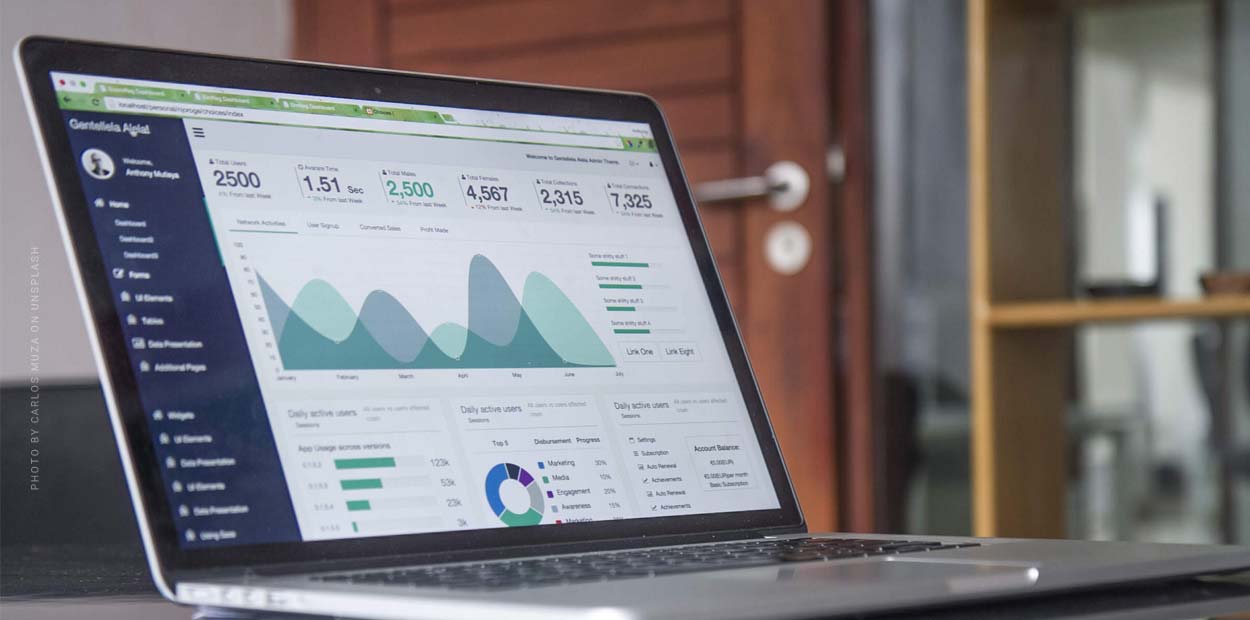
In practice, specialized social media monitoring tools handle the technical analysis and provide dashboards showing sentiment trends over days, weeks, or months. To get started, a tool with basic features is often sufficient before investing in more comprehensive enterprise solutions.
- Dashboards with Sentiment Trends
- Alerts for Sudden Spikes
- Export for Regular Reporting
- You can get started with the basic functions
Limitations of Automated Sentiment Analysis
Despite steady improvements, sentiment analysis remains prone to errors, especially when dealing with short comments lacking sufficient context. For serious reputation issues, therefore, a structured reputation management approach complements automated analysis with human judgment and a clear response strategy.
- Short comments are often misunderstood
- Context remains difficult to grasp
- Never the Sole Basis for Decision-Making
- Supplemented by human judgment
- Regular Calibration of the Models
Sentiment analysis makes sentiment measurable and thus provides a valuable complement to mere mention counts. Those who use it correctly combine automated analysis with human oversight, enabling them to respond more quickly and effectively to changes in public perception. In the long term, it pays to regularly compare the results with actual business metrics so that pure sentiment metrics can actually be used to inform sound decisions for marketing and communications.
Sentiment Analysis in Practice: Examples of Applications
Before a product launch, sentiment analysis helps gauge the reaction to teasers and announcements early on, before the actual campaign begins. Tools like Awario provide an initial automated assessment across multiple channels, eliminating the need for a team to read every mention individually.
During ongoing campaigns with their own hashtag, sentiment can also be analyzed using specialized tools such as Keyhole to identify early on whether a campaign is being received positively or is triggering unexpected criticism—allowing for a response while the campaign is still active.
- Gauge the mood ahead of the launch
- Automated tools save time
- Analyze Hashtag Campaigns in a Targeted Manner
- A response is still possible while the term is still in effect
Common Mistakes in Sentiment Analysis
A common mistake is placing blind trust in automated results, even though algorithms often misclassify irony and regional expressions in particular. Equally risky is analyzing sentiment in isolation without linking it to actual brand tracking, which leaves it unclear whether positive sentiment actually leads to greater willingness to buy.
Another mistake is monitoring too infrequently: If you only analyze the data once a quarter, you’ll miss short-term shifts in sentiment, which are most telling during the first week after a campaign.
- Don’t blindly trust automated results
- Link Sentiment to Brand Tracking
- Don’t conduct monitoring too infrequently
- Prioritize the first week after the campaign launch

Corporate Communication: Internal Communication, External Communication, and Brand Trust

PR Tools: Software for Monitoring, Analysis, and Public Relations

AVE: Advertising Value Equivalent Explained Simply

Reputation Building: Strategy and Measures for Sustainable Brand Trust

AI Sales Software: Comparison of Features, Providers, and ROI

Robots in Marketing: How Technology and Automation Are Transforming Brands












 4.9 / 5.0