
Viral Ads: What Successful Commercials Have in Common
Viral ads are the holy grail of modern video marketing. Rarely does an ad reach millions of people before spreading like wildfire across social media—but the brands that succeed in doing so reap a level of reach that no media budget in the world could ever afford. What’s behind this phenomenon, and how can the patterns of successful viral ads be applied to your own brand communication?
What Are Viral Ads? Definition and Classification
Here’s what it’s all about:
- Viral Ads Explained Briefly and Clearly
- Distinction from Related Concepts
- The foundation of every marketing strategy
A viral ad is a promotional video that spreads widely on social media through recommendations, shares, and organic reach—without paid distribution. The term is derived from the biological metaphor of a virus: content “infects” users emotionally and triggers the impulse to share it immediately. Platforms such as YouTube, TikTok, Instagram, and Facebook act as vectors in this process. Viral ads don’t happen by chance—they are the result of deliberate creative and psychological decisions that appeal to emotions, create moments of surprise, and generate social currency. A viral ad can generate millions of views in just a few days, achieving levels of brand awareness that traditional media campaigns would take years to attain.
- Ads Spread Organically and Virally
- Emotional content triggers spontaneous sharing
- Social networks act as conduits
- Surprise and psychological tricks are crucial
- Millions of views possible in just a few days
- An efficient alternative to traditional media campaigns
Core Principles of Viral Spread
Behind every viral ad are three basic psychological principles that drive sharing. First, emotional engagement: According to a study by the Wharton School, content that triggers strong emotions such as joy, emotion, surprise, or outrage is shared three times more often than neutral content. Second, social currency—users share content that enhances their own image within their network: to come across as funny, informed, or compassionate. Third, identity relevance: Ads that reflect universal life situations create the feeling that the content was “made just for me”—and it is precisely this feeling that is the strongest trigger for sharing.
Distinction: Viral vs. High Reach
Not every ad with a wide reach goes viral, and not every viral ad necessarily has a large media budget behind it. The key difference lies in the logic of dissemination: reach is bought, while viral spread is earned. An ad with 50 million paid impressions has not generated viral momentum if the share rate is below one percent. An ad with a production budget of 200,000 euros and zero media spend, however, that scales to 30 million views solely through recommendations, is a classic viral phenomenon. The metrics that mark the difference are the shares-to-views ratio, the comment rate, and the number of organic media mentions without a press release.
| Aspect | Description |
|---|---|
| Reach | Organic reach through shares, comments, and embeds, without paid reach |
| Emotional Core | Humor, surprise, emotion, or outrage as drivers of sharing |
| Platform Relevance | Optimized for YouTube, TikTok, Instagram Reels, and Facebook Video |
| Brand Integration | The brand is naturally integrated, not placed in an intrusive manner |

Why are viral ads so valuable to brands?
Keep in mind:
- Viral ads create a direct competitive advantage
- Measurable impact on revenue and reach
- Starting early pays off in the long run
The value of a viral ad lies not only in its reach, but in the quality of the attention it garners. People who actively share an ad are signaling to their social circle: “This is worth watching.” This recommendation carries a level of credibility that no paid medium can replicate. In addition, conversations about the brand emerge—in comment sections, chats, and across digital discourse platforms. For companies, this means not only greater reach but also a stronger emotional connection to the brand and a significant increase in brand-related search queries.
Facts and Figures on Viral Impact
The numbers behind viral ads are impressive: According to an analysis by Unruly Media, emotionally charged video ads trigger three times more purchase intent than rational product ads. Dove’s “Real Beauty Sketches” reached over 163 million views across 12 countries in 2013 and became the most-watched commercial of the year—with an earned media value that far exceeded its production budget. Brand search queries rose by 21 percent within 30 days of the launch. For brands, this means that a single viral moment can boost brand awareness by several percentage points—an effect that traditional TV campaigns can only sustain with a massive, ongoing budget.
Earned Media as a Multiplier
When a commercial goes viral, it generates earned media on a scale that cannot be replicated through paid advertising. Journalists report on it, bloggers analyze it, and influencers respond with their own videos. This snowball effect can result in a single commercial achieving the equivalent of several million euros in media exposure—with a comparatively small production budget.
Long-Term Brand Impact
Viral commercials remain etched in the cultural memory. Commercials like Volkswagen’s “The Force” film from 2011 or Dove’s “Real Beauty Sketches” are still cited as benchmarks years after their release. This longevity has a direct impact on brand equity: brands that have produced virally successful commercials benefit from sustained awareness and a positive brand image.
On our “Viral Marketing Campaigns” overview page, you’ll find a curated collection of over 15 best-practice examples that show how leading brands around the world have created viral moments.
How Do Viral Ads Come About? Strategies and Best Practices
Here’s how it works:
- Clearly Define Your Goals Before You Start
- Integrate viral spots strategically into the marketing mix
- Test, measure, and continuously optimize
There’s no guarantee that a video will go viral, but there are proven patterns that significantly increase the likelihood. The most important factor is emotional relevance: The ad must appeal to a universal emotion—joy, empathy, surprise, or even deliberate provocation. Added to this is the narrative structure: The best viral ads tell a complete story in just a few seconds, with a dramatic arc, a surprising ending, and a clear emotional message. Music plays an underestimated role—the right soundtrack can double the emotional impact. From a technical standpoint, optimizing for autoplay and “sound-off” viewing is essential, as many users initially watch videos without sound. Subtitles, visual impact, and a strong opening within the first three seconds are not optional but mandatory components of the viral format.
- Emotional relevance is a key success factor
- Tell a complete story in seconds
- Music significantly amplifies the emotional impact
- Optimizing for autoplay and muted viewing is essential
- A strong opening within the first three seconds
- Subtitles and visual impact are essential
Step-by-Step: Developing a Viral Commercial
The creative process doesn’t begin with the script, but with the core emotional question: What emotion should the commercial evoke in the viewer—and why would they want to share that emotion with others? Only once this question has been clearly answered does the storytelling follow. Step one: Define a universal emotion (joy, pride, nostalgia, empathy). Step two: Develop a concrete, human story around it—not an abstract brand message, but a real-life situation. Step three: Integrate the brand organically into the emotional climax, not the opening. Step four: Set the hook in the first three seconds—65 percent of viewers decide within this timeframe whether to keep watching. Step five: Optimize for sound-off, because over 85 percent of all videos on Facebook are watched without sound.
- Clarify the core emotional question before writing the script
- Define a universal emotion as the starting point
- Develop a concrete human story, not an abstract one
- Integrate the brand at the emotional climax
- Place the hook within the first three seconds
- Optimize videos without sound for platforms
- Motivate viewers to share their feelings with others
Common Mistakes in Viral Spot Campaigns
The most common mistake is placing too much emphasis on the product: Brands that design their ads primarily as sales videos fail because users don’t voluntarily share advertisements. Another classic mistake is a lack of emotional risk—safe, polished ads don’t generate a strong reaction and therefore aren’t shared. Third, many brands underestimate the importance of the first third of the video: If the story doesn’t hook viewers within the first five seconds, you’ll lose up to 70 percent of potential viewers on TikTok and Instagram Reels. Finally, a lack of platform adaptation is a common mistake—a TV commercial rarely works unedited on TikTok because viewing habits and formats are fundamentally different.
- Too Much Focus on Product Sales Leads to Failure
- Safe commercials lack emotional risk
- The first five seconds are crucial for grabbing attention
- 70 percent of viewers lost without a hook
- TV commercials cannot be transferred one-to-one to social media
- Platform-specific formats are essential for success

Examples of Successful Viral Ad Campaigns
The most important thing:
- Leading brands prioritize consistency
- The courage to be different pays off
- Define measurable KPIs from the very beginning
For years, Thai Life Insurance has consistently produced touching short films that have been shared millions of times—without explicitly showing a single insurance product. The concept: emotional stories about human kindness, subtly tied to the brand at the end. In 2010, Old Spice revolutionized the men’s grooming segment with “The Man Your Man Could Smell Like,” using surreal humor and simultaneously speaking directly to different target audiences. The video garnered more views in 24 hours than Barack Obama’s campaign video. Edeka’s 2015 Christmas ad “#heimkommen” sparked a social debate in Germany about loneliness in old age and was viewed over 50 million times. What all these ads have in common is that they prioritized humanity over the product and emotion over the sales pitch.
- Thai Life: Emotional stories, subtle brand integration.
- Old Spice 2010: Surreal humor, millions of views.
- Edeka Christmas ad: Social debate about loneliness in old age.
- What they have in common: prioritizing humanity over product sales.
- Success through emotional, non-commercial messages.
- Viral potential through authentic human stories.
Case Study: Emotional Storytelling Without a Product Focus
Thai Life Insurance is the prime global example of how viral marketing can succeed without explicitly promoting a product. Their 2014 commercial, “Unsung Hero,” shows a man performing small, selfless acts every day—he gives money to a poor woman, tends to an overgrown plant, and feeds a dog. No product name, no promises of benefits, no contract details. At the end, the logo simply appears with the slogan “Believes in Good.” The result: 31 million views in the first five days, coverage in international media, and a measurable increase in brand awareness throughout Southeast Asia. The takeaway for marketers: Sometimes the most effective commercial is one that doesn’t look like an ad at all.
- Thai Life Insurance: Viral Marketing Without Product Promotion
- Commercial shows a man’s selfless everyday gestures
- No product details, just the logo and slogan
- Reached 31 million views in five days
- Increased international media coverage and brand awareness
- Effective advertising doesn’t look like advertising
Case Study: Humor as a Viral Catalyst
In 2010, Old Spice proved that humor can serve as a catalyst for a complete brand revitalization. The brand was considered outdated and old-fashioned—the viral campaign featuring Isaiah Mustafa deliberately appealed to both genders at the same time: women as the actual decision-makers when it comes to purchasing men’s grooming products, and men as the target audience for product use. The commercial broke all the conventions of category marketing and used absurd, self-deprecating humor to grab attention. In the first 36 hours after the Super Bowl launch, online sales rose by 107 percent, and within three months, in-store sales increased by 55 percent. Most importantly: Old Spice didn’t create a product video, but a character—and characters get shared because they become part of pop culture.
- Old Spice Used Humor to Revitalize Its Brand
- The campaign appealed to both women and men
- Absurd self-deprecating humor broke category conventions
- Online sales rose 107 percent
- In-store sales grew by 55 percent
- A character, rather than a product video, created pop culture
“Content that is emotionally charged is three times more likely to be shared than purely informational content.” — Nielsen Consumer Neuroscience Report
Conclusion: Viral Ads as a Strategic Marketing Tool
Conclusion:
- Viral ads are indispensable in modern marketing
- Think strategically, implement consistently
Viral ads aren’t a game of chance—they’re the result of a well-thought-out creative strategy. Brands that consistently invest in emotional storytelling, understand the mechanisms of social sharing, and are willing to make bold creative decisions lay the foundation for virally successful content. The most important step: having the courage to evoke genuine emotion and avoiding excessive product focus. Anyone producing their next commercial should first ask themselves: Would I send this ad to a friend? If the answer is yes, you’re on the right track.

Marketing Twist: How Surprising Twists Make Campaigns Go Viral

Momentum: When Campaigns Take on a Life of Their Own
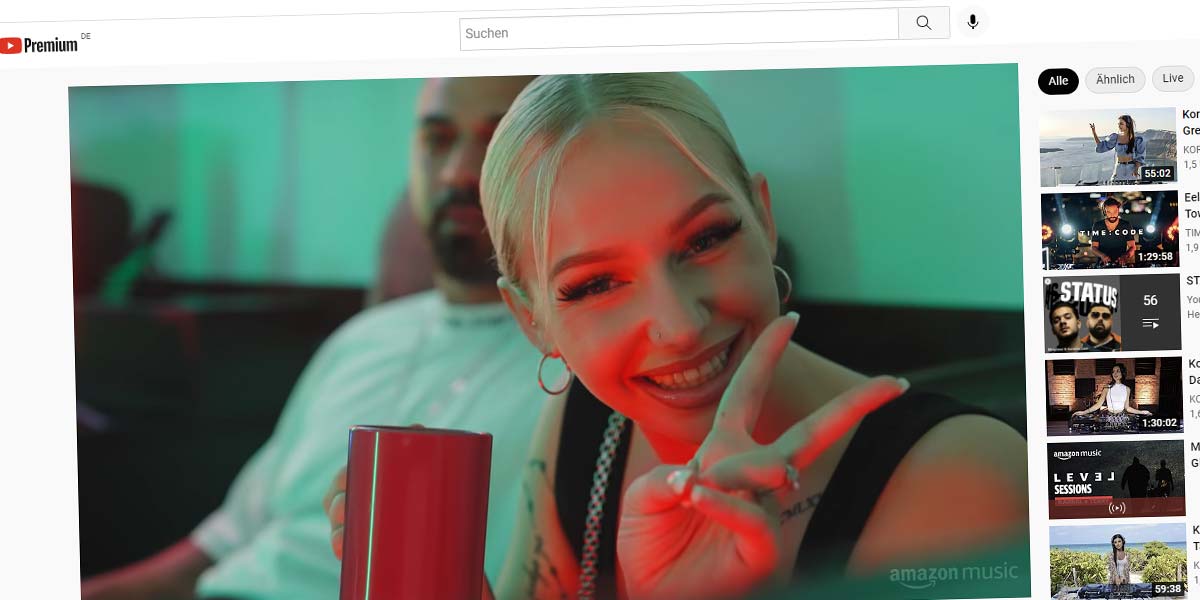
Amazon Music Doc: Now online!!! Multi Channel Marketing

Amazon x Youtube Documentaries: Karbal x Terry Joe - Bars

Diversity in advertising: Give the community what it wants! Example Zalando, Buffalo + Playboy

Case Studies: Structure, Social Proof, and Use in Marketing















 4.9 / 5.0