Horses in Marketing: Equestrian Sports, Equestrian Brands, and Horses as Brand Symbols
The horse is one of humanity’s oldest brand symbols—and one of the most powerful to this day. From Hermès to Ferrari, from Ralph Lauren to Rolex: horses convey elegance, power, and exclusivity in a way that no algorithm could ever have devised. Horse-based marketing is emotional marketing in its purest form.
Definition and Classification

Here’s what it’s all about:
- Classifying horses in a marketing context
- Understanding the term, its origin, and its meaning
- A foundation for strategic decisions
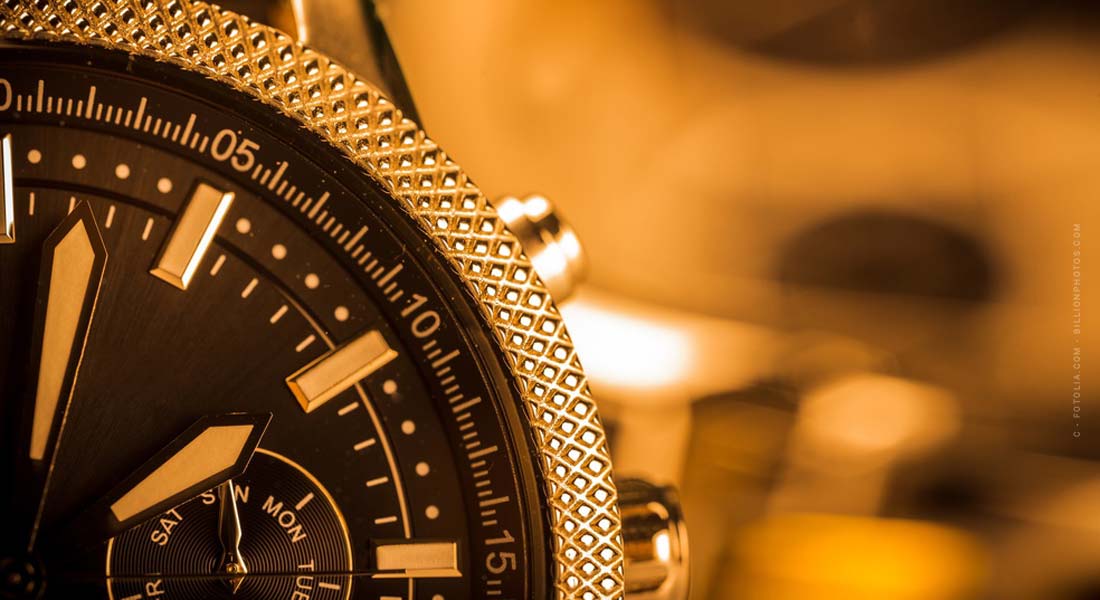
Horse marketing refers to the strategic use of horses, equestrian sports, and the equestrian lifestyle as a marketing tool. The spectrum is broad: it ranges from the horse as an iconic brand symbol (the Hermès carriage, the Ferrari horse) toequestrian sports sponsorship (Rolex at the CHIO Aachen) to specific marketing strategies for equestrian equipment brands and riding facilities. The equestrian world is a niche market with a high-income audience and exceptionally strong community loyalty. There are an estimated 60 million riders worldwide, including around 1.3 million in Germany. The global market for equestrian equipment is estimated at over 6 billion euros—and is on the rise due to growing interest in this lifestyle.
Key Terms: Equestrian, Horse Marketing, and Equestrian Branding
The term “equestrian” is derived from the Latin “equus” (horse) and, in a marketing context, refers to everything associated with horses, equestrian sports, and the associated lifestyle. Equestrian marketing encompasses three levels: first, the symbolic use of the horse as a brand emblem without a direct connection to equestrian sports (Ferrari, Porsche); second, the targeted sponsorship of equestrian events to reach specific target audiences (Rolex, Longines), and third, the operational marketing of brands that are directly active in the equestrian market (Eskadron, Pikeur, HKM). The boundaries are fluid—a luxury watch displayed at a Grand Prix event simultaneously serves as brand symbolism and target audience sponsorship. The key insight is this: The horse is never merely decorative, but always a symbol of meaning.
Definition: Who Uses Horse Marketing and Why
Equestrian marketing can be divided into four categories that differ significantly in terms of their objectives and target audiences. Luxury brands use horses to communicate heritage and signal prestige—here, the focus is not on equestrian sports, but on cultural depth. Sports sponsors, such as watch or financial brands, seek access to a wealthy, hard-to-reach audience. Specialized equestrian brands communicate with an insider community where authenticity is paramount. Lifestyle brands like Barbour or Aigle use the equestrian aesthetic as a stylistic code without any direct connection to equestrian sports. Each category requires a different strategy—those who blur the lines risk losing credibility in all four areas.
| Field of Application | Brand Category | Communication Goal | Example |
|---|---|---|---|
| Symbolism | Luxury, Fashion | Prestige, Heritage | Hermès, Ralph Lauren |
| Sponsorship | Watches, Finance | Target Audience Affinity | Rolex, Longines |
| Product Marketing | Equestrian Brands | CommunityEngagement | Eskadron, HKM |
| Lifestyle | Fashion, Outdoor | Aspirational Targeting | Barbour, Aigle |
Implications for Brands
Keep in mind:
- Horses in marketing strengthen the brand and customer loyalty
- Direct impact on brand awareness and conversion
- Long-term development is always worthwhile
For centuries, the horse has conveyed culturally encoded meanings: nobility, freedom, strength, and elegance. Brands that embrace this symbolism benefit from an emotional depth that surpasses rational messages. At the same time, equestrian sports open doors to a target audience that is difficult to reach through traditional media mixes: affluent, active, loyal consumers with a strong affinity for brands and above-average spending power. This makes equine marketing a strategically relevant channel for luxury and premium brands.
The Horse as a Symbol of Luxury
Hermès began as a saddlery and continues to carry its equestrian DNA in every collection to this day. The famous Carré scarf, the Birkin bags, and the carriage silhouette in the logo all convey heritage and craftsmanship. Ralph Lauren has democratized the horse through the Polo brand—from the polo jacket to the perfume, the equestrian aesthetic is ubiquitous and always aspirational. Ferrari, on the other hand, uses the Cavallino Rampante—the prancing horse—as a symbol of unbridled engine power: the transfer of animal energy into mechanical power.
Facts and Figures: Who Are Equestrian Consumers?
From a marketer’s perspective, the equestrian target audience is exceptionally attractive. Studies by the German Equestrian Federation (FN) show that horse owners have an average monthly net income of over 2,500 euros—well above the German average. The annual expenditure per active female rider on equipment, stable rent, competition entries, and clothing ranges from 8,000 to 15,000 euros. Over 70 percent of German riders are women, between the ages of 25 and 55, and are among the most loyal brand buyers in their segment. On social media, equestrian content on Instagram achieves average engagement rates of 4 to 6 percent—two to three times higher than in the general lifestyle segment. These figures explain why premium brands are targeting the equestrian niche so intensively.
Community Marketing in the Equestrian Community
The equestrian community is one of the most loyal niche communities out there. Brands perceived as authentic in the equestrian world benefit from word-of-mouth effects that digital marketing can hardly replicate. Recommendations on stable communities, YouTube channels run by riders, and Instagram accounts focused on horse care reach an engaged audience with a very high intent to purchase. Brands like Eskadron and Kentucky Horsewear have built loyal fan basesthis way, and their new collections sell out every time.
Strategic Deployment
Here’s how it works:
- Clearly Define Your Goals Before You Start
- Integrate horses strategically into the marketing mix
- Test, measure, and continuously optimize
For brands outside the equestrian sector, equestrian sponsorship offers a particularly elegant way to connect with a wealthy target audience. Events such as the CHIO Aachen, the Global Champions Tour, or the Olympic equestrian competitions attract precisely those consumers who purchase luxury watches, premium vehicles, and high-end financial products. Rolex has cultivated this connection for decades and is now considered a natural part of the equestrian world—a brand association that goes far beyond traditional sponsorship. For equestrian brands themselves, the key iscommunity authenticity: Those who are present at tournaments, sponsor real riders, and produce content that showcases everyday life with horses build trust. Influencer collaborations with equestrian YouTubers and Instagram profiles achieve extraordinary engagement rates within this community—far above the industry average for lifestyle content.
Step-by-Step: How to Set Up Equestrian Sponsorship the Right Way
Any brand looking to enter the equestrian world should take a structured approach. First: Assess the fit with your target audience—does your core target audience align with equestrian event attendees? Premium products with a shopping cart value of 500 euros or more are a good fit; mass-market products are not. Second: Choose the event level—from local county tournaments (affordable, regional) to international Grand Prix events (expensive, international reach). Third: Develop an engagement strategy—a logo on the perimeter fence alone has little impact; only hospitality packages, product experience zones, and social media integration generate a real return. Fourth: Plan for the long term—equestrian communities build trust slowly; one-year deals have little impact. Fifth: Ensure authenticity—spokespersons and testimonials should come from the world of equestrian sports or at least have a credible connection to it.
Practical Tips: Content Strategy for Equestrian Brands
Equestrian brands looking to grow on social media can benefit from a few tried-and-true content formats. Behind-the-scenes content from everyday life at the stable provides authentic insights and is particularly valued by the community—statistics show that such formats achieve save rates up to three times higher than product photos alone. Tutorials on horse care, equipment comparisons, and travel reports from competitions perform strongly because they offer real added value. User-generated content—that is, customers showcasing the brand in their everyday stable life—is particularly valuable for equestrian brands: The community follows real riders, not advertising models. Reels and short video clips featuring horses in motion generate above-average reach on Instagram and TikTok because the algorithm prioritizes emotional and visual content.
Common Mistakes in Horse Marketing
The biggest mistake is a lack of authenticity: If a brand uses horses merely as decoration without establishing a genuine connection to the community, this is immediately recognized and condemned within the equestrian community. Another classic mistake is underestimating insider knowledge—misrepresented equipment, unnatural riding positions in advertising images, or factually incorrect statements about equestrian sports immediately generate negative reactions. Third, many brands fail because of a short-term perspective: equestrian sponsorship takes several seasons to have an impact. Those who pull out after a year have often invested without ever reaping the rewards. Finally, ignoring the dominance of women in the scene is a strategic mistake—over 70 percent of riders are women, and campaigns that don’t reflect this miss their target audience.
Best Practice Examples
The most important thing:
- Leading brands prioritize consistency
- The courage to be different pays off
- Define measurable KPIs from the very beginning
Hermès is the undisputed benchmark for equestrian brand-building: The company hosts its own horse shows (Saut Hermès in Paris), produces equestrian apparel, and keeps the equestrian DNA alive in every product line—without ever veering into kitsch. With its “Polo” sub-label strategy, Ralph Lauren has built an entire lifestyle universe that extends far beyond actual equestrian sports and makes the equestrian lifestyle aspirational for the broader middle class. Longines, the Swiss watchmaker, is the official timekeeper of the FEI (Fédération Équestre Internationale) and co-presents World Championships and Grand Prix events—a partnership that combines precision, tradition, and sport. On the brand side of the equestrian sector, Kentucky Horsewear has demonstrated how modern design and consistent Instagram marketing can build a global community: The Belgian brand now sells its products in over 40 countries.
Hermès: The Horse as the Company’s DNA
Hermès is the only luxury group in the world where the horse was not added as a marketing element, but rather forms the very foundation of the company. Founded in 1837 as a saddlery, Hermès has never suppressed its equestrian heritage but has consistently woven it into its corporate identity. This is evident in the annual “Hermès Équitation” collection, in handmade riding boots priced at over 2,000 euros, in the Saut Hermès—an international show jumping tournament held in the heart of Paris—and in the iconic silk scarves featuring equestrian motifs. The result: Within the equestrian community, Hermès is not just another external sponsor brand, but a deeply trusted institution. This trust extends to all of the company’s product categories, from handbags to perfumes—a kind of transfer of authenticity that can only be forged through decades of genuine connection.
Kentucky Horsewear: How a Niche Brand Scaled Globally
Kentucky Horsewear, based in Belgium, is the prime example of equestrian brand-building in the digital age. The brand launched without traditional advertising and, from the very beginning, relied on a consistent Instagram strategy featuring high-quality imagery, authentic riding communities, and early collaborations with micro-influencers. Today, Kentucky Horsewear has over 200,000 Instagram followers, sells in more than 40 countries, and is considered the benchmark for modern equestrian design. The key was a combination of technical product quality (patented padding for horse blankets), aesthetic design in trendy color palettes, and community-building through genuine tournament presence and rider testimonials. Kentucky demonstrates that by building trust in the equestrian niche, it’s possible to achieve global reach without traditional media spending.
Equestrian sports are the second-largest sport in Germany in terms of membership, after soccer—the German Equestrian Federation (FN) has over 600,000 members and oversees approximately 7,000 clubs.
Conclusion
- Horses in marketing are indispensable in modern marketing
- Think strategically, implement consistently
Equestrian marketing is far more than a niche strategy for sellers of equestrian gear. The horse is a universal brand symbol with emotional depth, used by luxury brands as well as lifestyle brands and sports sponsors. For brands seeking to reach a wealthy, loyal, and hard-to-reach target audience, the equestrian world is an underrated premium channel. Authenticity is always key: equestrian communities are discerning and immediately recognize staged presentations lacking substance. Those who build genuine connections are rewarded with extraordinary loyalty.

Case Studies: Structure, Social Proof, and Use in Marketing

McDonald's Soccer Cups: Collectible Campaign, Schweinsteiger, and Samuel Jackson Under the Marketing Microscope
Fast Food Marketing: Strategies, Advertising, and the Secrets to Success of Major Chains
QSR: Quick-Service Restaurant Marketing for Fast-Food Chains

Beer Marketing: Strategy, Target Audiences, and the Best Beer Brand Campaigns
A Comeback in Marketing: How Brands Successfully Reinvent Themselves














 4.9 / 5.0