B2B Lead Generation: More Qualified Leads
Qualified B2B leads are the foundation of any sustainable business growth—and at the same time, the biggest challenge for marketing managers and executives. If you can’t tell the difference between a genuine prospect and a curious visitor, you’ll waste both time and money. With the right B2B lead generation strategies, you can systematically fill your pipeline with inquiries that actually lead to closed deals.
Why Traditional Lead Generation Strategies Are No Longer Enough in B2B
The B2B buying process has changed fundamentally in recent years. Decision-makers conduct their own research, compare providers, and only reach out to you once they have already made 60–70% of their purchasing decision. If you’re not visible during this early phase, you’ll lose the lead before an initial conversation even takes place.
The Difference Between Quantity and Quality
Many companies focus their lead generation efforts on volume rather than relevance. The result: hundreds of leads, but hardly any closed deals. Qualified B2B leads are characterized by four key factors: decision-making authority, a specific need, an appropriate timeframe, and a suitable budget.
LinkedIn as the Primary Channel for B2B Leads
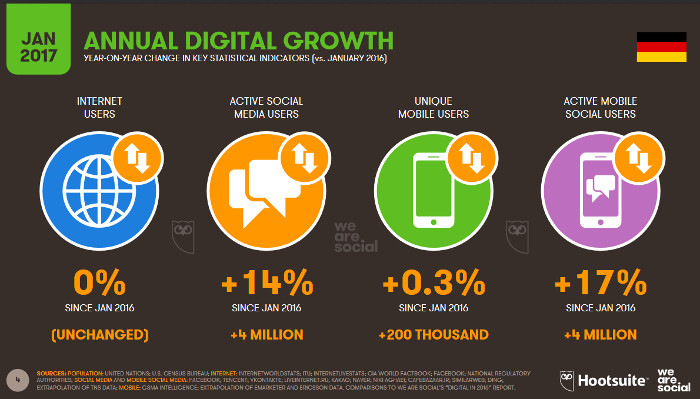
No other channel reaches B2B decision-makers as precisely as LinkedIn. With over 21 million users in Germany alone and detailed targeting options based on company size, job title, and industry, LinkedIn is the most effective tool for generating qualified leads. Learn more in our article on LinkedIn marketing strategies for businesses.
An Overview of the Most Effective B2B Lead Generation Strategies
Content Marketing as a Way to Build Trust
In B2B, no one makes a purchase after the first contact. Content marketing accelerates the decision-making process by consistently demonstrating expertise and building trust—before the prospect even speaks with your sales team.
Those who share knowledge gain trust. Those who have trust gain customers. At its core, B2B lead generation is trust-based marketing—and content is the currency.
Email Marketing and Marketing Automation
With a well-designed email nurturing process, you can guide prospects through their buyer’s journey—automatically, personally, and at the right time. Learn more in our guide to email marketing and newsletter automation.
Performance Marketing for Direct Lead Generation
While organic growth takes time, performance marketing delivers immediate results. Google Ads, LinkedIn Ads, and Meta Ads can be specifically targeted at decision-makers. For details on implementation, see our article on performance marketing and ROAS strategy.


B2B Lead Generation: A Comparison of Channels at a Glance
| Channel | Lead Quality | Speed | Cost per Lead | Best Use Case |
|---|---|---|---|---|
| LinkedIn Ads | Very high | Fast | High | Lead generation forms, sponsored content |
| Google Ads (Search) | High | Very fast | Medium–high | Capture search queries from users ready to buy |
| Content Marketing / SEO | Medium–high | Slow | Low | Long-term trust building |
| Email Automation | High | Medium | Low | Lead Nurturing, Reactivation |
| Meta Ads (Facebook/Instagram) | Medium | Fast | Low–Medium | Reach, Retargeting, Brand Awareness |
| Webinars / Events | Very high | Medium | Medium | Reach decision-makers directly |

Checklist: How to Qualify Leads Systematically
- Company size and industry: Does the lead match your ideal customer profile (ICP)?
- Decision-maker identified: Are you speaking with someone who approves the budget?
- Specific reason: Is there a current problem, project, or goal?
- Timeframe defined: Is the prospect planning to make a decision within the next 30–90 days?
- Budget available: Has at least an approximate investment range been mentioned?
- Competitive landscape: Are other providers being evaluated at the same time?
- Previous interactions: What content has the lead consumed (lead scoring)?
- Next step agreed upon: Is there a specific follow-up or an appointment?
Lead Scoring: Not Every Lead Is Equal
Modern lead scoring evaluates leads based on two dimensions: who they are (job title, industry, company size) and how they behave (website visits, email opens, downloads). Retargeting campaigns on LinkedIn, Meta, or Google Display show these pre-qualified prospects targeted offers. The combination of social media conversion optimization and retargeting significantly lowers the cost per lead while improving the quality of inquiries.
Related videos on this topic
Recommended Video: Search YouTube for ” B2B lead generation LinkedIn strategy ” — practical explanations of targeting, lead generation forms, and conversion optimization in the B2B sector.
Related Topic: Social Media for Employer Branding and Recruiting
Companies that already use social media for lead generation can leverage those same channels specifically for employer branding and talent acquisition. Building a strong employer brand on LinkedIn, Instagram, and Facebook reduces recruiting costs and shortens the time to hire.
Conclusion
Successful B2B lead generation isn’t a matter of chance—it’s the result of a clearly structured strategy that combines content, paid media, marketing automation, and consistent lead scoring. Companies that systematically combine these elements not only generate more inquiries—but, more importantly, the right ones. If you want to build a sustainable lead pipeline and reliably increase qualified inquiries, Social Media One supports you with tailored strategies and measurable results.