
Influencers in Marketing: How Brands Use Influencers to Expand Their Reach
A single message that reaches the right people at the right time—and suddenly, an entire network is talking about it. That is precisely the magic of the influencer principle in marketing: It’s not the sheer number of touchpoints that matters, but the quality of the influencers. Those who strategically deploy influencers can achieve significantly greater impact with a smaller media budget.
Definition: What is a multiplier in marketing?

Here’s what it’s all about:
- The Marketing Multiplier Explained Simply and Clearly
- Distinction from Related Concepts
- The foundation of every marketing strategy
An influencer is a person, channel, or system that not only receives a message but also actively disseminates it—thereby multiplying the original reach. In a marketing context, the term refers to all actors who act as intermediaries between a brand and its target audience and, through their credibility, reach, or network, generate a disproportionately strong amplifying effect. The key difference from traditional advertising channels is that influencers act on their own initiative or out of genuine conviction—which makes their messages more authentic and thus more effective. In the digital age, influencers can be individuals, but they can also be algorithms, search engines, or viral content formats.
| Aspect | Description |
|---|---|
| Core Definition | A person or channel that actively shares messages and exponentially increases reach |
| Principle of Operation | 1 message → n forwarders → n² final recipients (exponential effect) |
| Trust Factor | Influencers are highly regarded in their communities—their message comes across as a personal recommendation |
| Distinction from Advertising | No paid placement (or hybrid form); distribution is based on relevance and trust |
Core Principles of the Multiplier Effect
The basic principle is simple, but its implications are far-reaching: Anyone who shares a message is, at that moment, a broadcaster. The more broadcasters a brand engages, the more exponentially its reach grows. This isn’t just about digital networks—the principle works in the analog world as well: A doctor who recommends a medication, a tax advisor who praises a software program, or a parent who shares a toy with the daycare group are classic multipliers. The connecting element is always social credibility: The message being passed on carries weight because the sender is trusted. Brands that understand this principle invest not in volume, but in the quality of their messengers.
Distinction: Multiplier, Opinion Leader, and Gatekeeper
In communication studies, related terms are often used interchangeably—but it’s worth drawing a clear distinction. An opinion leader is a person whose judgment carries particular weight within a group; they do not necessarily have a wide reach, but they are exceptionally persuasive within their immediate circle. A gatekeeper, on the other hand, controls the flow of information—such as an editor who decides which press release gets published. The multiplier combines both roles: they select and disseminate information. It is crucial for brands to understand all three types, because only by reaching the right gatekeepers can they reach the opinion leaders—and, through them, ultimately the mass multipliers.
Implications for Brands: Why Influencers Are Crucial
Remember:
- A multiplier effect in marketing creates a direct competitive advantage
- Measurable impact on revenue and reach
- Starting early pays off in the long run
At a time when consumers are bombarded with thousands of advertising messages every day, attention spans for traditional ads are steadily declining. Ad-blocker rates are rising, and organic reach on social media platforms is shrinking. Brands that rely exclusively on paid reach are facing structural headwinds. Influencers break through this dilemma because their recommendations are perceived as trustworthy—they aren’t advertisements, but social proof. Studies show that recommendations from friends, colleagues, or trusted experts achieve conversion rates up to ten times higher than traditional display advertising.
The multiplier effect: 1 becomes 1,000
The multiplier effect describes the phenomenon in which a single, strategically placed message achieves exponential reach through word of mouth. An influencer with 50,000 followers who shares a post doesn’t just reach their own community—they trigger a cascade in which fans, in turn, share, comment, and forward the content. Three to four such chain reactions can turn a single post into a viral post that organically reaches millions of people.
Facts & Figures: What Research Shows
The effectiveness of word-of-mouth is not just a perception but is well supported by empirical evidence. The McKinsey Global Institute estimates that word-of-mouth marketing plays a role in 20 to 50 percent of all purchasing decisions —across all industries. A Nielsen study shows that 83 percent of respondents rate recommendations from acquaintances as the most trustworthy source of information, far ahead of television or online advertising. For B2B brands, the figure is even more impressive: According to Gartner, 77 percent of all B2B buyers conduct research based on peer recommendations before contacting a sales representative. These figures make it clear: influencers are not just a “nice-to-have,” but a structural driver of growth.
Strategic Importance in the Modern Marketing Mix
Influencer marketing is not an isolated tactic, but a strategic lever that influences the entire funnel. In the upper funnel, influencers and the media generate awareness that no paid advertising budget can fully replicate. In the middle of the funnel, expert recommendations and community discussions provide the persuasive power that brands themselves cannot credibly deliver. In the lower funnel, customer reviews and personal recommendations determine the actual purchase. Brands that systematically leverage influencers across all phases significantly reduce their cost per acquisition—while simultaneously increasing customer lifetime value, because customers won through trust are more loyal and more likely to recommend the brand to others.
Difference: Multiplier vs. Influencer
The term “influencer” is often used interchangeably with “multiplier”—but there is a significant difference. “Influencer” is a job title for people who build a commercial following on social media platforms and secure advertising deals. An “multiplier,” on the other hand, is a conceptual term: anyone who spreads a message can become a multiplier—from a satisfied customer to a trade journalist to a company’s own employee. Influencers are thus a subset of multipliers, but by no means the only one. It is crucial for brands to understand that the most valuable multipliers are often not the most obvious ones.
Types of Influencers: Who Amplifies Your Message?
In a nutshell:
- Using Multipliers in Marketing Strategically and Purposefully
- Always keep the target audience and context in mind
- Continuously test and improve
Not all influencers work the same way. Brands that strategically collaborate with different types of influencers create a robust ecosystem of word-of-mouth recommendations. An overview of the key categories: Influencers provide reach and content expertise; journalists and specialized editorial teams lend credibility through earned media; experts (doctors, lawyers, consultants) appeal to niche communities with a high propensity to buy, corporate influencers leverage employees’ personal networks, and the company’s own customers, as brand ambassadors, constitute the most authentic category of all. Added to this are digital multipliers such as search engine algorithms and social media platforms themselves.
Micro vs. Macro Multipliers: Making the Right Choice
One of the most common strategic decisions in influencer marketing is the question: reach or relevance? Macro-influencers—such as influencers with over 500,000 followers or leading national media outlets—offer maximum visibility, but often have lower engagement rates and a less targeted audience. Micro-influencers with 5,000 to 50,000 followers or local niche publications, on the other hand, achieve an average of 60 percent more engagement, according to studies by Markerly, and appeal to highly specific target audiences. For many brands, the combination is ideal: macro influencers for awareness spikes, micro influencers for high-conversion niche activation. The decision should always be data-driven—measured by real KPIs such as click-through rate, saves, and conversions, not by follower counts alone.
Digital Amplifiers: Algorithms and Platforms as Amplifiers
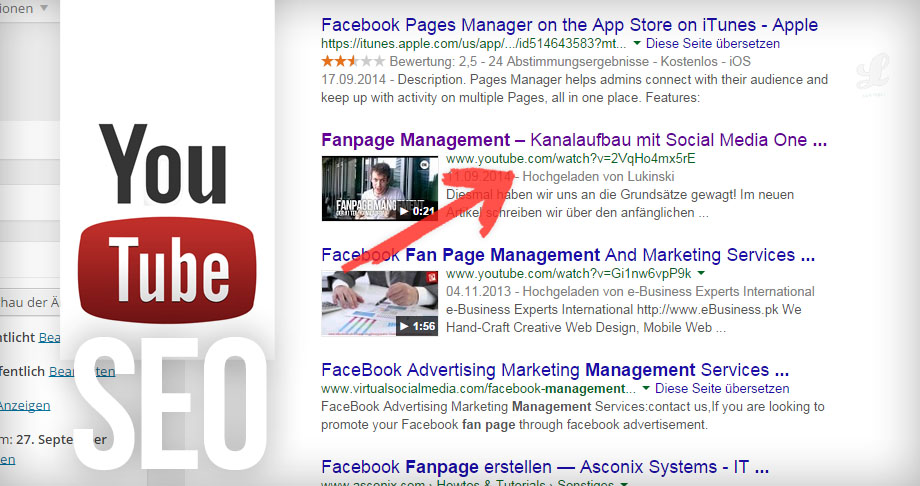
In addition to human actors, digital systems are powerful multipliers today. Google’s search algorithm determines what content millions of users see every day—a well-ranked article can continuously attract new readers for years without a single ad being placed. The TikTok algorithm has the potential to make accounts with just a few hundred followers go viral within hours if the content resonates with users. Pinterest functions as a visual amplifier with a long half-life: Pins are often discovered and shared months or even years after they’re created. Brands that systematically leverage digital amplifiers—through technical SEO optimization, platform-appropriate content formats, and strategic posting times—create a scalable reach infrastructure that operates around the clock.
Strategic Deployment: Identifying and Engaging Influencers
Here’s how it works:
- Clearly define your goals before you start
- Strategically integrate the multiplier into the marketing mix
- Test, measure, and continuously optimize
Building a strategic network of influencers starts with proper identification. The key metrics aren’t follower counts, but engagement rates, topic relevance, and authenticity. Tools like BuzzSumo, Traackr, or native platform analytics help identify relevant voices within a niche. At the same time, it’s worth looking inward: Which employees are active on LinkedIn? Which customers regularly like, comment on, and share content? These organic advocates are often more valuable than expensive paid partnerships.
Engaging influencers follows a clear principle: value before expectations. By offering influencers exclusive information, journalists authentic stories, and customers exceptional experiences, you lay the groundwork for voluntary word-of-mouth recommendations. A structured ambassador program can formalize this process without compromising authenticity. Corporate influencer programs go a step further: They train employees in social media use, provide content templates, and create incentives for regular sharing—always with the goal of showcasing genuine conviction, not faking it.
Step-by-Step: Building a Network of Advocates
A structured approach follows five clear phases. First: Target audience analysis—who are the most relevant communities for your brand, and where do they gather? Second: Influencer mapping—identify the most active and credible voices within these communities, both externally (influencers, journalists, experts) and internally (employees, customers). Third: Relationship building—reach out before you ask for anything. Comment on posts, share content, and invite people to events. Fourth: Activation—offer real added value: exclusive products, insider insights, co-creation opportunities, or financial compensation for commercial collaborations. Fifth: Measurement and optimization—define KPIs (reach, engagement, conversions, share of voice) and continuously optimize your network based on real data.
Common Mistakes in the Multiplier Strategy
The most serious mistake is confusing reach with relevance: Many brands pay mega-influencers with millions of followers but achieve hardly any conversions because the target audience isn’t the right fit. Equally damaging is the transactional approach—influencers who speak solely for money are quickly exposed as untrustworthy by their community, which reflects negatively on the brand’s reputation. Another classic mistake: poor-quality briefings. If you don’t clearly communicate to influencers what core message should be conveyed and what legal disclosure requirements apply, you risk content errors and legal problems. Finally, many companies underestimate the time investment: genuine influencer relationships aren’t built overnight, but through continuous cultivation over months and years.
Best Practices: How Brands Successfully Use Influencers
Here’s how it works:
- Clearly define your goals before you start
- Strategically integrate the multiplier into the marketing mix
- Test, measure, and continuously optimize
Red Bull has made the influencer principle part of its corporate DNA: Instead of traditional advertising, the brand relies on extreme sports athletes who serve as credible brand ambassadors within their communities. The result is millions of organic impressions—a reach that no media plan could replicate. Salesforce, in turn, has turned over a million certified users into active influencers through its Trailblazer Community Program—every Trailblazer talks about the product within their network because they see it as providing real added value for their own careers. Patagonia demonstrates how brand values can become a magnet for advocates: customers who share the brand’s sustainability mission become vocal advocates—without receiving any payment. And in the B2B sector, HubSpot uses its blog as a digital multiplier: SEO-optimized content that ranks at the top of search engine results multiplies the visibility of a single message for years to come.
B2C Example: Red Bull and Its Athlete Strategy
Red Bull spends more than a third of its total annual revenue on marketing—but by far the largest portion of that goes not to traditional advertising, but to athlete partnerships and events. The formula is ingeniously simple: The brand identifies exceptional talent in extreme sports before they become famous and supports them on their journey to the top. This creates brand advocates who speak about Red Bull out of genuine conviction—because the brand is part of their career story. Felix Baumgartner’s 2012 stratospheric jump was watched live on YouTube by over eight million people and generated billions of media impressions worldwide. What makes this special: Red Bull created the content itself and became the broadcaster—traditional media outlets acted as influencers who willingly picked up the story because it was newsworthy.
B2B Example: Salesforce Trailblazers and Community Expansion
With the Trailblazer program, Salesforce has developed a master plan for B2B influencer marketing. The idea: Users who earn certifications on the Trailhead learning platform receive the title “Trailblazer” and become part of an active community. This community organizes local meetups worldwide (Salesforce Saturday, Trailblazer Groups), shares knowledge on LinkedIn and Twitter, and advocates for Salesforce products within their companies. The result: Over one million active Trailblazers serve as authentic brand ambassadors without Salesforce paying them directly. The key lies in the program’s genuine added value—certifications have been proven to increase participants’ salaries and career opportunities, which generates intrinsic motivation to promote the platform further. This model is transferable to German companies: Those who offer their customers genuine skill development create the most loyal advocates.
92% of consumers trust recommendations from friends and family more than any other form of advertising—making word of mouth the most effective marketing tool of all. (Nielsen Global Trust in Advertising Report)
Conclusion: Multipliers as a Strategic Competitive Advantage
Conclusion:
- The multiplier effect is indispensable in modern marketing
- Think strategically, implement consistently
Those who systematically understand, identify, and engage influencers build a sustainable reach advantage that cannot be bought with a traditional media budget. The combination of internal corporate influencers, external opinion leaders, earned media generated by journalists, and digital influencers such as SEO forms a self-reinforcing reach ecosystem. The key lies not in the loudest shout, but in delivering the right message to the right people who will share it—at the right time.

Influencer PR: Earned Media Through Collaborations with Opinion Leaders
Increasing Reach: The Most Important Leverage Points for Each Channel

More Likes on Social Media: What Really Leads to More Engagement
YouTube Streaming in Marketing: Live Events, Product Launches, and Community Building
Live Commentary in Marketing: Real-Time Community Engagement

Developing a Social Media Strategy: Case Study on Product Reviews and ABC Analysis













 4.9 / 5.0