
More Likes on Social Media: What Really Leads to More Engagement
Likes are the smallest but most visible signal on social media—and for the algorithm, they’re an important early indicator of whether a post should be shown to more people. If you consistently get more likes, each new post will have a slight head start in the rankings. This post explains which factors truly influence likes and which strategies yield better long-term results than short-term tricks.
Why Likes Matter to the Algorithm
Social media platforms view early reactions as an indicator of quality. A post that garners many likes in the first few minutes is shown to a larger audience on a trial basis—if it receives positive feedback there as well, its reach continues to grow. If the likes don’t come, the algorithm almost always slows down distribution immediately.
Practical tip: The first 30 to 60 minutes after publication often matter more than the rest of the day. If you actively respond to comments during this window, you’ll noticeably extend the period during which your post remains visible.
That’s why it’s worth adjusting your posting times to match the hours when your target audience is most active, rather than sticking to a fixed editorial schedule. A post in the evening for a community that’s active in the evening often generates a higher engagement rate than the same content posted at noon.
- Posting at the Most Active Time of Day
- Quick Response Within the First Hour
- Actively Respond to Early Comments
- Use the algorithm’s test phase
- Review posting times regularly
Content Formats That Get More Likes
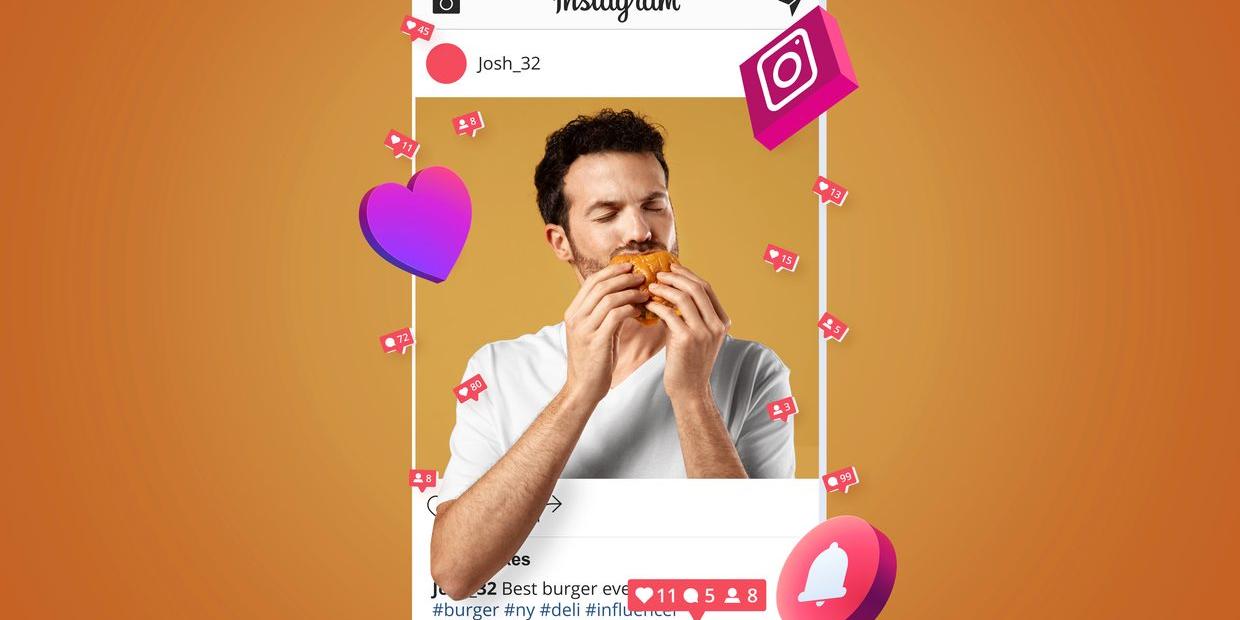
Not every type of content generates the same level of engagement. Emotional, personal, or surprising content is significantly more likely to elicit a “Like” than purely informational posts. Visual quality also plays a major role—a sharp, well-exposed image gets noticeably more reactions than a blurry snapshot.
- Emotional content rather than purely informational content
- High-quality, well-exposed photos
- Prefer faces and close-ups
- Short, clear captions
- Consistent visual style
Community-building instead of one-time campaigns
Purchased likes or “like-for-like” groups boost numbers in the short term, but they don’t generate genuine interaction that actually helps the algorithm—platforms reliably detect unnatural patterns and often downgrade the account. Formats that encourage users to tap the “Like” button are more sustainable: polls, before-and-after comparisons, or clear opinion questions.
- No purchased likes or groups
- Include surveys and opinion polls
- Use “before-and-after” formats
- Regular interaction instead of one-off actions
- Ask the community direct questions
The Difference Between Likes and Genuine Engagement
The “Like” button was originally intended as the simplest form of approval—today, it’s just one of many ways to interact with content. Comments and shares usually carry more weight in the ranking because they require more effort and thus send a stronger signal. Anyone seeking sustainable growth should therefore view “Likes” as an initial signal and strategically work to encourage comments and shares, as the fundamentals of social media interaction also demonstrate.
- Understanding Likes as a Buy Signal
- Actively solicit comments
- Drive Shares Through Added Value
- Analyze all types of interactions together
- Compare reactions across multiple formats
Getting more likes rarely comes down to a single trick, but rather to a combination of good timing, strong visual content, and genuine community engagement. Those who consistently apply these fundamentals while simultaneously working to grow their following will usually see results in the Insights section after just a few weeks. Patience remains key: Channels that consistently focus on quality and timing over months almost always outperform short-term campaigns—even if the initial impact seems smaller than a one-time viral spike.
Likes by Platform: Differences Between Instagram, TikTok, and Facebook
On Instagram, likes still count as a visible signal, but the Instagram algorithm now also places significant weight on watch time and shares, which is why a post with many likes alone no longer automatically guarantees greater reach. On TikTok, likes tend to be just one signal among many, while the TikTok algorithm primarily rewards videos that are watched all the way through.
On Facebook, likes have historically been the most important metric because the platform has long established them as a key measure of success, even though comments are now also heavily weighted. Anyone who produces content for multiple platforms should therefore be aware that an algorithm strategy can never be transferred one-to-one from one channel to another.
- Instagram: Time spent on the platform matters
- TikTok: Full Playback Is Key
- Facebook: Likes Are Traditionally Given Heavy Weight
- Do not copy the strategy across platforms
Common Mistakes in the Quest for More Likes
A common mistake is focusing solely on likes as the only metric of success, even though reach and actual actions taken by the target audience are often more meaningful. Equally risky is posting frequently without substantive content, just to show activity—followers quickly recognize empty posts and respond with waning interest rather than more likes.
Another mistake is ignoring negative signals: If you keep posting the same way despite declining engagement rates, instead of adjusting your format or timing, you’re missing out on valuable learning opportunities from your own data.
- Don’t view likes as the only metric
- Don’t post without any substance
- Take Declining Engagement Seriously
- Adjust the format and timing regularly
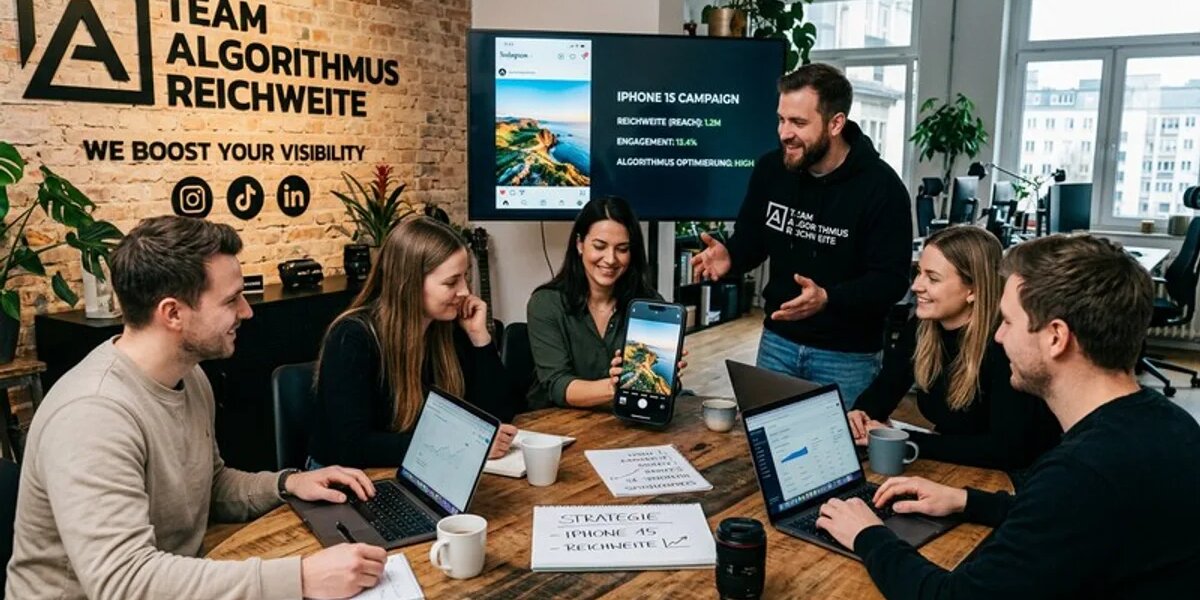
Increasing Reach: The Most Important Leverage Points for Each Channel

Influencers in Marketing: How Brands Use Influencers to Expand Their Reach
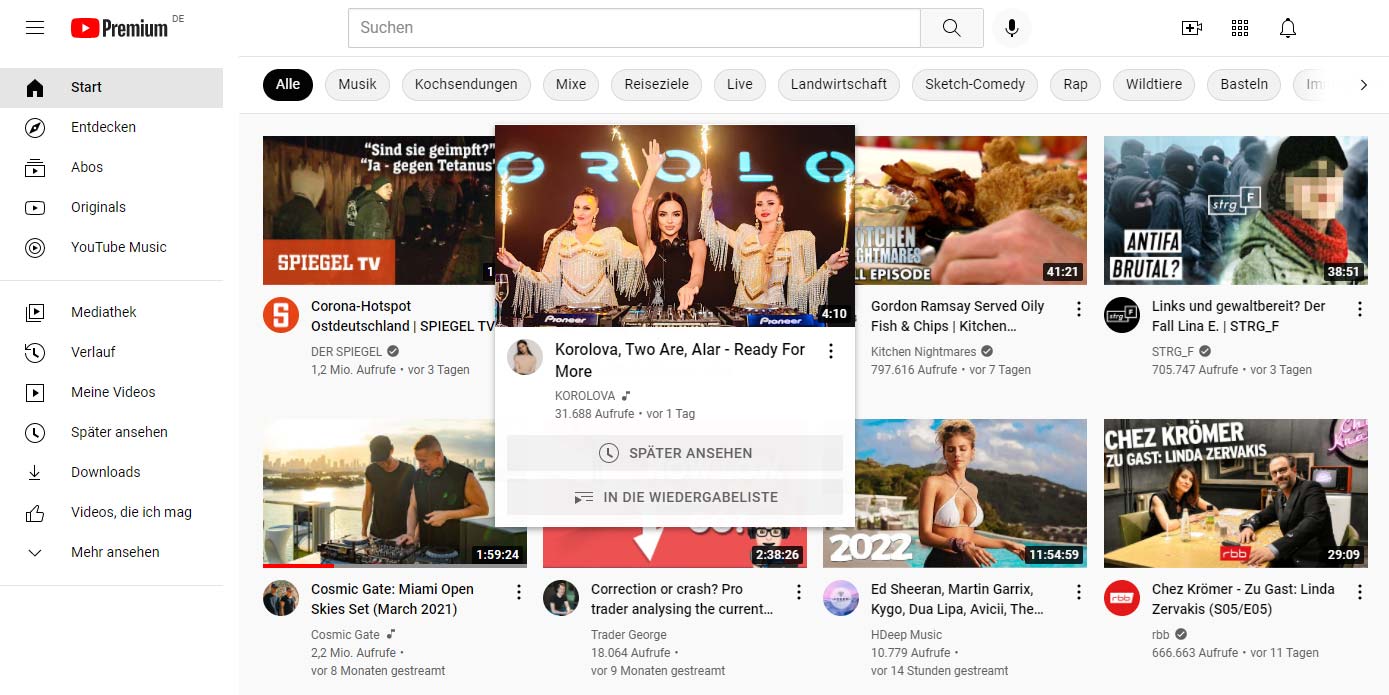
YouTube Streaming in Marketing: Live Events, Product Launches, and Community Building
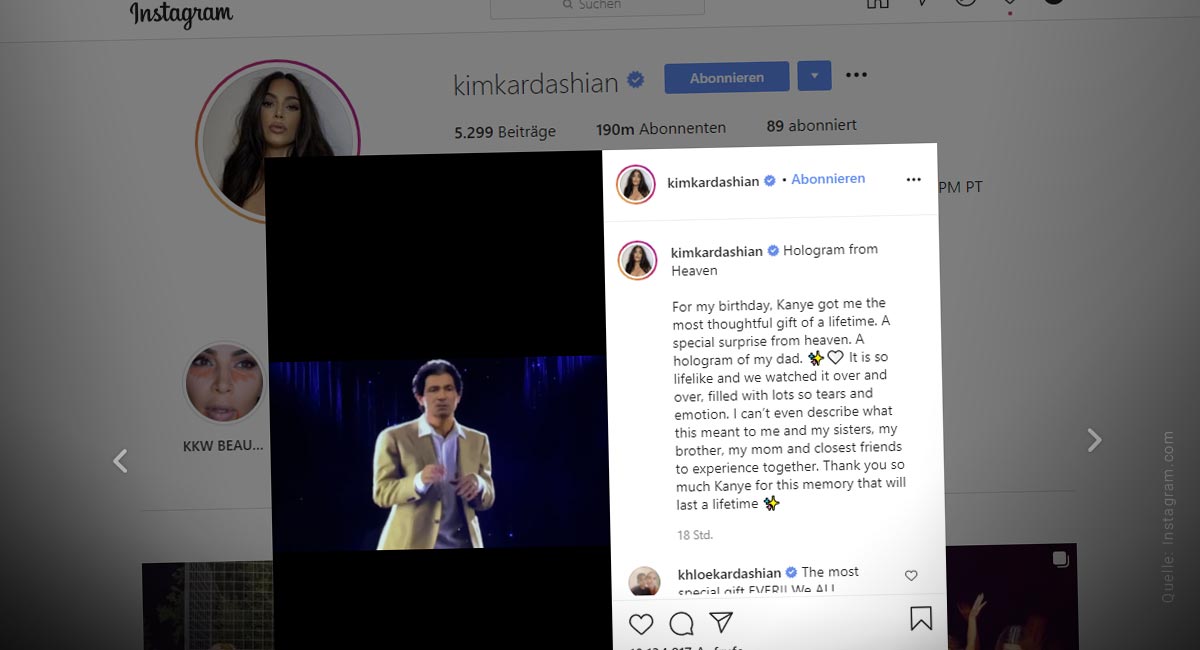
Live Commentary in Marketing: Real-Time Community Engagement

Developing a Social Media Strategy: Case Study on Product Reviews and ABC Analysis

Social Selling: Attracting Customers Through Social Media








 4.9 / 5.0