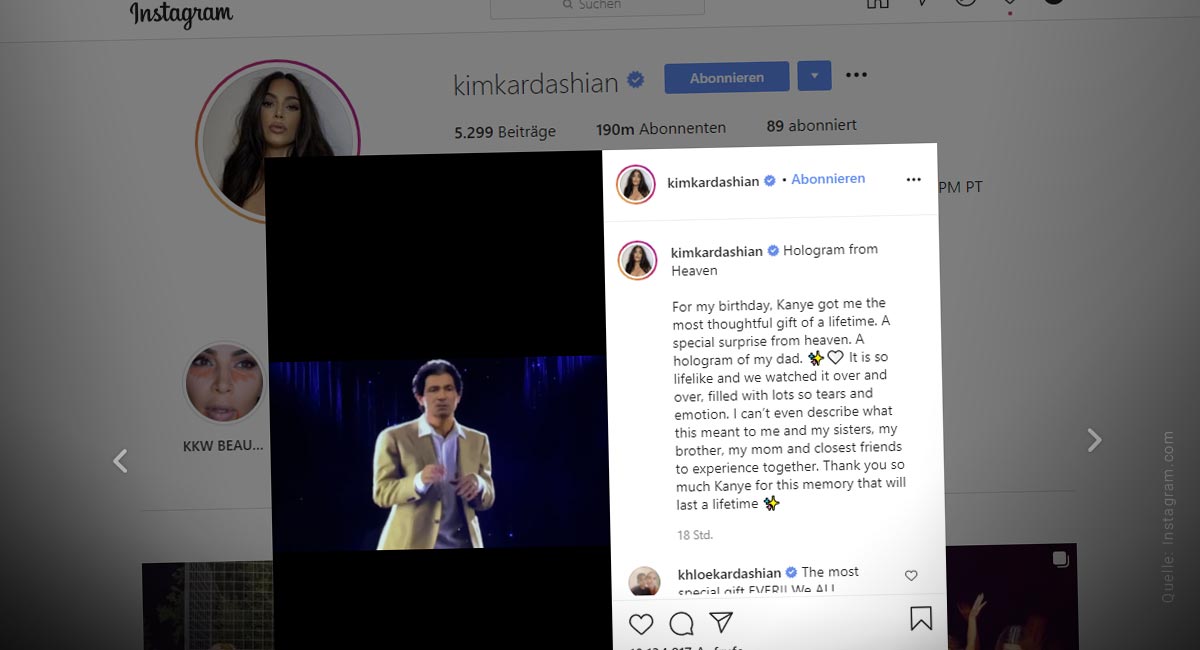
Live Commentary in Marketing: Real-Time Community Engagement
While the stream is running, the community is commenting—and it’s precisely at that moment that a brand is perceived as either vibrant or lifeless. Live comments are at the heart of modern social media interaction: they turn a broadcast into a conversation, viewers into participants, and customers into true brand ambassadors.
What are live comments in marketing?
Here’s what it’s all about:
- Live Commentary in Marketing: Explained Briefly and Clearly
- Distinction from Related Concepts
- The foundation of every marketing strategy
Live comments refer to real-time communication between brands and their audiences during streamed or live-broadcast content on platforms such as YouTube, Instagram, TikTok, Facebook, and Twitch. Unlike static comments on posts, live comments occur simultaneously with the content—viewers react immediately to what’s happening, ask questions, share their emotions, and interact with one another. For brands, live comments offer a unique opportunity to engage with their community in real time, build trust, and authentically showcase products or services. The live chat isn’t just a byproduct of the stream—it’s its most vibrant part.
Core Principles of Live Communication
Live comments operate according to different rules than asynchronous comment sections. The key principle is simultaneity: Hundreds or thousands of people experience the same moment together and can react to it immediately. This collective real-time experience creates a sense of community that cannot be replicated in any other digital format. Added to this is the fleeting nature of the experience—a live comment that goes unanswered disappears from the chat stream within a few seconds. Brands that understand this principle respond quickly, by name, and personally. Studies show that users who are addressed directly in live chat are up to 70 percent more likely to visit the brand’s next stream as well.
Distinction from Other Comment Formats
The difference between live comments and regular post comments is fundamental. With static posts, users comment at any time—the conversation can stretch out over hours or days. Live comments, on the other hand, are concentrated in the moment: Within minutes, hundreds of messages can arrive that are directly related to the content currently being shown. This context-specific nature makes live comments more valuable for direct product feedback, but also more challenging to moderate. Story replies and DMs are also asynchronous and private—live chats are public, collective, and ephemeral. These three characteristics define their unique impact in a marketing context.
| Platform | Live Commentary Feature | Special Feature | Reach |
|---|---|---|---|
| YouTube Live | Live Chat with Super Chat | Paid highlighting available | Global, all age groups |
| Instagram Live | Comments and Reactions | Guest Feature with Split Screen | Ages 18 to 34, visual |
| TikTok Live | LIVE Comments and Gifts | Algorithm Boost with High Activity | Gen Z, ages 16 to 25 |
| Facebook Live | Comments and Emoji Reactions | Strongest reach among those 35 and older | Ages 25 to 55 |

Implications for Brands
Keep in mind:
- Live commentary in marketing strengthens the brand and customer loyalty
- Direct impact on brand awareness and conversion
- Long-term development is always worth it
Live comments are a direct indicator of community health and brand loyalty. An active live chat section signals that this brand has genuine fans, not bought followers. Algorithms on YouTube, TikTok, and Instagram view high live engagement rates as a sign of quality and prioritize such streams more heavily in their recommendation systems. Brands that strategically use live comments don’t just build reach—they build community. Real-time interaction creates moments that can’t be replicated in recorded formats and elevates brand loyalty to an emotional level.
Facts & Figures on the Impact of Live Engagement
The numbers speak for themselves: According to a 2024 analysis of livestreaming platforms, users spend, on average, three times as much time watching live content as they do watching pre-recorded videos—provided the chat is actively moderated. Instagram reports internally that live videos generate, on average, six times more interactions than regular feed posts. TikTok data shows that accounts that go live weekly and actively respond to comments see a 45 percent higher follower growth rate within three months than comparable accounts without a live presence. For brands, this means that live comment engagement is not just a barometer of sentiment, but a measurable driver of growth.
Strategic Importance for Algorithms and Visibility
Platform algorithms disproportionately reward live engagement. On YouTube, a high comment rate during a livestream significantly increases the likelihood of being recommended in the sidebar. TikTok actively pushes live streams with high comment and interaction rates into the “For You” feed of non-followers—a massive organic reach effect that can be achieved at a fraction of the cost of any paid format. Facebook generally prioritizes live content in the News Feed over static posts during a broadcast. This algorithmic preference makes live comment activity a strategic lever: Increasing chat activity simultaneously boosts organic platform visibility—without an additional advertising budget.
Real-Time Community Management
To manage live chat professionally, you need a well-coordinated team. A moderator filters out spam and hate speech, a content manager answers product questions, and another team member selects the best questions for the host. This three-step process prevents chat chaos and turns the live stream into a controlled yet authentic experience. Tools like Streamlabs, Restream, or OBS enable chat integration from multiple platforms into a single interface and significantly simplify simultaneous moderation.
Live Q&A as a Brand Format
Live Q&A has established itself as a standalone brand format. Companies like Glossier, Gymshark, and About You host regular live sessions where founders, product experts, or brand ambassadors answer community questions directly. This transparency builds trust that no advertising campaign can replicate. Customers whose questions were answered live show significantly higher brand loyalty and repurchase rates than customers who have no direct contact with the brand.
Strategic Use of Live Commentary
Here’s how it works:
- Clearly define your goals before you start
- Integrate live comments strategically into the marketing mix
- Test, measure, and continuously optimize
The strategic use of live comments begins before the stream. Announcements that explicitly invite viewers to participate—Ask your question live!—significantly raise anticipation and increase the comment rate. During the stream, the host should actively respond to comments, call out names, and read questions aloud. This direct engagement creates a sense of personal connection that cannot be replicated in pre-recorded formats. Moderation guidelines must be established before the stream: What is allowed? How are trolls handled? When is someone banned? Clear rules protect the community atmosphere and enable the moderator to make quick decisions without consulting others. After the stream, the saved live comments provide valuable data: Which questions came up most frequently? What triggered the strongest reaction? These insights inform future content strategies directly from the community’s voice and turn the stream into a research tool.
Step-by-Step: Developing a Live Commentary Strategy
An effective live commentary strategy follows a clear three-phase model. Phase 1 is preparation: determine the topic, announce it to the community 48 to 72 hours in advance, anticipate frequently asked questions, and prepare response templates. Phase 2 is execution: Brief the moderation team, configure chat tools, train the host to actively engage commenters, and clearly communicate the rules. Phase 3 is follow-up: Analyze chat logs, compile the most common questions into FAQ content, publicly recognize top commenters, and incorporate the insights gained into the next content plan. Brands that consistently go through all three phases report a steady increase in chat activity across multiple live events—because the community realizes that their contributions are taken seriously.
Common Mistakes in Live Commentary Management
The most common mistake is a lack of moderation: Without a dedicated person behind the scenes, an active chat can quickly devolve into spam or toxic comments, which poisons the entire community atmosphere. The second most common mistake: The host reads comments aloud but doesn’t really respond to them—superficial answers like “good question!” without any substance are immediately perceived by the community as insincere. Another classic mistake is ignoring negative but constructive criticism: If you only select positive comments during a live stream, you lose credibility. Technical glitches—such as a lack of chat integration in multistream setups—should be ruled out during a test run 24 hours before the live event. And finally: no follow-up after the stream. If you don’t document and repurpose the most valuable chat contributions, you’re throwing away valuable raw material for content strategy and product development.

Best Practice Examples
The most important thing:
- Leading brands prioritize consistency
- The courage to be different pays off
- Define measurable KPIs from the very beginning
Gymshark has made live commentary a strategic pillar of its community-building efforts. During product drops, founders and athletes comment live—every question is answered, and every comment is valued. The result: one of the most loyal fitness communities worldwide with exceptionally high organic reach. Samsung uses Facebook and YouTube Live for product announcements with active chat management: moderators answer technical questions in real time, and product experts are on hand for live demos on demand. About You relies on creator collaborations: Influencers stream live from the About You product lineup, answer the community’s style questions, and link directly to products—live commerce in its purest form. Twitch most clearly shows where the industry is headed: Brands like Red Bull have their own channels with professional live hosts who build communities over months and years, using live comments as their primary feedback channel.
Gymshark and Red Bull: A Community-First Approach
Gymshark recognized early on that live streams are ineffective without active chat engagement. For every product drop, at least two community managers are working behind the scenes: one moderates, and the other forwards the best questions to the host. The result is live sessions that feel like a conversation among friends—not like an advertising broadcast. Red Bull takes it a step further and has built its own brand channel concept on Twitch, where live comments directly influence the direction of the content: The community votes on challenges, suggests locations, and reacts in real time to athletes’ performances. This co-creation through live comments turns the community into active co-creators of the brand—and thus into its most loyal ambassadors.
Live Commerce: When Comments Turn into Conversions
The Chinese market has demonstrated the potential of live commentary: Platforms such as Taobao Live and Douyin (TikTok China) now generate billions in revenue through live commerce formats in which comments are directly linked to purchasing options. This format is also growing in Europe and the U.S.: About You, Zalando, and Amazon Live are actively testing formats where product questions in the chat are answered with direct purchase links. According to McKinsey data, the conversion rate for live commerce is three to ten times higher than for traditional e-commerce formats—because the impulse to buy stems from authentic community recommendations, not from a static product page. Comments like “Is this also available in blue?” or “How does it fit?” turn into direct sales conversations when moderators and hosts respond and provide links in real time.
According to internal Facebook data, live streams with active comment management generate six times more engagement than regular videos — and remain visible in the algorithm for significantly longer.
Conclusion
- Live commentary is indispensable in modern marketing
- Think strategically, implement consistently
Live commentary isn’t a byproduct of live streams—it’s the product. A brand that goes live and ignores the chat misses the point: the moment of genuine human connection with its community. Professional live commentary management requires preparation, resources, and clear processes, but it pays off in the form of brand loyalty, community growth, and direct conversion opportunities. In an era where authenticity is the most valuable marketing asset, live comments are the most direct path to it—unfiltered contact between the brand and people.
How do you moderate live comments professionally?
Professional moderation requires at least one dedicated person, clear guidelines (what is allowed?), pre-written response templates for frequently asked questions, and tools for multi-channel integration, such as Restream or Streamlabs.
How do you deal with negative comments during a live stream?
Objective criticism should be acknowledged and addressed constructively. Spam, hate speech, and trolling should be deleted immediately and, if necessary, result in a ban. Communicate transparently: We have community guidelines that apply to everyone.
Which platform is best suited for live commentary marketing?
It depends on the target audience: YouTube for broad reach and longevity, Instagram for 18- to 34-year-olds, TikTok for Gen Z, and Facebook for those 35 and older and local communities. Multichannel streaming significantly increases overall reach.
Increasing Reach: The Most Important Leverage Points for Each Channel

Influencers in Marketing: How Brands Use Influencers to Expand Their Reach

More Likes on Social Media: What Really Leads to More Engagement
YouTube Streaming in Marketing: Live Events, Product Launches, and Community Building

Developing a Social Media Strategy: Case Study on Product Reviews and ABC Analysis

LinkedIn Lead Generation: Attracting New Customers on LinkedIn










 4.9 / 5.0