YouTube SEO: Channel Growth and Greater Reach for Businesses
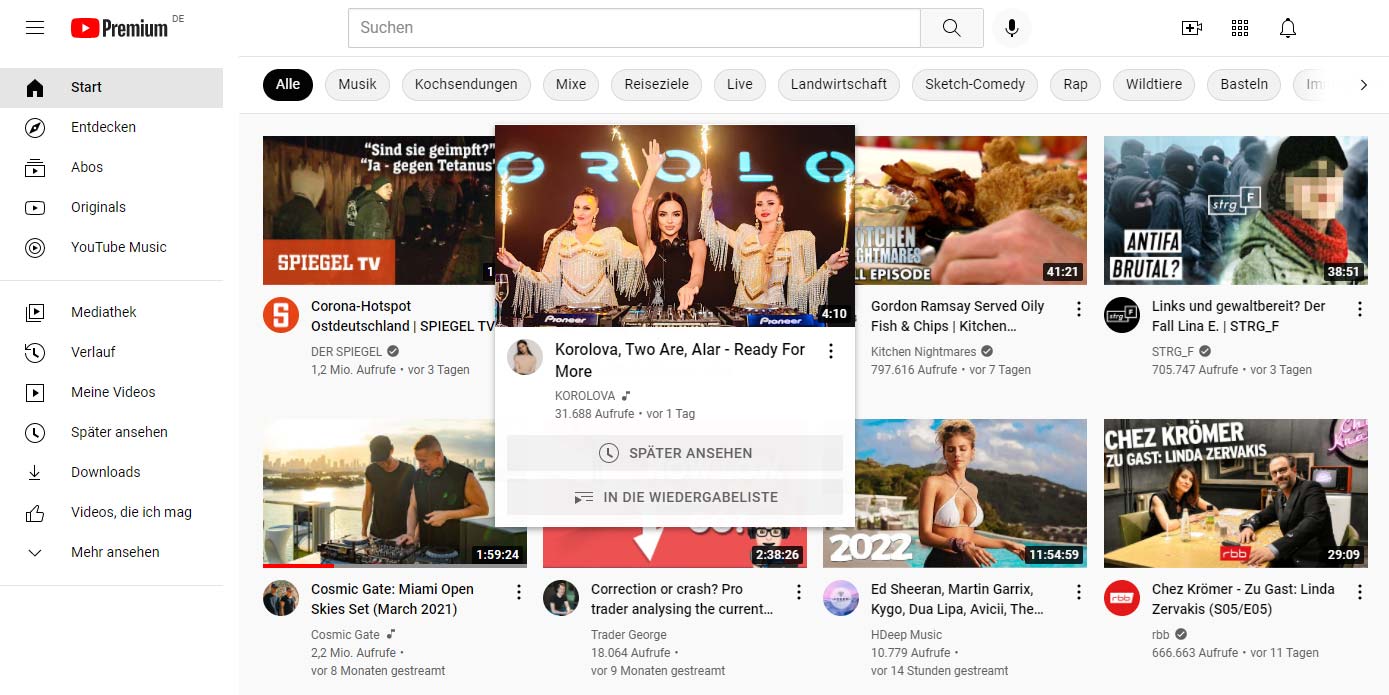
With over 2 billion monthly active users, YouTube is the second-largest search engine in the world—right behind Google. Any business that posts on YouTube without an SEO strategy is squandering a massive amount of organic growth potential. This guide explains how YouTube SEO works, what factors drive the algorithm, and how businesses can systematically increase their reach.
Why YouTube SEO Is Essential for Businesses Today
YouTube isn’t a social network in the traditional sense—it’s a search engine in video format. Users visit YouTube with a specific search intent: they’re looking for tutorials, product comparisons, explanatory videos, and industry solutions. This search intent is often much closer to a purchase than with Google text searches.
- Videos appear in Google search results — double the visibility with a single asset
- Users with “how-to” and product research intent are more likely to convert
- Organic YouTube reach is free in the long run—a good video keeps working for years
- B2B decision-makers actively use YouTube for product research and training
- Competitors without a YouTube strategy are leaving this channel untapped—early adopters have an advantage
The key difference from Instagram or TikTok: YouTube content has a significantly longer half-life. A well-optimized video can generate traffic for months or even years, while social media posts disappear after just a few hours. For companies with products or services that require explanation, this is a structural advantage.
Add to that the Google effect: YouTube videos regularly appear in Google’s organic search results, especially for “how-to” queries and product searches. A video that ranks on both YouTube and Google generates double the visibility with the same asset. You can find the complete YouTube strategy for businesses at our YouTube agency.
An Overview of the Most Important YouTube SEO Factors
YouTube ranks videos based on a variety of signals. Not all of them carry the same weight—and the weighting shifts depending on the channel’s strength. The following table provides a structured overview of the key factors:
| factor | Relevance | Optimization Tip |
|---|---|---|
| Keyword in the title | Very high | Main keyword in the first 60 characters, at the beginning of the title |
| Description | High | Include the keyword in the first two sentences; 200–300 words; add timestamps and links |
| Tags | Medium | 5–8 tags: main keyword + related terms, no keyword stuffing |
| Thumbnail CTR | Very high | Goal: CTR of over 4–5%; high-contrast images, max. 3 words of text |
| Watch Time | Very high | Make the first 30 seconds a strong hook; use chapters |
| Engagement Rate | High | Actively encourage likes, comments, and shares through calls to action |
| Subscriber Feedback | High | Activate subscribers within the first 24–48 hours — Early engagement boosts distribution |
Agency Tip: New channels should treat watch time and click-through rate as their primary metrics—not subscriber counts. The YouTube algorithm prioritizes videos that keep users on the platform longer. Those who optimize for these metrics will grow faster than those who focus solely on visibility.



Keyword Research for YouTube: How to Find the Right Search Terms
Keyword research for YouTube follows different rules than for Google. Users search differently on YouTube—they formulate complete questions or task descriptions instead of individual terms. If you understand and take advantage of this, you’ll find keywords with real traffic potential.
Tools for YouTube Keyword Research
- YouTube Search Suggest (free): Simply enter a search term and analyze the autocomplete suggestions—it shows what users are actually searching for
- TubeBuddy: A browser extension that offers keyword scores, competitor analysis, and tag exploration right within YouTube Studio
- VidIQ: Similar to TubeBuddy, but with the added features of channel audits and trend alerts
- Ahrefs YouTube Keyword Tool: Shows search volume and keyword difficulty on YouTube, ideal for data-driven decisions
- Google Trends: Select the YouTube tab for platform-specific trend analysis — especially useful for planning seasonal content
The Right Keyword Strategy
For new channels, a long-tail strategy is the most effective approach. Short-tail keywords like “YouTube marketing” have enormous search volume, but also face fierce competition. If you start with “YouTube marketing strategy for small businesses,” you can attract niche traffic and build channel authority.
The optimal keyword mix combines two types of search intent: informational keywords (how-to, explanatory video, What is X, tutorial) for reach and new customer acquisition, as well as commercial keywords (comparison, test, review, cheap, alternative) for users ready to buy who are more likely to convert.
Agency Tip: Channels that rank for at least three related keywords per video grow three times faster than channels that focus on a single keyword. Semantic clustering pays off just as much on YouTube as it does in traditional SEO.
On-Page Optimization: Using Titles, Descriptions, and Tags Correctly
On-page optimization on YouTube includes all metadata configured directly during the video upload. These fields serve as direct ranking signals and also represent the first point of contact with potential viewers.
- Title: Include the main keyword in the first 60 characters, ideally right at the beginning. Pique curiosity without resorting to clickbait—the title must deliver on its promise, otherwise the bounce rate will increase
- Description: Include the keyword in the first 1–2 sentences (this is the visible portion without “Show more”). Total length: 200–300 words; include timestamps for better UX and watch time; include links to the website and related videos
- Tags: Use 5–8 relevant tags: the main keyword exactly as it is, followed by variations and related terms. Tags are no longer a primary ranking factor, but they do help with topic classification.
- Chapters: Timestamps in the description automatically create chapter markers in the video player. This improves watch time (users can jump to relevant content) and makes videos appear as “Key Moments” in Google Search.
- Category: Select the appropriate YouTube category — this affects the context in which the video is recommended
Thumbnails and CTR: The Underestimated SEO Lever
The click-through rate (CTR) is one of the strongest algorithmic signals on YouTube. A video that appears in search results but receives few clicks will lose its ranking. The thumbnail is the most important element for optimizing CTR.
What Makes a Good Thumbnail
Effective YouTube thumbnails follow clear design principles. High contrast makes the image legible even on small screens. Faces—especially those with emotional expressions—have been shown to increase the click-through rate. Text overlays should contain no more than 3 words and be easy to read. A consistent brand style across all videos strengthens brand recognition and, as a result, the subscriber click-through rate.
- CTR Benchmark: over 4–5% = very good, 2–4% = average, under 2% = needs revision
- Colors in the thumbnail should be high-contrast; they should not mimic YouTube’s own red-and-white color scheme
- Consistency in style conveys professionalism and increases brand recognition
- The thumbnail and title must work together—the image shows, the title explains
A/B Testing for Thumbnails
YouTube Studio offers the option to run automatic thumbnail tests for channels with 1,000 or more subscribers. In this process, two or three thumbnail variations are tested against each other, and YouTube determines which one achieves the higher CTR. This feature is free and available directly in YouTube Studio—a concrete data-driven advantage over creating thumbnails based on gut feeling.
Even without this feature, you can still perform A/B testing manually: Replace the thumbnail after a few weeks and compare the CTR trends in YouTube Analytics. This data point is one of the most valuable in the entire YouTube SEO process.

FAQ — Frequently Asked Questions About YouTube SEO
- How long does it take for YouTube SEO to take effect?
- Initial rankings are possible after 2–4 weeks if the video is optimized for a low-competition keyword. Long-term channel strength—that is, the ability to rank for competitive keywords as well—is built up over 6–12 months of consistent publishing.
- How many videos should you upload per week?
- Consistency is more important than frequency. One video per week, posted consistently, is better than three videos in one week followed by a four-week break. The algorithm rewards regular activity—and subscribers get used to a steady rhythm.
- Do YouTube Shorts Help the Main Channel?
- Yes—Shorts attract new subscribers to the channel, who then go on to watch long-form videos as well. This increases the watch time of the main channel and improves overall algorithm performance. Shorts are not only a standalone format but also a channel for acquiring new subscribers for the main channel.
- Is YouTube Worth It for B2B Companies?
- Absolutely. B2B decision-makers actively use YouTube for product research, training, and comparing solution providers. Explanatory videos, product demos, and webinar recordings perform particularly well in a B2B context and have a long lifespan.
- What should you do if your videos aren’t getting any reach despite your SEO efforts?
- A/B test thumbnails and titles—often the problem lies with the CTR, not the ranking. Optimize the first 30 seconds of the video: The hook must clearly communicate the benefit to the viewer. Additionally, engage the community: Respond to comments, use community posts, and share the video on relevant forums or LinkedIn.
YouTube SEO isn’t a one-time sprint, but rather an ongoing process of optimization, analysis, and iteration. Companies that systematically work on titles, thumbnails, watch time, and engagement build an organic presence that generates reach and leads over the long term. As a specialized agency, we’re here to help you develop a comprehensive YouTube marketing strategy for your business —from channel conception to content production.
Related Articles
- YouTube Agency: Comprehensive Strategy and Channel Management
- Social Media KPIs: What Really Matters
- Calculate Social Media ROI
- TikTok Algorithm: Building Reach
- Request a YouTube Strategy