
Influencer PR: Earned Media Through Collaborations with Opinion Leaders
Traditional public relations is aimed at journalists, while influencer PR extends this concept to a new group of opinion leaders: creators, bloggers, and social media personalities with their own dedicated communities. Here, too, the goal is organic, credible visibility rather than purely paid advertising, which is why blogger relations and PR strategies are increasingly overlapping. For brands, this means no longer viewing traditional press relations and influencer marketing as separate entities, but rather as a single discipline that applies the same principles to different target audiences.
What Is Influencer PR? Definition and Significance
Influencer PR refers to the strategic development of relationships with opinion leaders with the goal of securing independent, credible mentions of a brand, rather than purchasing them exclusively through paid collaborations. The line between traditional influencer marketing and influencer PR is drawn by the issue of payment: While influencer marketing typically relies on paid content, influencer PR aims for voluntary, editorial-style recommendations that are considered particularly credible. It is precisely this credibility that cannot be bought with money alone, which is why influencer PR requires significantly more preparation and relationship-building than a simple advertising deal.
Practical tip: Don’t send products indiscriminately to as many accounts as possible. A small, carefully selected group of suitable opinion leaders typically generates more genuine, credible mentions than a broad, mass mailing.
The key to the success of influencer PR is the content fit between the brand and the influencer. Only when a topic truly aligns with the creator’s personality and values will a mention come across as credible and be perceived by their own community as authentic rather than a paid advertisement—which significantly boosts its impact. Companies are therefore well advised not to select influencers based solely on the number of followers, but rather on their actual alignment with the brand’s subject matter and values.
- Voluntary vs. Paid Mentions
- Focus on content alignment
- Goal: Credible, organic reach
Influencer PR vs. Traditional Influencer Marketing
Traditional influencer marketing typically centers on a paid, contractually agreed-upon deal with clearly defined deliverables such as posts, Stories, or videos. Influencer PR often dispenses with payment entirely or limits it to product samples, but instead focuses on building long-term relationships that more closely resemble traditional media relations with journalists than an advertising booking process.
- Payment: Contractual vs. Voluntary
- Time frame: campaign-based vs. long-term
- Perception: promotional vs. editorial
How does influencer PR work in practice?
The classic starting point is influencer seeding: Products are sent specifically to selected opinion leaders without requiring any fixed compensation, in the hope of voluntary, authentic mentions. In addition, many companies establish long-term corporate influencer programs in which their own employees or closely affiliated ambassadors regularly provide credible coverage of the brand, thereby creating a sustainable source of influencer PR without having to seek out new external partners for every single campaign.
- Selecting Opinion Leaders Tailored to the Target Audience
- Product seeding without a fixed form of compensation
- Long-term relationship building instead of one-off deals
- Systematically building a network of internal ambassadors
Success Factors and Risks of Influencer PR
The biggest advantage of influencer PR is its high level of credibility compared to traditional advertising; the biggest risk is the lack of control over the content and timing of the mention. Companies should therefore set realistic expectations and view influencer PR as a complementary channel—not the sole channel—that meaningfully supplements, rather than replaces, planned paid media activities. Those who plan influencer PR from the outset with clear but cautious success criteria can avoid disappointment and develop these relationships in a long-term and sustainable manner.
- High Credibility as the Greatest Advantage
- Limited control over timing and content
- Set realistic expectations for reach
- Plan as a complement, not a replacement
Building Influencer PR Step by Step
The first step is a careful analysis of topics and values to identify opinion leaders whose content truly aligns with your brand, rather than filtering solely by reach. The second step involves making an initial, non-binding contact—often through product samples provided without any specific expectation of reciprocity—to gauge their willingness to collaborate. In the third step, successful brands build a long-term relationship based on this, similar to what is common in B2B influencer marketing on LinkedIn, where subject matter experts are engaged over an extended period. Only in the final step is it worthwhile to scale up to multiple opinion leaders simultaneously, once the initial approach has proven to be effective.
- Conduct a Topic and Values Analysis First
- Initiate a non-binding initial contact without pressure
- Build a long-term relationship rather than a one-off campaign
- Expand to multiple partners only after success
Common Mistakes in Influencer PR
A common mistake is selecting influencers based solely on the number of followers, without checking whether their content actually aligns with your brand. Equally risky is exerting too much influence over the content of the post, which causes the desired authenticity to be lost and makes the message appear like a paid deal—even if no money formally changed hands. Those who mix thought leadership approaches with traditional influencer seeding without considering the differences in expectations and tone risk creating an inconsistent overall perception. A lack of social listening following the collaboration also means that negative reactions from the community are noticed too late—or not at all.
- Don’t Select Based Solely on Follower Count
- Avoid excessive influence on content
- Do not mix thought leadership and seeding
- Actively monitor reactions after the collaboration

Influencers in Marketing: How Brands Use Influencers to Expand Their Reach
Influencer - Social Media Marketing Success for Businesses

More B2B Sales: Leads, LinkedIn, and Sales Strategy
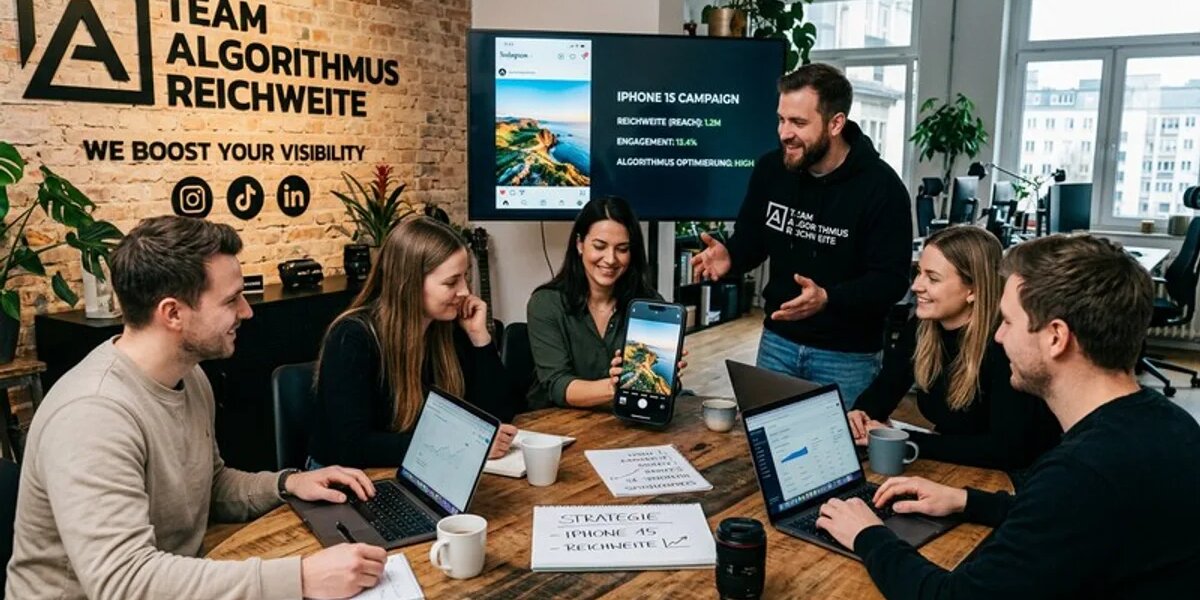
Increasing Reach: The Most Important Leverage Points for Each Channel

More Likes on Social Media: What Really Leads to More Engagement
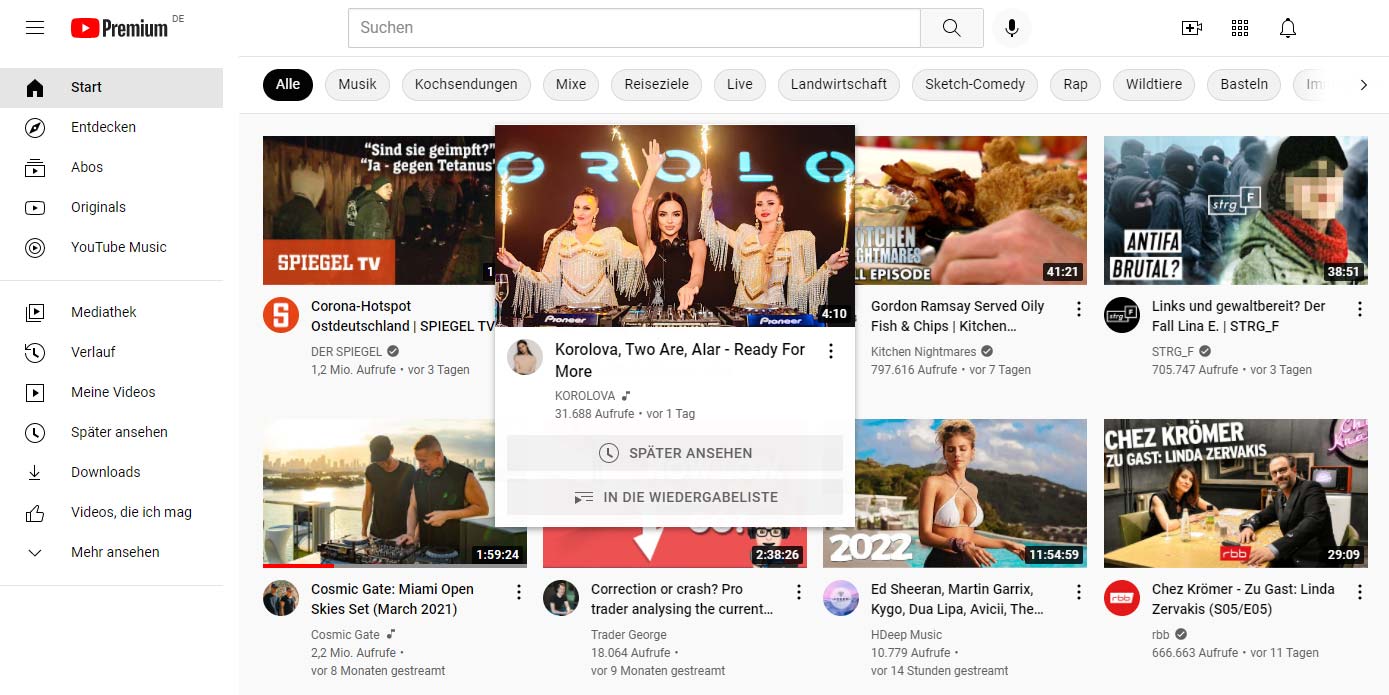
YouTube Streaming in Marketing: Live Events, Product Launches, and Community Building















 4.9 / 5.0