Influencer Seeding: Product Placement, Generating UGC, and Expanding Reach Without a Budget
Influencer seeding is one of the most cost-effective ways to build product visibility without using traditional advertising budgets. Brands send products to selected creators—with no payment agreement and no guarantee of a post.
What Influencer Seeding Means
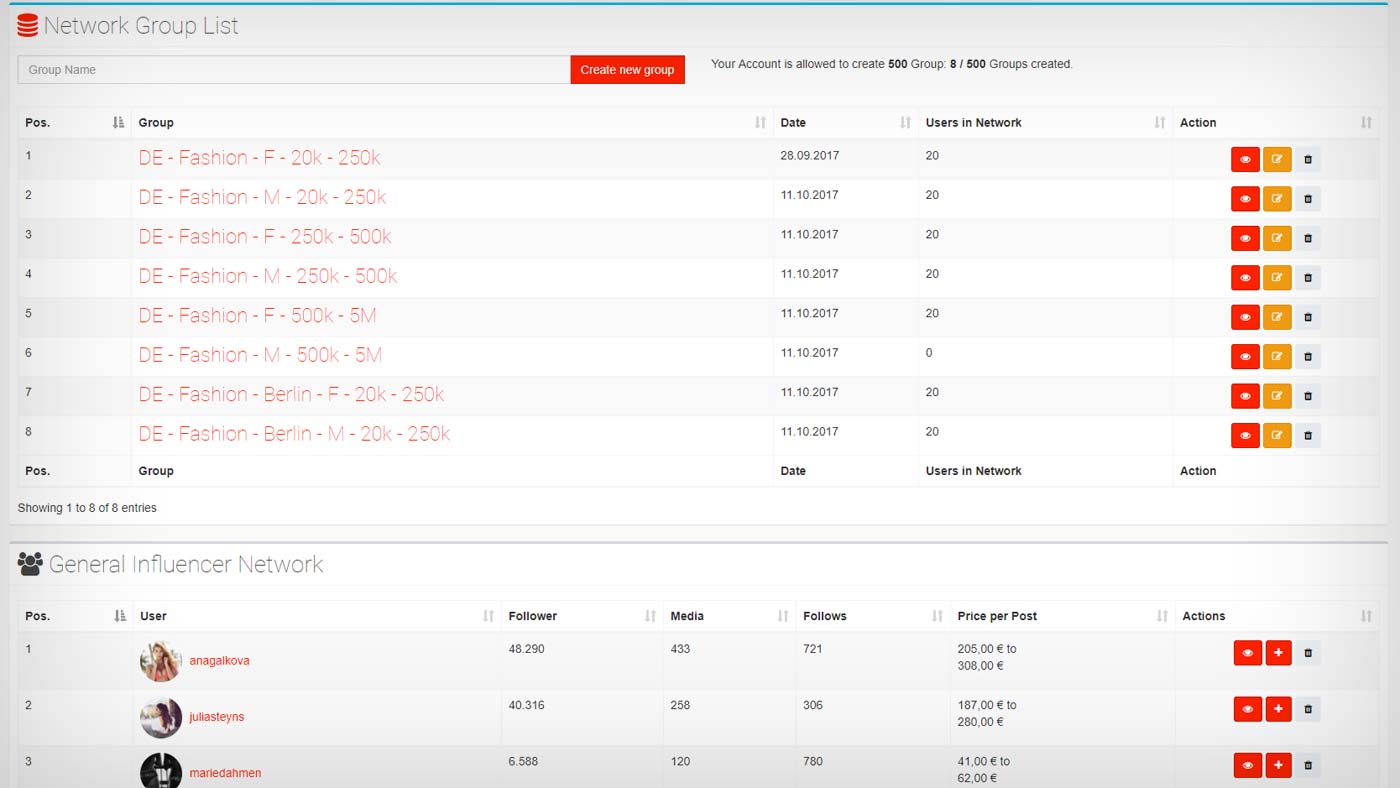
In a traditional influencer partnership, there’s a briefing, compensation, and usually contractual posting obligations. With seeding, none of that applies. Brands select creators, send them the product along with a personal note—and hope for organic posts. No contract, no obligations.
This infographic shows how organic growth works on Instagram, TikTok, and Facebook—from content strategy to target audience analysis.

That sounds like a loss of control. It is—and that’s exactly what makes it so powerful. Content that’s created without pressure has a different impact. It doesn’t sound like an ad because it isn’t one.
What Goals Do Companies Pursue with Seeding Campaigns?
- Generate UGC for social media channels and ads
- BuildingOrganic Reach Without a Media Budget
- Gather product feedback from the target audience
- Build Long-Term Relationships with Creators
- Support product launches with viral mechanics
Seeding vs. Paid Partnerships
| Criterion | Influencer Seeding | Paid Partnership |
|---|---|---|
| Cost per Creator | Product value (€5–50) | €500–5,000 + product |
| Posting Guarantee | None | Contractually guaranteed |
| Authenticity | Very high | Depends on the briefing |
| Content Quality | Variable | Briefing-driven |
| Scalability | Very high (100+ creators) | Depends on budget |
The Process of an Influencer Seeding Campaign
Professional seeding follows a clear process. First, a long list of suitable creators is compiled—based on niche, follower demographics, and platform. When selecting nano-creators for seeding campaigns, engagement rates and topic relevance are more important than absolute reach.
The shipping package itself is key: unboxing experiences are shared. A personalized card, attractive packaging, and a clear product promise significantly increase the rate of posts. The seeding process is also closely linked to influencer marketing —seeding is often the first step in a long-term relationship with a creator.
Legal Labeling Requirements for Seeding
Even if no money changes hands: If a product was sent for free and a post is made about it, it must be labeled as advertising or a partnership in Germany. Following the rulings by the Higher Regional Court of Celle and the Higher Regional Court of Frankfurt, this also applies to unsolicited shipments with a recognizable advertising intent.
Evaluating Seeding Campaigns
Without tracking links, seeding remains in the dark. We recommend using unique discount codes for each creator, UTM parameters in the bio, or links shared via DM. This allows you to measure which creators are actually driving conversions—and who is a good fit for a content marketing partnership or a paid follow-up collaboration.
For UGC content strategies, seeding is the most cost-effective source: authentic creator-generated content that can be repurposed for ads without having to fund expensive productions.
“Seeding isn’t a free pass for uncontrolled advertising. It’s an invitation—and good creators accept it because the product is compelling, not because they have to.” — Social Media One, Creator Relations Team
How much does a seeding campaign for 50 creators cost?
With a product value of 15 euros per package, the total cost is approximately 1,150 euros (including shipping) for 50 Creators.
What is the posting rate for seeding?
Professionally executed seeding campaigns achieve posting rates between 30 and 60 percent.
What is the difference between seeding and paid influencer collaborations?
With seeding, there is no guarantee that a post will be published, and no direct compensation is provided. With paid collaborations, the post is contractually agreed upon.
Do seeding posts have to be labeled as advertisements?
Yes. Even if no money changes hands, the disclosure requirement applies in Germany as soon as a product sent free of charge is featured.
Which platform is best suited for influencer seeding?
Instagram and TikTok are particularly well-suited because visual product photos look natural there, and unboxing videos reach a wide audience.
Increasing Reach: The Most Important Leverage Points for Each Channel

Influencers in Marketing: How Brands Use Influencers to Expand Their Reach

More Likes on Social Media: What Really Leads to More Engagement
YouTube Streaming in Marketing: Live Events, Product Launches, and Community Building
Live Commentary in Marketing: Real-Time Community Engagement

Developing a Social Media Strategy: Case Study on Product Reviews and ABC Analysis











 4.9 / 5.0