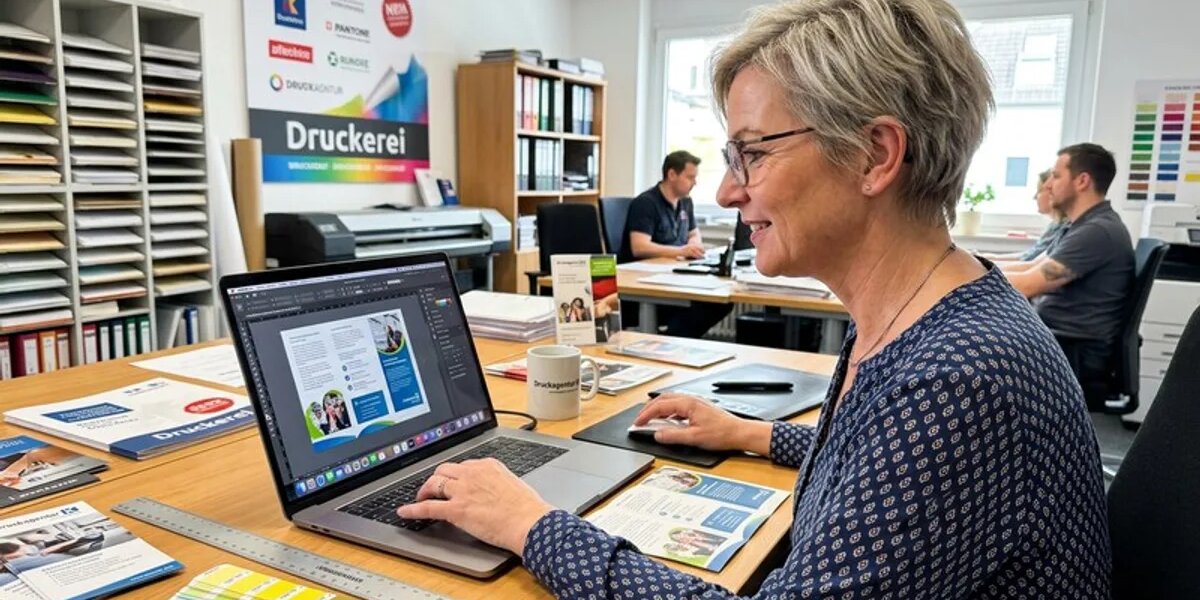
Brochure: Definition, Benefits, and Use in Marketing
A brochure concisely summarizes information about a product, service, or company on just a few pages and typically serves as a printed or digital reference guide for prospective customers. Despite the prevalence of digital channels, the brochure remains a key component of many content marketing strategies, particularly in the B2B sector.
What Makes a Brochure Stand Out
Unlike an ad or a social media post, a brochure is designed to encourage more in-depth engagement: Readers consciously take the time to compare content and read the details. This attention span sets the brochure apart from advertising formats that are consumed quickly.
Practical tip: A brochure should highlight its key benefits right on the first page—many readers decide whether to keep reading based on this.
Especially when it comes to complex products or services, a brochure allows for a more detailed presentation than brief advertising messages. This depth makes it particularly valuable in consulting situations.
- A concise overview of benefits and details
- Can be used in print or digital format
- Designed to help you maintain your attention for longer
- Particularly valuable for complex offerings
Using Brochures in the Marketing Mix
A brochure rarely works on its own. Only when combined with targeted outreach to the right audience does it reach readers who are genuinely interested in learning more about what’s being offered.
- As a downloadable offer on landing pages
- As a side dish at trade shows and events
- Follow-up material after initial contact
- As a complement to digital campaigns
Combining Digital and Printed Brochures
A printed brochure is often more persuasive at trade shows and during face-to-face conversations than a PDF alone, because it can be experienced physically and leaves a lasting impression. Digital brochures, on the other hand, offer the advantages of easy distribution, lower costs, and the ability to track downloads and reading times.
Many companies therefore use both formats in parallel: the printed brochure for direct contact and the digital version for landing pages, email campaigns, and social media ads. The content of both versions should remain consistent, even if their length and design may vary slightly.
- Use printed brochures during face-to-face conversations
- Using Digital Brochures to Expand Reach
- Measurably Analyze Downloads and Reading Times
- Ensure consistency of content across both formats
Creating Effective Brochure Content
Content and design work together to determine the impact. A clear call to action at the end ensures that readers know what the next logical step is after finishing the article.
- Clear structure with headings
- Benefits Over Technical Details
- A specific next step at the end
- Consistent corporate design throughout
Legal Considerations Regarding Prospectuses
Information in a brochure regarding prices, features, or availability should be carefully reviewed, as it may be considered a binding advertising statement under certain circumstances. Furthermore, incorrect or outdated information in printed editions cannot be corrected retroactively, leading to unnecessary reprints. Such errors not only incur additional costs but also create an unprofessional impression among customers who receive outdated information.
Digital brochures offer a practical advantage in this regard, as content can be updated quickly as needed without having to print an entirely new edition. Anyone using both formats simultaneously should therefore clearly specify which version is considered current in case of doubt.
- Carefully check price and product information
- Be Aware of the Legal Binding Nature of Advertising Claims
- Use digital versions for quick corrections
- Prevent Reprints Through Careful Review
A brochure remains relevant even alongside digital formats because it gives readers the time and space to make an informed decision. When designed consistently, it also strengthens a company’s brand awareness across individual campaigns. Those who combine print and digital effectively reach potential customers at the exact moment when they are most receptive.
Brochure in Practice: Typical Use Cases
In the real estate industry, a brochure often accompanies a property tour: Prospective buyers receive a concise summary of floor plans, features, and contact information, rather than having to memorize details during the appointment. In retail, the brochure often serves as an expanded catalog that showcases additional products beyond those featured in the current advertisement. In technical sales as well, the brochure serves as a basis for discussion when a quote includes multiple variants or configuration levels that are difficult to convey verbally.
Anyone designing brochures specifically for individual industries should tailor the product benefits they contain to the respective target audience, rather than using generic text for all applications. A brochure for end customers needs to emphasize different aspects than one intended for specialty retailers, even if both describe the same product.
- Real Estate: Summary of Floor Plan and Amenities
- Retail: Offer an expanded catalog
- Technical Sales: Compare Variants at a Glance
- Tailor content to each target audience
Common Mistakes in Brochure Design and Distribution
A common mistake is simply copying website text without adapting it to the print format: What works online with links and submenus often appears cluttered and unstructured in a brochure. Furthermore, too much information per page overwhelms readers, who typically only hold the brochure for a few minutes. The choice of appropriate print materials also contributes to the overall impact, as paper quality and format influence how high-quality an offer is perceived to be.
Another common mistake is ordering the wrong print run: If you print too many copies, you’ll end up with outdated stock, while printing too few can quickly lead to shortages at trade shows. It’s also worth taking a second look at the print design, as inappropriate font sizes or color contrasts can significantly impair readability, especially for older target audiences.
- Do not copy website text verbatim
- Limit the amount of information per page
- Calculate Print Run Realistically
- Test readability for all age groups

History of Marketing: From Early Advertising to Modern Campaigns

Logo: Definition, Function, and Importance for a Brand
More Downloads for Your App: 15 Strategies for ASO, Paid, and Organic
How to Attract Customers for Free: 10 Methods That Really Work
B2B Lead Generation: More Qualified Leads
Attracting Customers as a Service Provider: Channels, Mistakes, and a Step-by-Step System















 4.9 / 5.0