Retail Marketing: Strategies, Channels, and Customer Loyalty in the Retail Industry
The retail industry is undergoing constant change. While e-commerce is gaining importance, the in-store shopping experience remains a key factor in retailers’ success. Retail marketing has long since evolved beyond traditional advertising—today, it encompasses a holistic approach that combines strategic planning, intelligent use of channels, and innovative customer loyalty initiatives. Modern retailers must understand that the point of sale is not just a place to make sales, but a stage for creating emotional customer experiences. This article highlights the key strategies and channels retailers use to reach their target audiences, engage them, and turn them into loyal customers over the long term.
Understanding Retail Marketing: Fundamentals and Importance in Modern Retail
Retail marketing is much more than simply selling products at the register. It encompasses a strategic approach that considers the entire customer journey, from the first point of contact to repeat business. At its core, it’s about offering customers such a compelling shopping experience in brick-and-mortar stores that they return and act as brand ambassadors. The importance of retail marketing lies in the fact that it bridges the gap between the online and offline worlds and ensures that physical locations remain viable for the future. A well-thought-out retail marketing strategy focuses on several levels: store design, product placement, employee expertise, and, last but not least, emotional incentives that encourage purchases. In an era of continuously rising customer expectations, a coherent retail marketing strategy is a competitive advantage. Companies that professionally design their retail experience achieve higher conversion rates, greater customer satisfaction, and more stable sales. The combination of data analysis, customer engagement, and creative design forms the foundation for successful retail marketing in today’s retail landscape.
POS Marketing and In-Store Marketing: Strategies for the Point of Sale
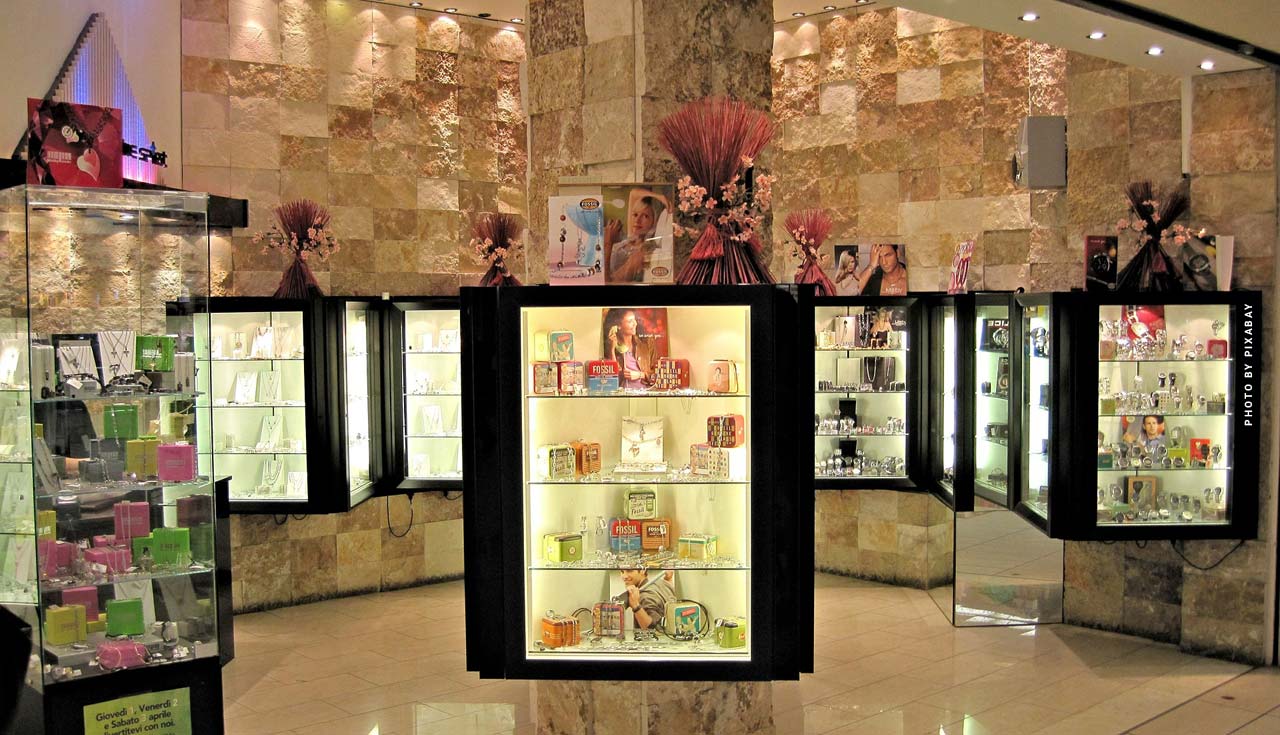
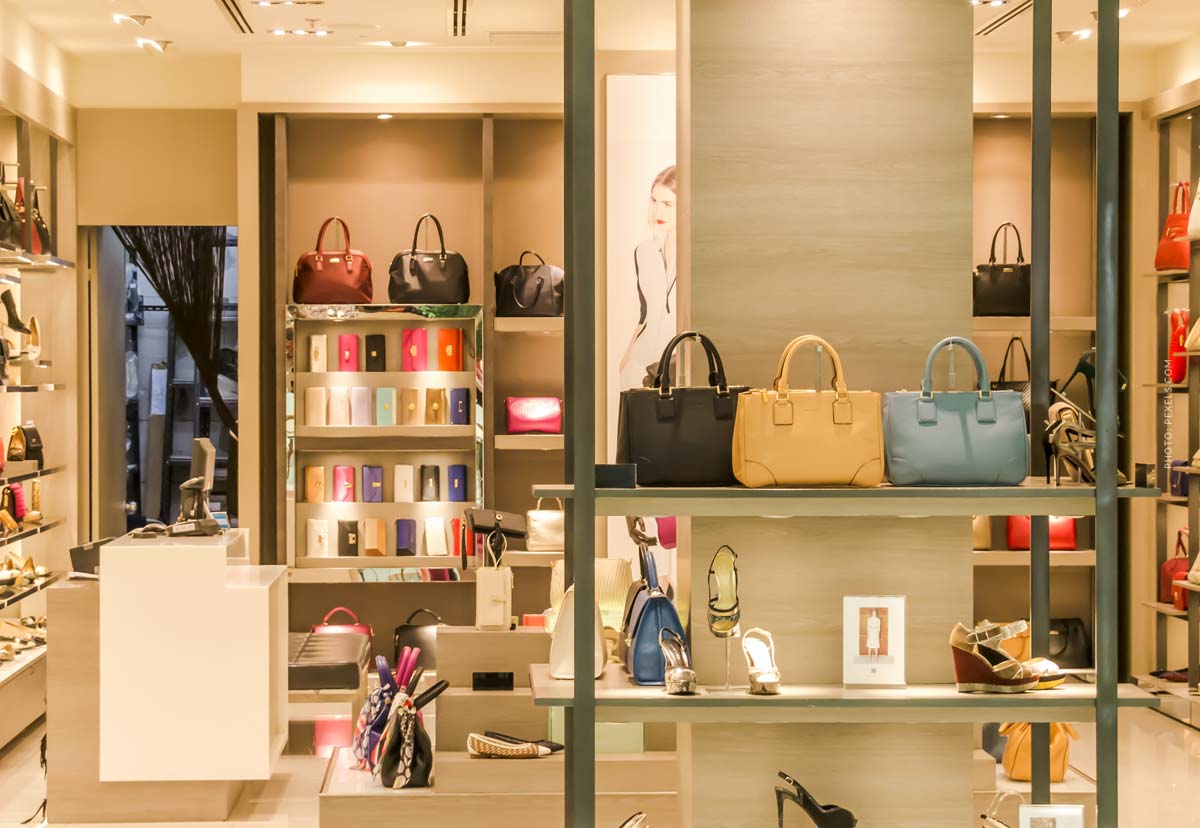
The point of sale (POS) is the most critical moment in the purchasing decision-making process. POS marketing specifically capitalizes on this opportunity to trigger impulse purchases and increase the average basket size. In-store marketing uses visual stimuli, strategically places products, and employs both digital and analog cues to attract attention. Effective POS strategies include optimizing shelf placements—products at eye level are known to sell better—as well as using appealing product packaging and promotional displays. In-store marketing goes one step further by integrating ambient advertising, digital screens, music, and lighting to create an immersive shopping environment. Special offers and limited-time promotions in central locations within the store are particularly effective. The psychological component should not be underestimated: A well-maintained store with friendly staff and clear navigation reduces shopping frustration and increases dwell time. Mobile POS systems also enable flexible promotions and quick adjustments to sales strategies based on real-time data. Successful in-store marketing campaigns combine all these elements into a seamless experience that encourages customers to return.
Special Offers and Promotions: Building Customer Loyalty Through Strategic Pricing
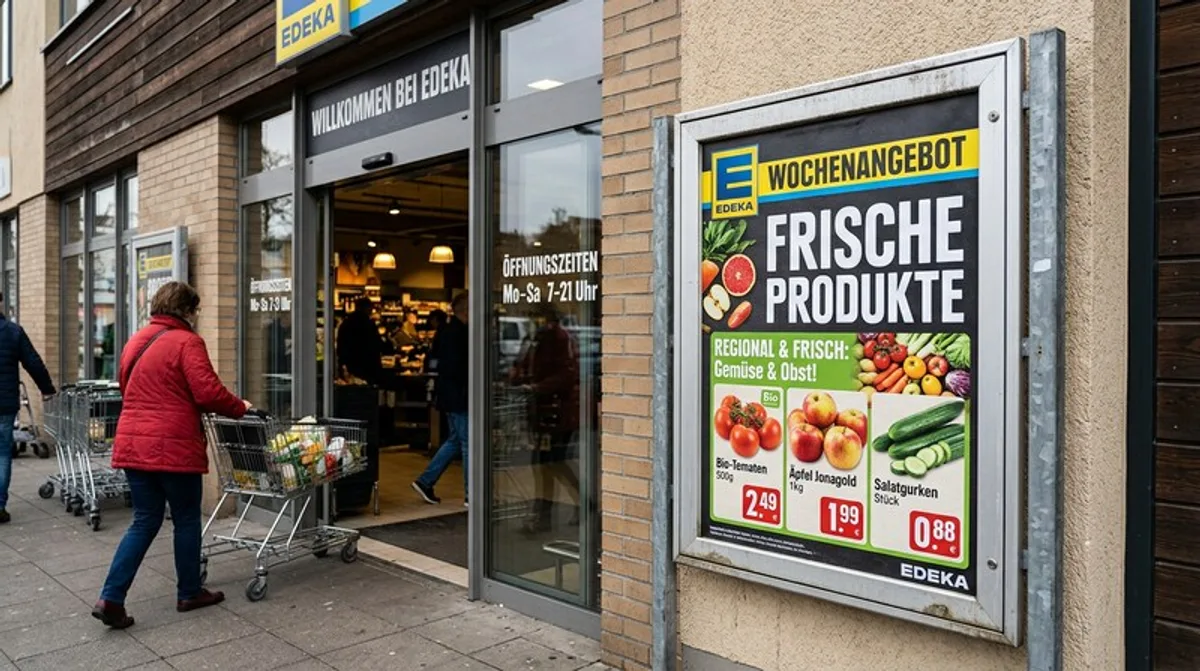
Special offers are a classic tool of retail marketing, but their effectiveness depends heavily on how they are strategically implemented. A well-thought-out special offer policy not only attracts new customers but also strengthens customer loyalty when used specifically for regular customers. The biggest challenge is to avoid lowering prices so much that profit margins are jeopardized, while still making them attractive enough to encourage purchases. Modern retailers use data analytics to understand which products convert best at which price points. Personalized promotions based on customer preferences and purchase history have particularly high success rates. Loyalty programs link special offers with customer retention by providing exclusive discounts to regular customers. Cross-selling and bundling—that is, combining multiple products at attractive prices—increase the average transaction size. Limited-time flash sales create a sense of urgency and encourage impulse purchases. When using special offers in retail, it is crucial to strike a balance between increasing sales and maintaining brand positioning in order to achieve profitable, long-term growth.
Multichannel Strategies: Integrating Online and Offline Channels
The line between online and offline retail is becoming increasingly blurred. Successful retailers no longer think in terms of isolated channels but are developing integrated multichannel strategies. Customers should be able to switch seamlessly between different touchpoints—from a social media post to a store visit, from the website to the mobile app, and on to in-store personal consultation. These omnichannel approaches require uniform product information, a consistent pricing strategy, and seamless logistics. Click-and-collect services, where customers order online and pick up in-store, successfully bridge both worlds. It’s also important that digital campaigns specifically drive traffic to physical stores—for example, through location-based advertising or QR codes that link online content to in-store experiences. Customer data platforms enable retailers to maintain a unified customer profile across all channels and create personalized experiences. Social media plays a key role here: Instagram Shopping, TikTok trends, and Facebook promotions drive traffic to physical stores. A coherent multichannel strategy in retail marketing ensures that customers receive a consistent brand experience, regardless of where they shop—and that is a key success factor for modern retail businesses.
Customer Retention in Retail: Long-Term Strategies for Loyalty
Customer retention is the strategic goal of all retail marketing efforts. It is well known that the cost of acquiring a new customer is significantly higher than that of retaining an existing one. Therefore, every retail strategy should place a strong emphasis on loyalty. Effective customer retention measures begin with excellent customer service—friendly, knowledgeable staff are a key differentiator. Personalization also plays a major role: Customers who feel recognized as individuals are more loyal. This can be achieved through loyalty programs, personalized offers based on purchase history, and direct communication. Regular engagement activities such as workshops, in-store events, or exclusive preview events create emotional connections. Feedback systems show customers that their opinions are valued. Digital touchpoints such as newsletters—filled with high-quality content rather than just sales messages—strengthen the relationship. It is also important to proactively address negative experiences and ensure that complaint procedures are transparent. A consistent brand experience across all channels turns customers into brand ambassadors. Customer loyalty in retail is thus a holistic process that combines strategy, technology, and human factors.
The retail of the future isn’t digital or brick-and-mortar—it’s both at the same time. Retailers who achieve seamless integration between online and offline will be the clear winners. Retail marketing must reflect this reality.
Marketing Expert
Frequently Asked Questions About Retail Marketing
What is the difference between POS marketing and in-store marketing?
POS marketing focuses specifically on the moment of purchase decision at the checkout or on the shelf and uses tactical stimuli such as product placement and signage. In-store marketing is the broader term and encompasses all in-store activities—from lighting and music to employee training. POS marketing is therefore a subset of in-store marketing.
Which ROI metrics should be tracked for retail marketing campaigns?
Key metrics include conversion rate (the ratio of visitors to buyers), average cart size, customer lifetime value, and customer retention rate. Foot traffic analysis, dwell time, and the effectiveness of special offers should also be measured. This data helps to continuously optimize the retail marketing strategy.
How can small retail businesses compete with large chains?
Small retailers should play to their strengths: personal customer relationships, specialization, and community engagement. Through targeted retail marketing on social media, personalized service, and local special offers, they can build strong customer loyalty. Niche positioning and storytelling are also effective tools.
How often should special offers be held to strengthen customer loyalty?
Frequent special offers can lead to customers buying only when discounts are available, causing profit margins to decline. The ideal approach is a balanced model: reward regular customers with exclusive, personalized offers through the loyalty program, while using general promotions seasonally or strategically to attract new customers.
What technologies support effective retail marketing today?
Modern retail marketing technologies include customer data platforms, real-time inventory management systems, mobile POS systems, heat map tracking for store optimization, andmarketing automation tools. AR and VR technologies are also increasingly being used to create immersive shopping experiences.

Cross-Selling and Upselling: Difference, Examples, and Strategy
Distribution Channels: Selection, Types, and Strategy for Optimal Distribution

Private Label: Significance, Strategy, and Competition with Manufacturer Brands

Customer Service in Marketing: Strategies, Channels, and Boosting Customer Satisfaction

Retail: Definition, Trends, and Strategies in Modern Retail

CRM: What Customer Relationship Management Really Does














 4.9 / 5.0