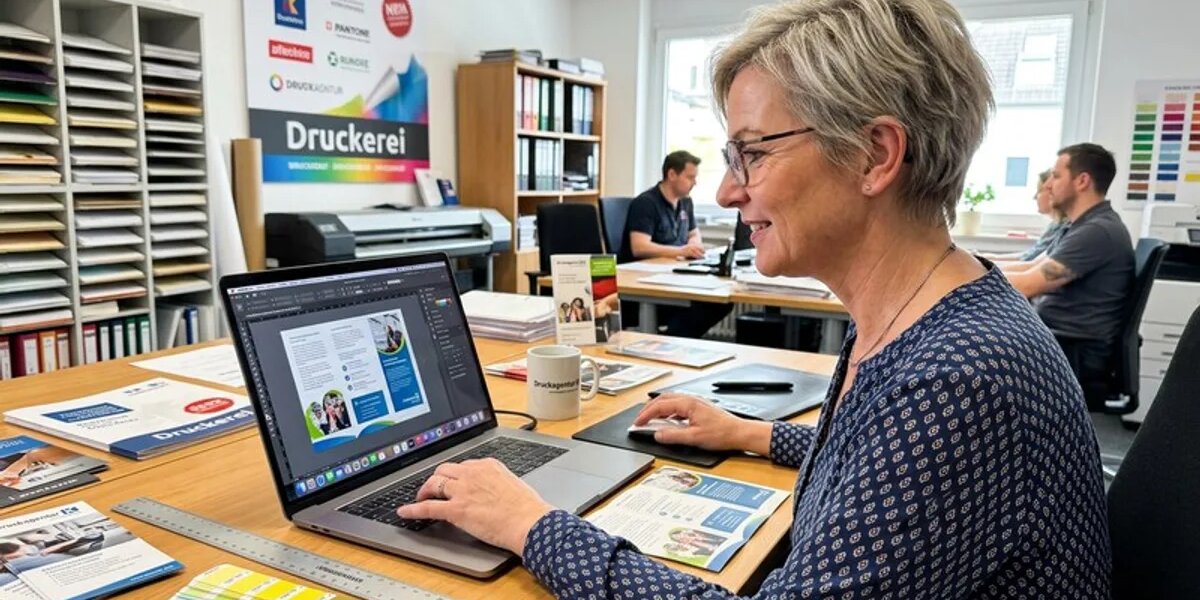
Corporate Print & POS Materials: Brochures, Catalogs, Flyers, and Direct Mail
Physical promotional materials create an impact that digital channels alone cannot replicate: tactile quality, durability, and a presence that cannot be filtered out by an algorithm. Corporate print encompasses all of a company’s printed and physical communication materials.
What Corporate Print Does Today
Printed materials do not rely on an algorithm to determine their visibility. Studies show that information on paper is remembered up to 70 percent better than the same content on a screen. According to industry data, direct mail achieves open rates between 60 and 90 percent, while email campaigns in the B2C sector rarely exceed 25 percent.
The Most Important Corporate Print Formats
Image Brochure
8–24 pages, highlights the company’s philosophy and services
- Product Catalog: A structured overview of the entire product line
Flyers and Brochures
Cost-effective short-form content for promotions, events, and local advertising
POS Materials
Displays, stand-alone displays, and shelf wobblers — boost impulse purchases by 20–30 percent
Direct Mail
Direct mail pieces with customizable content and measurable response rates
- Giveaways and Packaging: Branded Merchandise as a Long-Lasting Brand Ambassador
Production Process: From Concept to Finished Printed Product
A professional print project goes through clearly defined phases. The briefing and concept-development stages determine which message will be conveyed through which format. The design adheres to the corporate design standards. Only then does the print job go into production.
Key Insight: Print materials with consistent branding increase brand recognition by up to 33 percent.
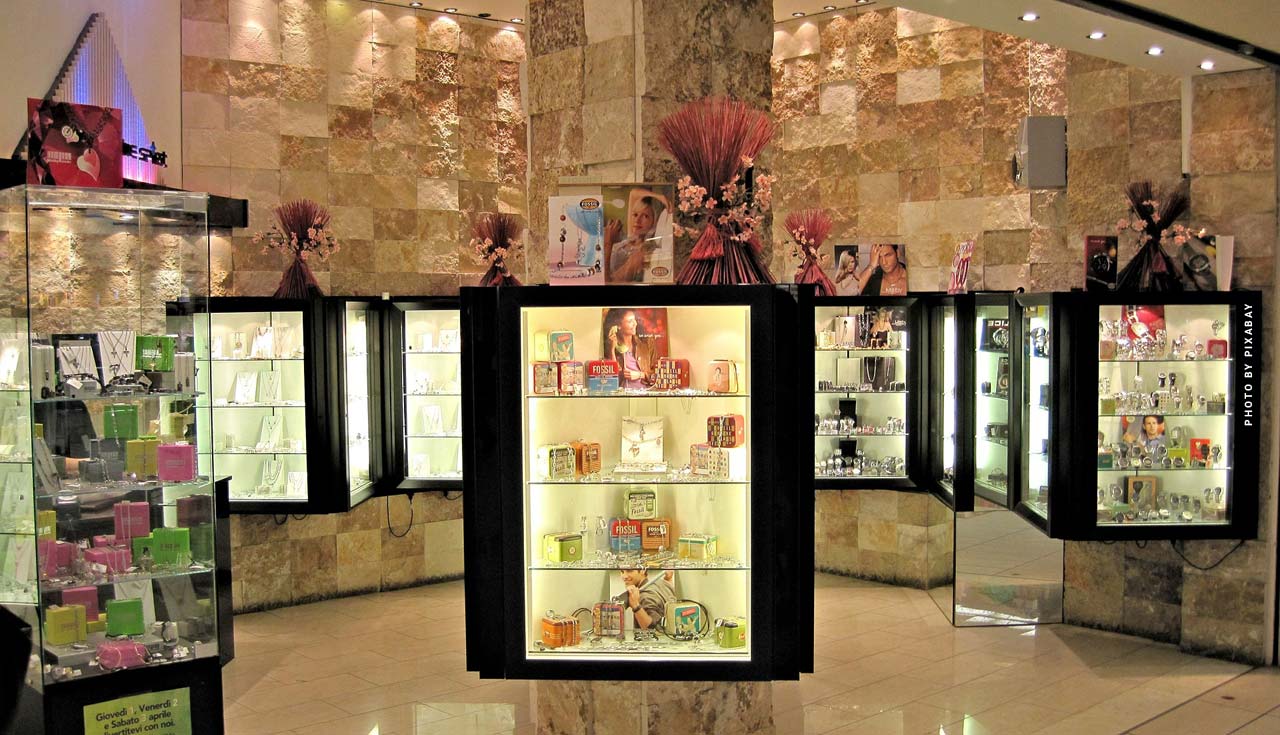
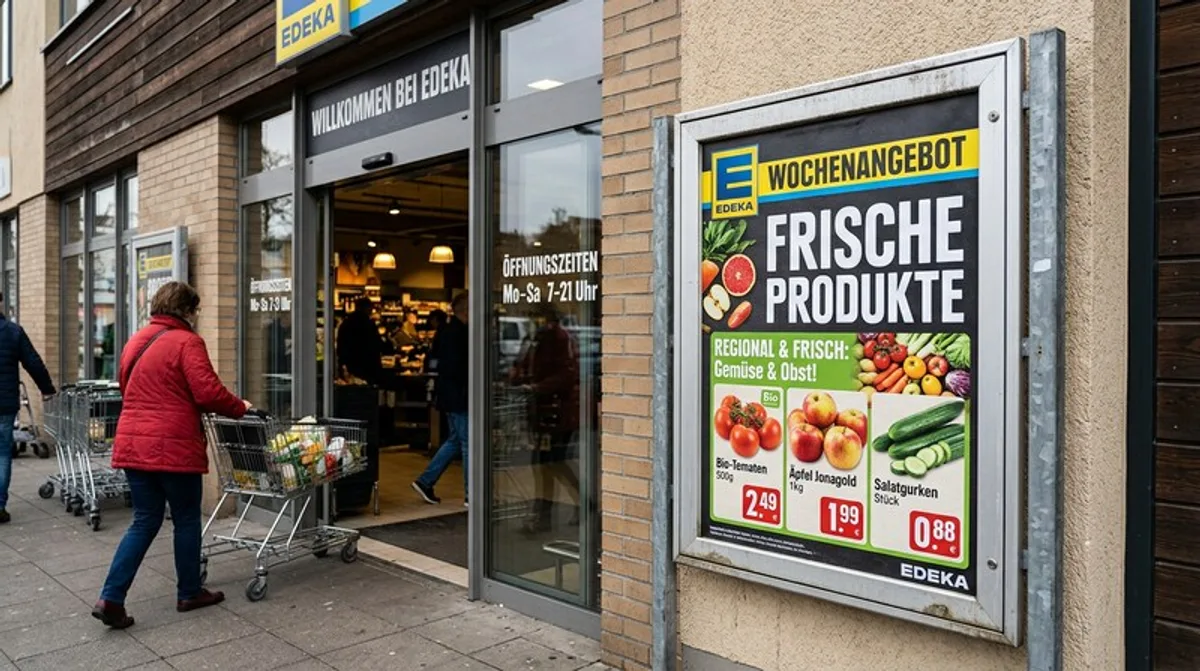
POS Materials: Making an Impact at the Decisive Moment
A shelf display in a grocery store can increase a product’s sales by up to 40 percent if it is positioned and designed correctly. Messages must be understandable in less than three seconds.
In practice, we see that companies often try to communicate too much at the point of sale. A display stand with a clear message and a strong visual anchor beats five crammed-full wobbler displays every time.
Comparison: Print Formats by Cost and Suitability
| Format | Production Costs (1,000 units) | Reach/Impact | Ideal Use |
|---|---|---|---|
| Promotional Brochure (12 pages) | starting at 800 € | High, long-term | Trade Shows, Customer Visits, Onboarding |
| Product Catalog (48 pages) | starting at 2,500 € | Very high, across all product lines | B2B Sales, Specialty Retail, Mailings |
| DIN A5 Flyer | Starting at 80 € | Medium-term, short-term | Events, Promotions, Local Distribution |
| POS Display (Standalone Display) | starting at 350 € | Very high at the point of purchase | Retail, Pharmacies, Restaurants |
| Direct Mail (addressed) | Starting at 600 € (including shipping) | Tall, customizable | New Customer Acquisition, Reactivation |
Conclusion
Corporate print is not a relic, but a strategic tool that plays to its strengths where digital channels reach their limits. Anyone who treats print and digital as separate silos is squandering potential.
How much does a professional corporate brochure cost?
A 12-page promotional brochure with a print run of 1,000 copies starts at around 800 euros for printing and finishing. High-quality finishing options can increase the price by 30–60 percent.
What is the difference between a flyer and a brochure?
A flyer is a single, printed sheet without any folds, while a brochure uses folds to create multiple sections for information. Brochures are suitable for structured information, while flyers are best for quick, concise messages.
Which POS materials are most effective in retail?
Freestanding display materials and counter displays with a single, clear product message generate the highest impulse purchase rates.
Can the impact of print be measured digitally?
Yes. QR codes, UTM-tagged landing pages, dedicated phone numbers, and redemption codes allow for direct measurement of success.
When is a printed product catalog a better choice than a digital catalog?
Printed catalogs are particularly worthwhile in the B2B sector, where product ranges are complex, and for target audiences with lower digital literacy.
Corporate print is most effective when it is part of a comprehensive cross-media marketing strategy. To enhance brand perception in the digital environment, brand awareness initiatives complement the physical presence. Ideally, a communications agency with expertise in print should coordinate these efforts.
Retail Marketing: Strategies, Channels, and Customer Loyalty in the Retail Industry
Brochure: Definition, Benefits, and Use in Marketing

Emotions in Marketing: How Emotional Advertising Influences Purchasing Decisions

Designing a Brochure: Formats, Folding, and Layout

Shared Media: Definition, Meaning and Strategy in the PESO Model

PR Tools: Software for Monitoring, Analysis, and Public Relations








Archetypes in Marketing: The 12 Brand Archetypes According to Carl Jung

Adobe InDesign: Video tutorial for layout, pages and text linking - free tutorial

Customer Service in Marketing: Strategies, Channels, and Boosting Customer Satisfaction

New Customer Acquisition: Online and Offline Strategies for Attracting Customers



 4.9 / 5.0