
POS Marketing: Tools at the Point of Sale
POS stands for Point of Sale and refers not only to the physical or digital location where a purchase decision is made, but also to the entire range of marketing activities that take place precisely there. While the basic definition of “point of sale” as the place where a sale occurs narrows the scope of the term, POS marketing takes it a step further and asks how this moment can be actively shaped.
What tools are part of POS marketing?
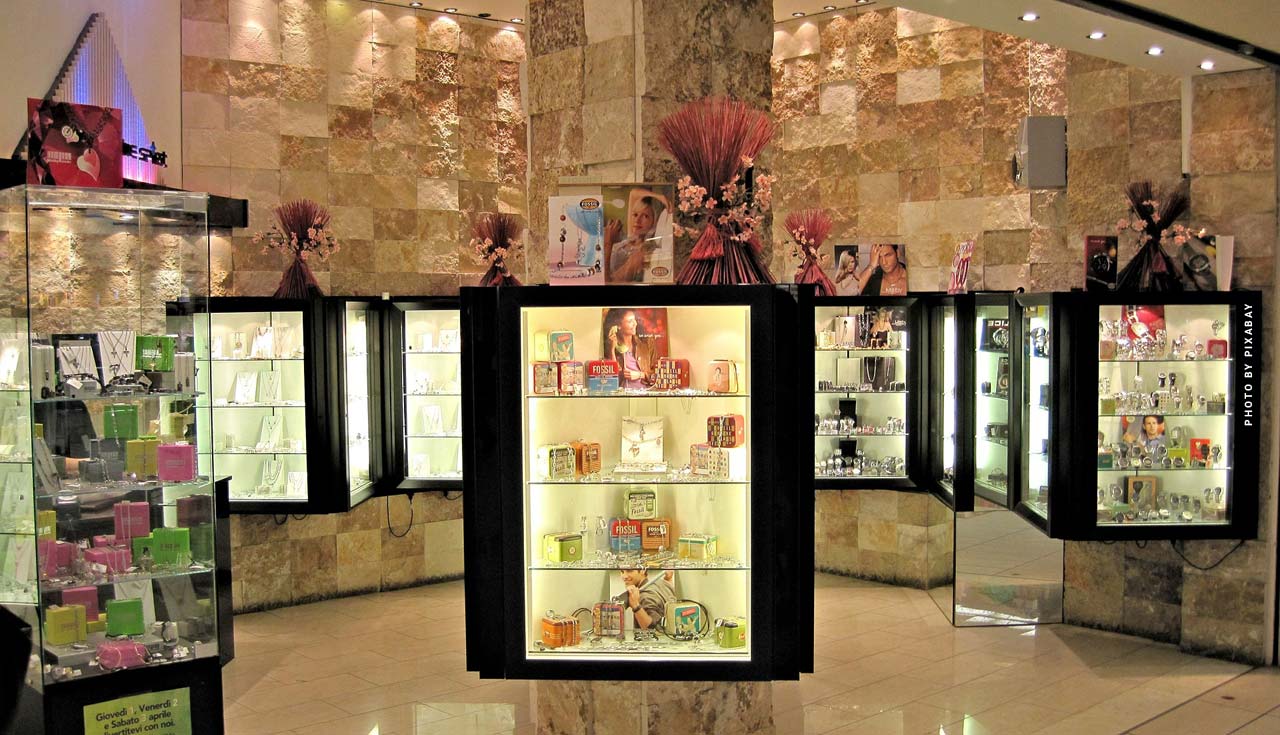
Traditional tools include shelf displays, freestanding displays, sampling stations, price tags with special markings, and, increasingly, digital screens that can automatically adjust their content based on the time of day or inventory levels. All of these tools share the same goal: to draw attention to a specific product in the final seconds before a purchase decision is made.
Practical tip: Always test POS materials at a few locations before rolling them out on a large scale—their impact can vary significantly depending on the store layout and customer traffic.
A display that works exceptionally well in a small downtown store may be completely lost in a large-scale store on the outskirts of town, because customers’ walking paths and lines of sight are completely different there.
- Shelf Displays and Promotional Stands
- Tasting stations at the point of sale
- Digital Displays with Dynamic Content
Print and Digital Materials at the Point of Sale
In addition to digital formats, traditional print and point-of-sale materials such as brochures, flyers, and shelf stoppers continue to play an important role, especially in industries with products that require explanation. In many tests, the combination of physical materials and digital screens yields better results than either format alone.
- Brochures for products that require explanation
- Flyers as supplementary handouts
- A combination of print and digital
POS Marketing in the Mass Market
Especially in the mass market, where competitive pressure is high, the final few meters before the shelf are often what determine a purchase, because many consumers don’t make their final decision between several similar products until they reach that point. POS marketing serves as the final touchpoint here, effectively converting a previously established brand preference into a purchase decision.
- Last point of contact before the purchase
- Choosing Between Similar Products
- Converting Brand Preference into Purchases
Combining POS Marketing and In-Store Media
Those who take a holistic approach to POS marketing combine traditional tools with modern in-store media and digital signage to make content more flexible and up-to-date than is possible with print materials alone. Trends in brick-and-mortar retail as a whole also influence which POS formats are gaining importance.
- Combining Print and Digital Media
- Keep Content Flexible and Up-to-Date
- Monitoring Trends in the Retail Sector
Budgeting and Successfully Planning POS Marketing
The appropriate amount of budget to allocate to POS marketing depends heavily on the product category and retail density: For highly competitive products with high shelf density, more intensive use of POS materials usually pays off faster than in niche categories with little competition. It is important not to view POS budgets in isolation, but to plan them in relation to upstream brand campaigns, since POS marketing activates an existing brand preference but cannot build a completely new brand on the shelf by itself.
- Adjust the budget to the shelf density
- Plan POS Materials in Relation to the Campaign
- Targeted Activation of Existing Brand Preference
POS Marketing Across Various Retail Formats
Not every POS tool works equally well in every retail format: A small specialty store offers different opportunities than a large-scale supermarket or an online store with a digital point of sale. Anyone planning POS marketing across multiple formats should tailor materials and messages to the specific store size, customer foot traffic, and level of consultation, rather than rolling out a single, unmodified concept everywhere.
- Store size affects the choice of suitable instruments
- Take customer traffic into account during planning
- Adapt Concepts to Any Format
Combining POS Marketing with Short-Term Discount Promotions
POS tools often have the greatest impact not on their own, but in combination with a limited-time discount promotion, because an eye-catching display is what makes the price advantage visible in the first place. Without accompanying messaging at the shelf, even an attractive discount simply goes unnoticed by many customers.
Timing is crucial: If the POS materials remain on display longer than the actual promotion, customers will have unrealistic expectations at the register, which will hurt customer satisfaction more than the lost upselling opportunities themselves.
- Displays Make the Price Advantage Visible
- Without communication, the discount goes unnoticed
- Timing between the action and the material
- Unrealistic expectations undermine satisfaction
Manage POS Marketing Across Different Store Types
The effectiveness of POS marketing also depends on whether a store is part of a tightly managed chain or is independently operated. Centrally managed stores typically implement POS strategies more uniformly, while independent locations often have more leeway for local adaptations.
For the overarching brand strategy, this means designing point-of-sale guidelines in such a way that they work in both tightly managed and more independently operated stores without compromising brand recognition.
- Centrally managed branches implement policies more consistently
- Independent locations adapt to local conditions
- Brand strategy must cover both models
- Ensuring Brand Recognition Despite Flexibility
Those who view POS marketing as an ongoing discipline rather than a one-time project regularly adapt their tools, budget, and materials to reflect new insights from the retail sector, rather than continuing to use concepts developed years ago without change.
Retail Marketing: Strategies, Channels, and Customer Loyalty in the Retail Industry

Supermarket Marketing: Shelf Placement, POS, and Retail

Newsletter marketing: agency, strategies, examples & trends included

Cross-media marketing: strategy, advantages and examples

B2B Marketing: Definition, Channels, and the Difference from B2C

Social Media Videos: Reels, Stories, and Formats for Strong Reach















 4.9 / 5.0