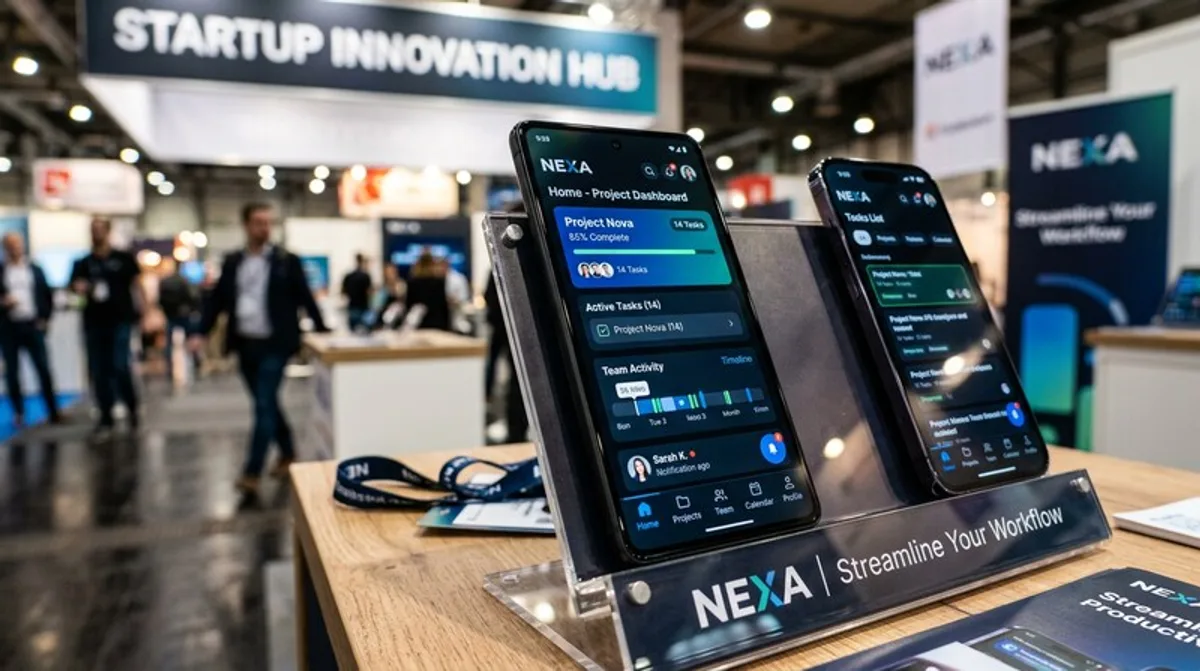
Shopping Event: How Brands Use Events to Create Shopping Experiences and Drive Sales
Clicking “Buy” takes just a moment—but what sticks in your memory? Brands seeking lasting customer loyalty and genuine enthusiasm are increasingly turning to shopping events: experiences that blend shopping and enjoyment into a single, unforgettable moment. It’s no longer just about discounts, but about brand worlds, emotions, and community.
Definition
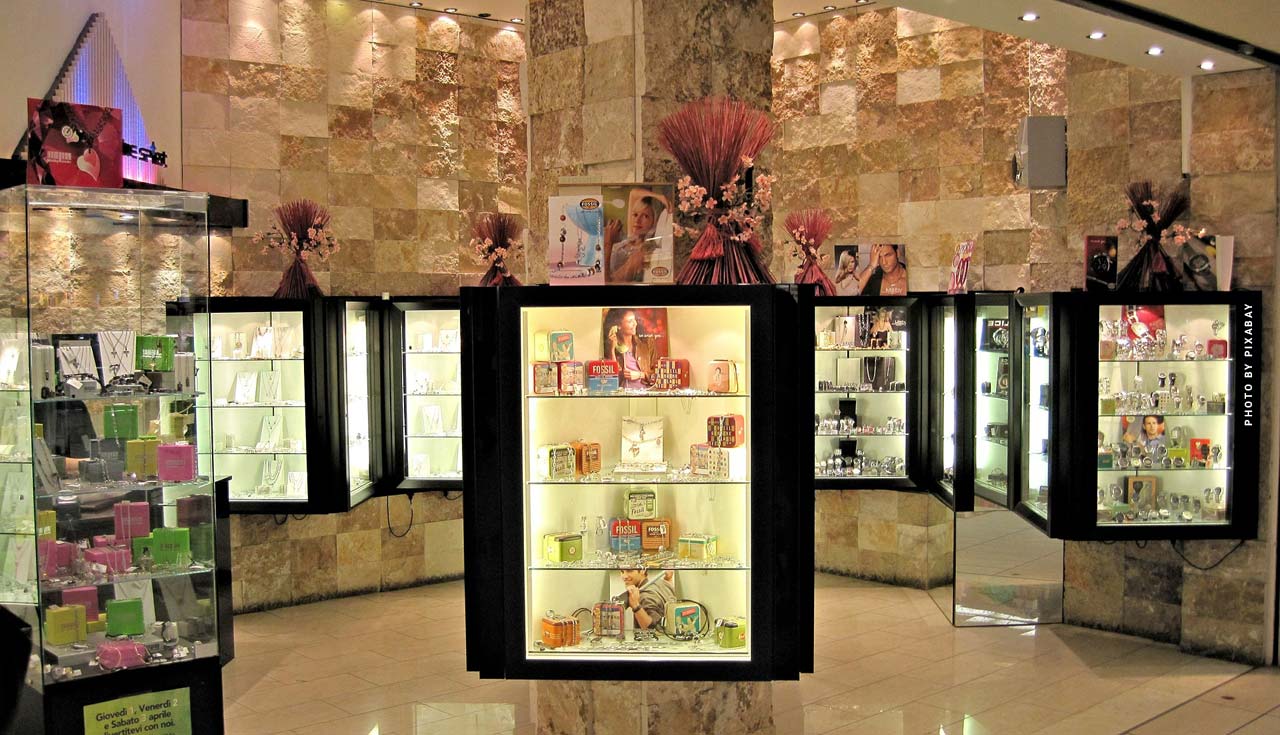
Here’s what it’s all about:
- A Brief Definition of a Shopping Event
- From Concept to Marketing Practice
- Relevance for Brands and Campaigns
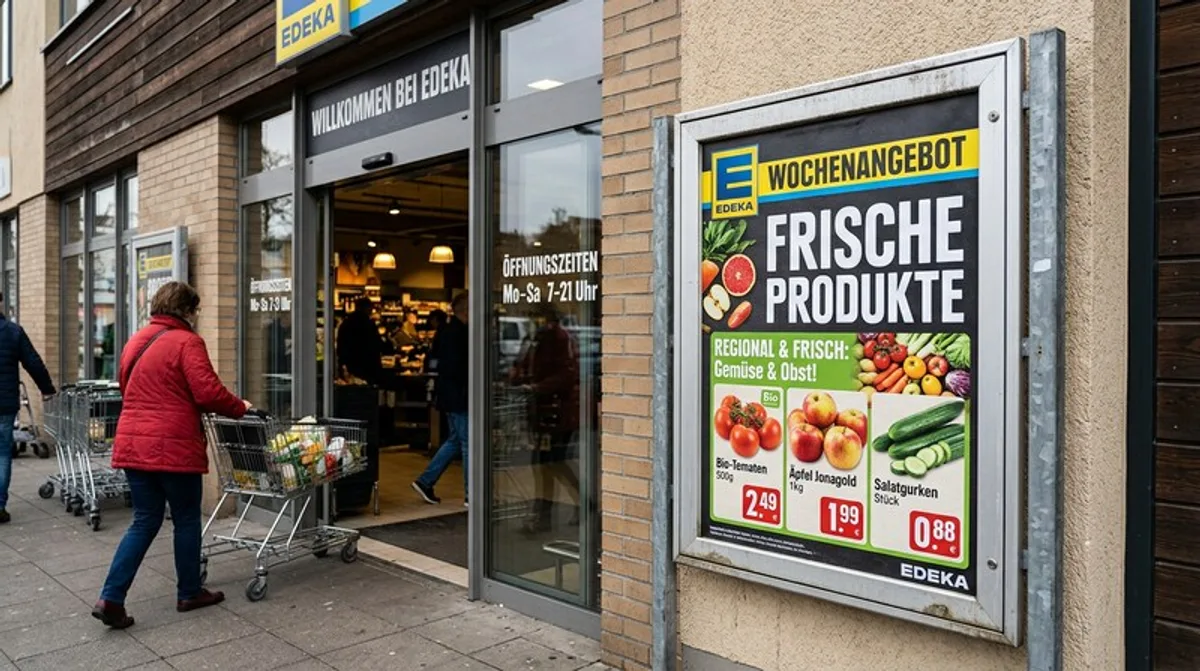
A shopping event is a time-limited, staged sales event that goes beyond the mere act of a transaction. It combines commercial goals—such as generating revenue, acquiring new customers, and clearing inventory—with experience-oriented elements like atmosphere, exclusivity, community, and entertainment. Shopping events come in physical, digital, and hybrid forms and are now an integral part of modern retail marketing. They differ fundamentally from traditional promotions, as the focus is on the experience rather than the price.
| Aspect | Description |
|---|---|
| Format | Pop-up Store, Flagship Event, Sample Sale, Trunk Show, Live Shopping, Brand Activation |
| Duration | By the hour or for several days, often for a limited time to create a sense of exclusivity |
| Target Audience | Existing customers, new customers, community members, influencers, press |
| Platform | Physical (store, trade show, public space), digital (Instagram, TikTok, proprietary app) |
Key Features of a Shopping Event
Three key characteristics distinguish a shopping event from an ordinary sales day: time constraints, staging, and the experiential dimension. The time limit creates psychological pressure—if you don’t buy now, you’ll miss out. The staging encompasses everything from the visual presentation to music and scent, right down to the selection of guests. Finally, the experiential dimension ensures that the visit can be recounted as a story—in personal conversations and on social media. If even one of these three elements is missing, an event quickly becomes nothing more than a well-decorated promotional campaign with no lasting impact.
Distinction: Pop-up Store vs. Flagship Event vs. Live Shopping
There are significant differences within the “shopping event” category. A pop-up store is a temporary physical retail space, usually located in downtown areas or at markets, that deliberately emphasizes its temporary nature. A flagship event, on the other hand, is a lavishly staged large-scale event with a guest list, press coverage, and a clear brand message—think of Nike in New York or Chanel in Paris. Live shopping, on the other hand, takes place entirely online: a host presents products in a livestream, and viewers can ask questions in real time and make purchases directly. Each of these formats has its own logic, its own budget, and its own target audience—and they are by no means mutually exclusive.
Implications for Brands
Keep in mind:
- Shopping events strengthen your brand and customer loyalty
- Direct impact on brand awareness and conversion
- Long-term development always pays off
Shopping events are much more than just sales promotion efforts. They create touchpoints that digital advertising simply cannot provide: physical proximity, sensory experiences, and social interaction. For brands, they offer the opportunity to bring values, aesthetics, and brand personality to life—and thereby create a connection that goes beyond the purchase. At the same time, events provide valuable data on customer behavior, product interest, and target audience preferences.
An Experience Instead of a Discount
While traditional discounts can erode a brand’s value over the long term, shopping events strengthen the brand image. Customers aren’t paying less—they’re getting more. A sample sale featuring a curated selection, an exclusive atmosphere, and personalized advice feels like a privilege, not a bargain bin event. This psychological difference is crucial for customer perception and loyalty.
Community and Belonging
Shopping events foster a sense of community. Trunk shows for loyal regular customers, exclusive pre-sales for newsletter subscribers, or brand flagship events with guest lists—all of these convey a sense of belonging to a community. This community aspect is particularly essential for premium brands and direct-to-consumer (DTC) brands, as it stimulates organic word-of-mouth and user-generated content (UGC).
Data & Measurability: What Events Really Deliver
Beyond the emotional value they provide, shopping events offer a wealth of measurable insights. Which products do customers touch first, what questions do they ask, and at what price points do they hesitate? In a brick-and-mortar setting, this information can be gathered through trained staff and observation; in a digital setting, through heat maps, click data, and chat histories. Brands like Zalando and About You systematically use their event data to inform product assortment decisions for the following quarter. According to a study by Freeman, brands that integrate events into their data strategies achieve up to 23% higher customer retention rates than those that view events in isolation.
Strategic Deployment
Here’s how it works:
- Clearly Define Your Goals Before You Start
- Integrate the shopping event strategically into the marketing mix
- Test, measure, and continuously optimize
The strategic use of shopping events depends heavily on brand strategy, budget, and target audience. Local pop-up stores are ideal for DTC brands that want to test a physical presence for the first time—without the long-term commitment of a lease. National or international flagship events, such as product launches in major cities, generate PR reach and media attention that extends far beyond the event itself.
Digital shopping events on Instagram Live or TikTok Shop transcend geographic boundaries and enable real-time interaction with thousands of viewers simultaneously. In the Asian market in particular, livestream shopping has already reached multi-billion volumes—a trend that is only now taking hold in Europe. Global mega-events such as Singles’ Day (11/11), Black Friday, and Amazon’s Prime Day, for their part, operate according to event logic: with countdowns, exclusive offers, limited-time drops, and a staged sense of urgency that goes far beyond a simple discount.
Planning & Timing: When Events Have the Greatest Impact
The timing of a shopping event is no coincidence—it’s a strategic decision. Seasonal milestones like Christmas, Valentine’s Day, or the start of the school year naturally boost the desire to shop—and an event during this period further amplifies that impulse. Product launches are equally effective as event occasions: Instead of quietly listing a new product in the store, a brand turns the launch into an experience with a countdown, limited early access, and exclusive packaging for event participants. The so-called pre-event build-up is crucial here: teasers on social media, waitlists, and invitations should begin at least two to four weeks before the event to generate anticipation and a sense of exclusivity.
Step-by-Step: Planning a Shopping Event
Planning a successful shopping event follows a clear sequence. First: Define the goal—is the primary focus on sales, acquiring new customers, brand value, or data collection? Second: Choose a format that aligns with the budget, target audience, and brand personality. Third: Plan the execution—venue, atmosphere, program, guest list, and accompanying content strategy for social media. Fourth: Incorporate exclusivity—limited-edition products, early-bird perks, or VIP access significantly increase perceived value. Fifth: Don’t forget the follow-up—follow-up emails, UGC evaluation, and data analysis are just as important as the event itself. Brands that systematize this process can turn a single event format into a scalable machine for customer loyalty.
Common Mistakes at Shopping Events
The biggest mistake is treating a shopping event as nothing more than a clearance sale. If you simply offer discounts in a pretty setting, you’re squandering the event’s true potential. A lack of exclusivity is just as problematic: if anyone and everyone can come, no one feels special. Another classic mistake is a lack of content strategy—the event may end in four hours, but the photos and videos should continue to make an impact on social media for weeks to come. Finally, many brands underestimate the logistics: overcrowded rooms, excessively long lines, and overwhelmed staff can ruin even the best staging. Those who recognize and avoid these pitfalls already have a decisive edge over the competition.
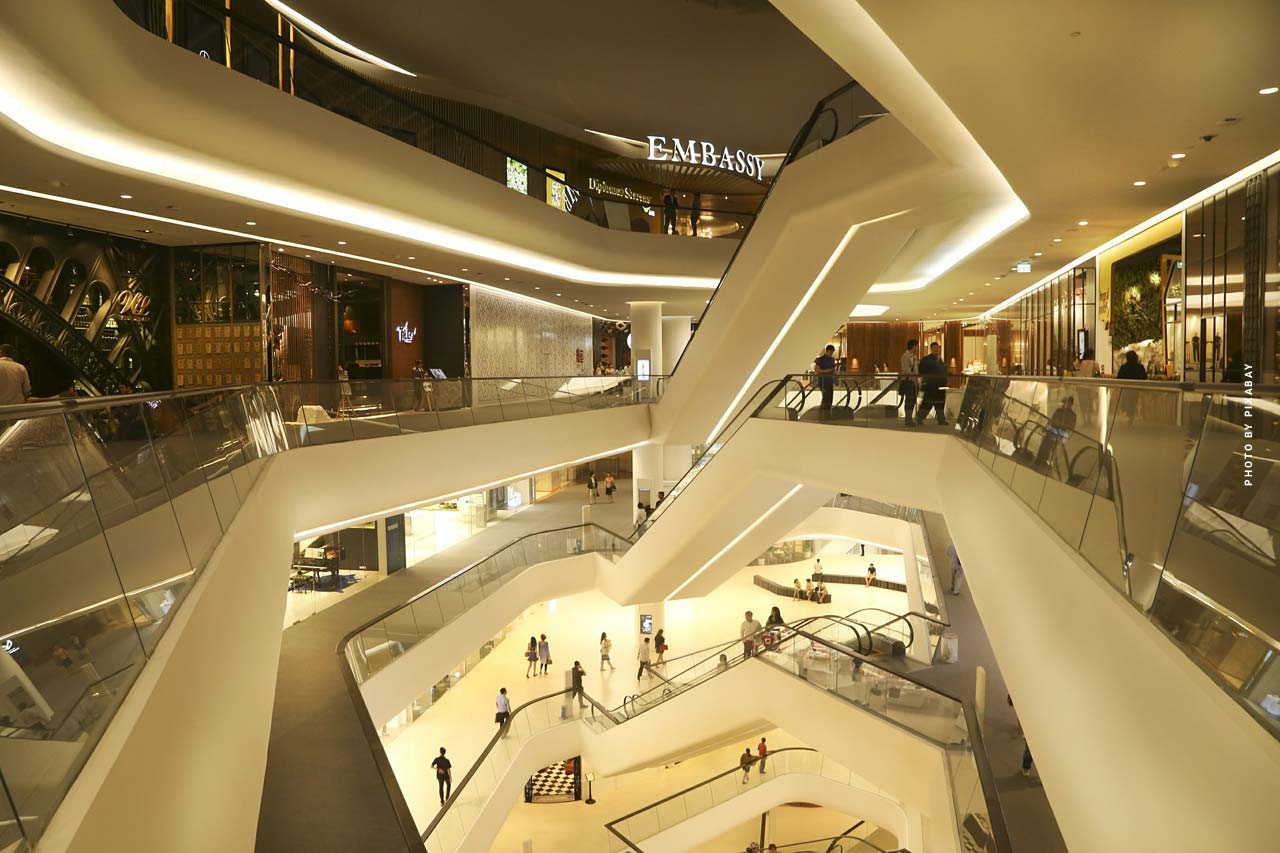
Best Practice Examples
The most important thing:
- Leading brands prioritize consistency
- The courage to be different pays off
- Define measurable KPIs from the very beginning
Nike is a master of flagship brand events: pop-up experiences in major cities combine product showcases with sports activations, artist collaborations, and community runs. Apple, on the other hand, turns its product launches into global shopping events—complete with lines, live streams, and media hype that elevate the act of purchasing to a cultural phenomenon. In the luxury segment, Louis Vuitton relies on trunk shows for VIP customers, where unreleased collections are presented exclusively—making purchasing a social privilege. In the DTC sector, Glossier demonstrates how pop-up stores become community events: people come not just to shop, but to see, take photos, and feel like they belong. TikTok Shop events featuring creator collaborations reach millions in real time and combine entertainment with direct checkout.
According to a study by Eventbrite, 78% of millennials say they prefer to spend money on experiences rather than products—shopping events combine both.
Nike & Glossier: In-Person Events as Brand Moments
With its House of Innovation stores in New York, Paris, and Shanghai, Nike demonstrates how physical spaces can become permanent shopping events: personalized product areas, digital interaction points, and exclusive member offers come together to create an experience that keeps customers coming back. Glossier, on the other hand, has proven with its pop-up tours through U.S. and European cities that even a purely digital brand can benefit from in-person encounters. The lines outside the Glossier pop-ups became viral content in their own right—a sign that the event had already served its purpose before the first person even bought a lipstick.
TikTok Shop & Live Commerce: The Digital Event Model
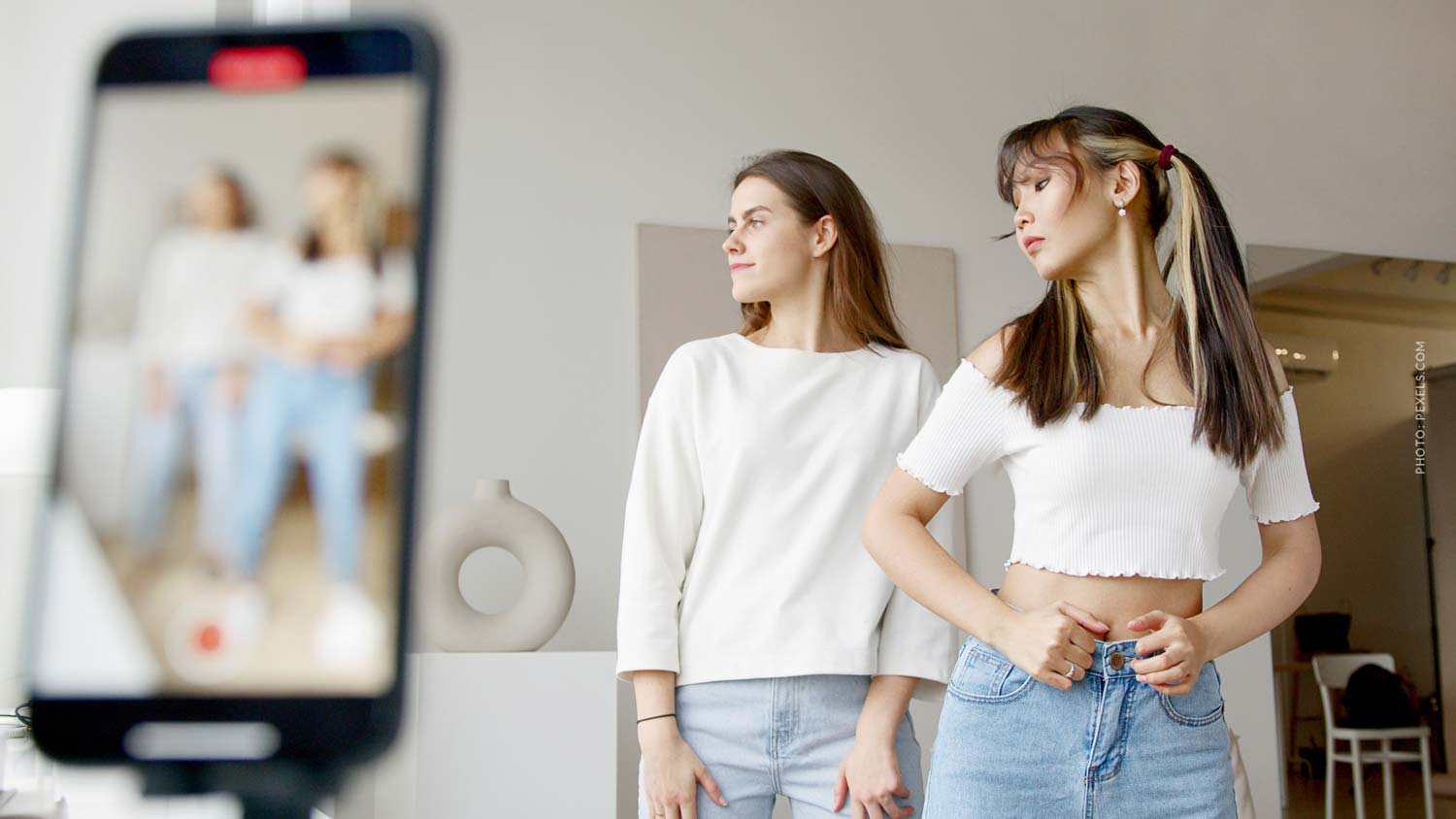
In China, livestream shopping—through platforms such as Taobao Live—has reached an annual transaction volume of over 500 billion U.S. dollars. In Europe, this model is still in its infancy but is rapidly gaining momentum. TikTok Shop combines creator reach with direct checkout—a shopping event that requires no travel but creates the same sense of urgency as an in-store event. Brands such as H&M, Douglas, and Adidas have already held their first livestream events in Germany, achieving conversion rates that are significantly higher than the average for traditional display advertising. The key: an entertaining host, a clear time frame, and an exclusive offer available only during the stream.
Conclusion
- Shopping events are indispensable in modern marketing
- Think strategically, implement consistently
Shopping events aren’t just a short-term trend—they represent a structural shift in retail marketing. They address a core question modern consumers ask: Why should I buy—and why from you? The answer lies not in price, but in the experience, the community, and the story a brand tells. Whether it’s a local pop-up, an international flagship launch, or a viral TikTok shopping event—those who strategically use events today are investing not only in revenue but also in relevance. And relevance is the hardest currency in today’s competitive landscape.
What is the difference between a shopping event and a discount promotion?
A discount promotion lowers the price, while a shopping event creates an experience. While discounts often put pressure on profit margins and brand image, events strengthen emotional loyalty and perceived brand value—without necessarily relying on price cuts.
What are the different formats for shopping events?
The most common formats include pop-up stores, brand flagship events, sample sales, trunk shows, live digital shopping streams on Instagram or TikTok, and curated community events for loyal customers or newsletter subscribers.
How do local and national shopping events differ?
Local events offer personal connection, direct customer feedback, and community building within a region. National or international events generate media attention and PR reach, and are well-suited for brands seeking broad visibility and a national or international presence.
How do digital shopping events work?
Digital shopping events are usually livestreamed on social media platforms such as Instagram and TikTok or on a brand’s own shop interface. Creators or brand ambassadors showcase products in real time, and viewers can buy, comment, and share directly—which creates a sense of social urgency and leads to high conversion rates.
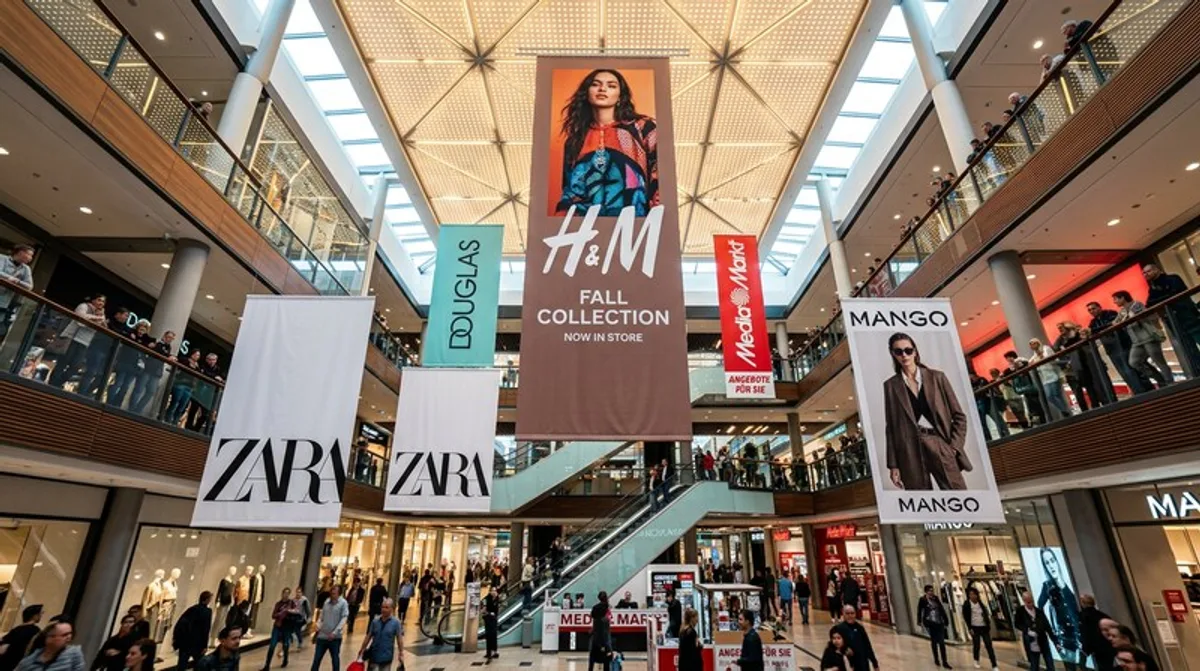
Singles' Day: The World's Largest Shopping Event and What Brands Can Learn From It

Webinars: B2B Leads, Live Formats, and the Perfect Structure
Cross-Selling and Upselling: Difference, Examples, and Strategy

Shared Media: Definition, Meaning and Strategy in the PESO Model

PR Tools: Software for Monitoring, Analysis, and Public Relations
Sentiment Analysis: Definition, Methods, and Applications in Marketing








 4.9 / 5.0