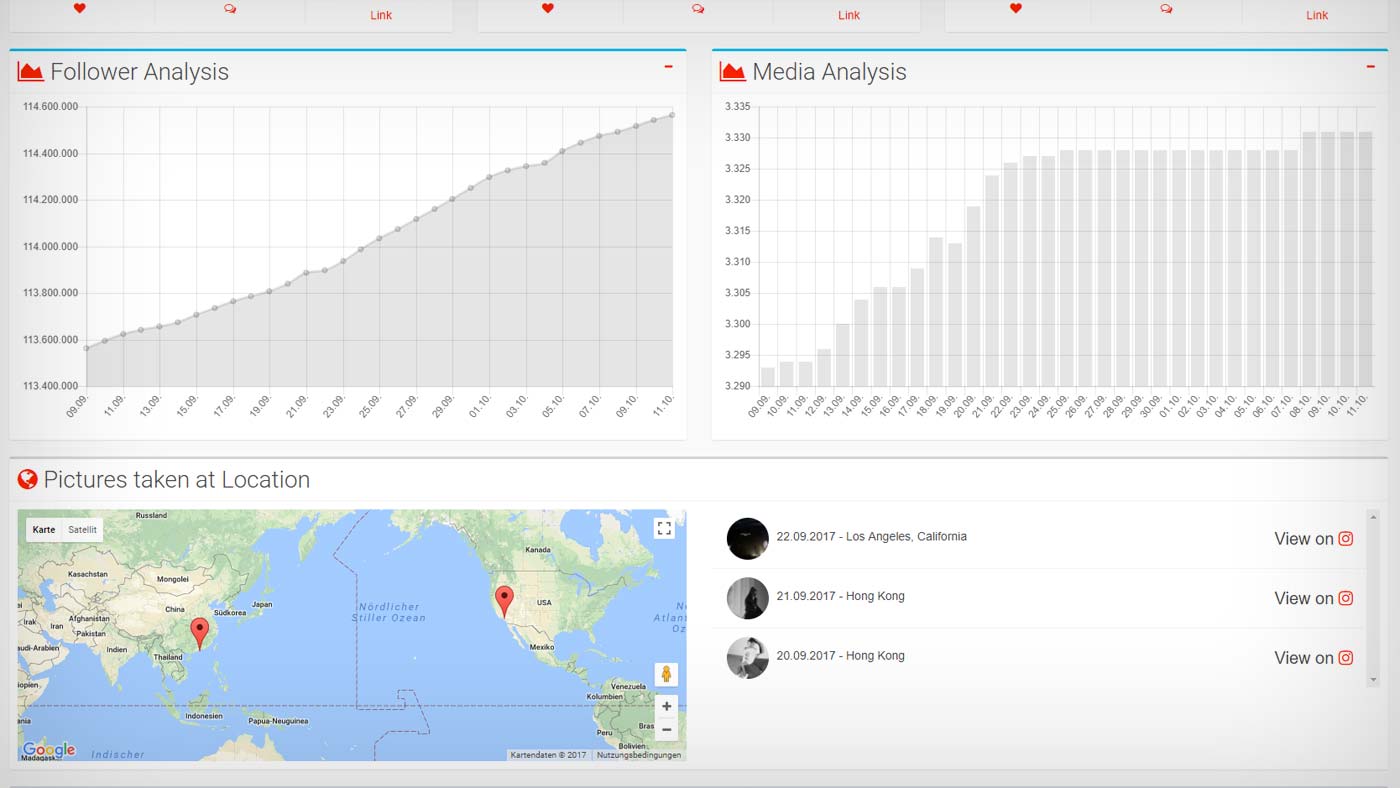
The Creator Economy: Monetization, Platforms, and What Brands Need to Know Now
The creator economy has evolved from a niche phenomenon into a full-fledged industry that is transforming brands, platforms, and consumers alike. According to estimates, the global creator economy comprises more than 200 million active creators worldwide—with a total market value of over 100 billion U.S. dollars.
What Sets the Creator Economy Apart from Traditional Media
Traditional media is editorially driven, while creator content is personal. The key difference lies not in reach, but in trust. While a magazine article is perceived as information, a creator’s recommendation is seen as personal advice. This directly impacts purchase intent and conversion.
Engagement is the currency of social media marketing—this infographic shows how platform strategy, content, and audience building work together.

Formats and Channels at a Glance
- Short videos (Reels, TikTok, YouTube Shorts): highest organic reach
- Long-form content (YouTube, podcasts): deeper engagement, higher purchase intent
- Newsletters and Substack: Direct Access Without Relying on Algorithms
- Live Formats (Twitch, Instagram Live): Real-Time Community Engagement
Social Commerce (TikTok Shop, Instagram Shopping): Direct Purchase Path Within Content
Comparison of Reach, Prices, and Benchmarks
| Creator Type | Followers | Engagement Rate | Price per Post |
|---|---|---|---|
| Nano Creator | 1,000 – 10,000 | 5–8% | Starting at 100 euros |
| Micro Creator | 10,000 – 100,000 | 3–6% | 500–3,000 euros |
| Mid-Tier Creator | 100,000 – 500,000 | 2–4% | 3,000 – 15,000 euros |
| Macro Creator | 500,000 – 1 million | 1–2.5% | 15,000–50,000 euros |
How Creators Make Money in the Creator Economy
The monetization models in the creator economy are more diverse than many brands realize. In addition to traditional brand deals and partnerships with companies, creators earn money through platform ads (YouTube AdSense, TikTok Creator Fund), subscriptions (Patreon, Substack), merchandise, their own courses, affiliate links, and live shopping.
For influencer marketing strategies, this means that creators today are entrepreneurs, not advertising vehicles. Collaborations work better when they fit into the creator’s existing content ecosystem and offer the creator genuine added value for their community.
How Brands Are Capitalizing on the Creator Economy
The most effective approach is the so-called “Creator-as-Media” model: Creators are no longer treated as one-time advertising vehicles, but are integrated into the marketing mix as a permanent media channel. This includes “always-on” partnerships that continuously build reach, as well as whitelisting strategies in which creator content is used as the foundation for paid social campaigns.
Another lever is content marketing: Brands collaborate with creators to produce content that is distributed both organically and through paid channels. This lowers CPMs while simultaneously increasing the authenticity of brand communication. In the B2B segment, employer branding through creators offers an additional lever for talent acquisition and brand perception.
“In the creator economy, the best brand ambassadors aren’t paid influencers—they’re real users with real reach and the genuine trust of their community.” — Social Media One, Strategy Team
What exactly is the creator economy?
The Creator Economy refers to the economic ecosystem surrounding content creators who produce content on digital platforms and earn money from it—through brand deals, platform monetization, subscriptions, and their own products.
Is the creator economy also worthwhile for B2B companies?
Yes, especially on LinkedIn, new creator formats are emerging for specialized content, thought leadership, and employer branding—all of which are highly relevant to decision-makers.
How much do creators earn in the creator economy?
That depends heavily on the niche, platform, and number of followers. Nano creators often start at 100 euros per post, while top creators earn five-figure sums per collaboration.
How does the creator economy differ from traditional influencer marketing?
“Creator Economy” is the umbrella term for the entire economic ecosystem. Influencer marketing is a sub-strategy within this ecosystem.
Which platforms dominate the creator economy?
YouTube, TikTok, Instagram, and Substack are currently the strongest platforms. TikTok is growing the fastest, while YouTube offers the most stable long-term monetization.

Increasing Reach: The Most Important Leverage Points for Each Channel

Influencers in Marketing: How Brands Use Influencers to Expand Their Reach

More Likes on Social Media: What Really Leads to More Engagement
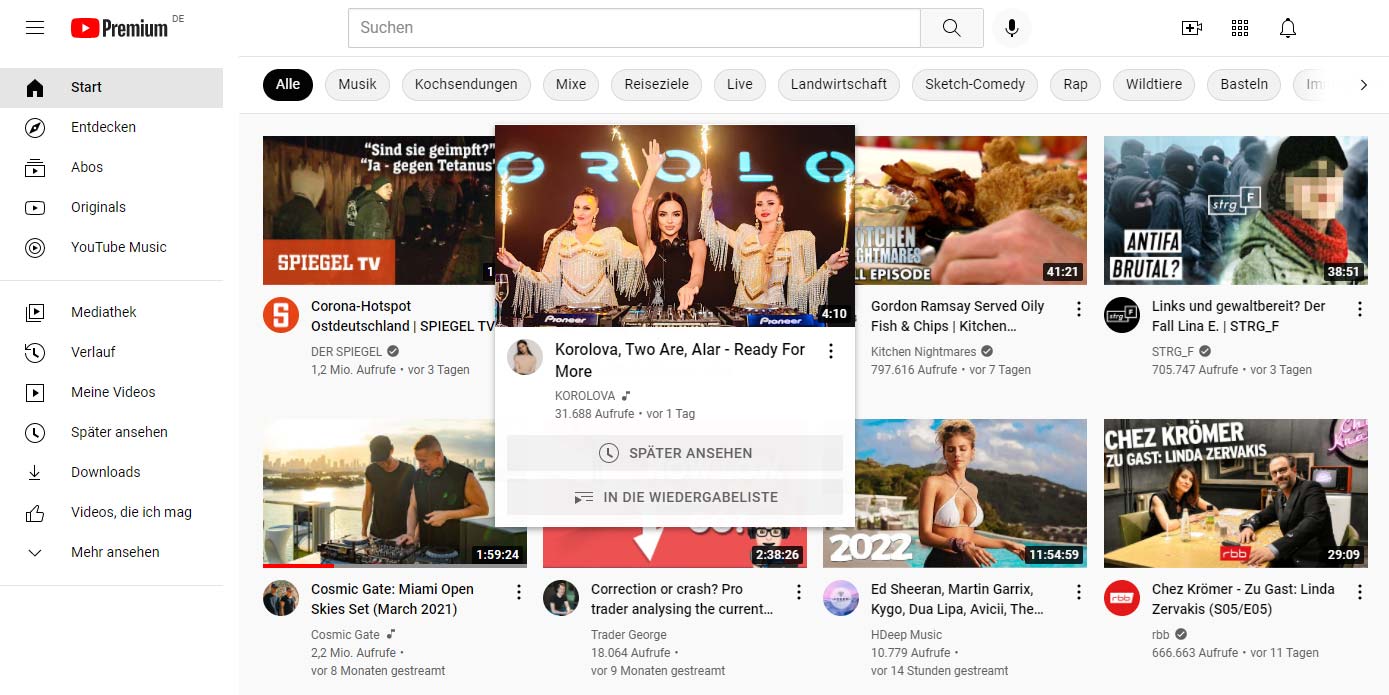
YouTube Streaming in Marketing: Live Events, Product Launches, and Community Building
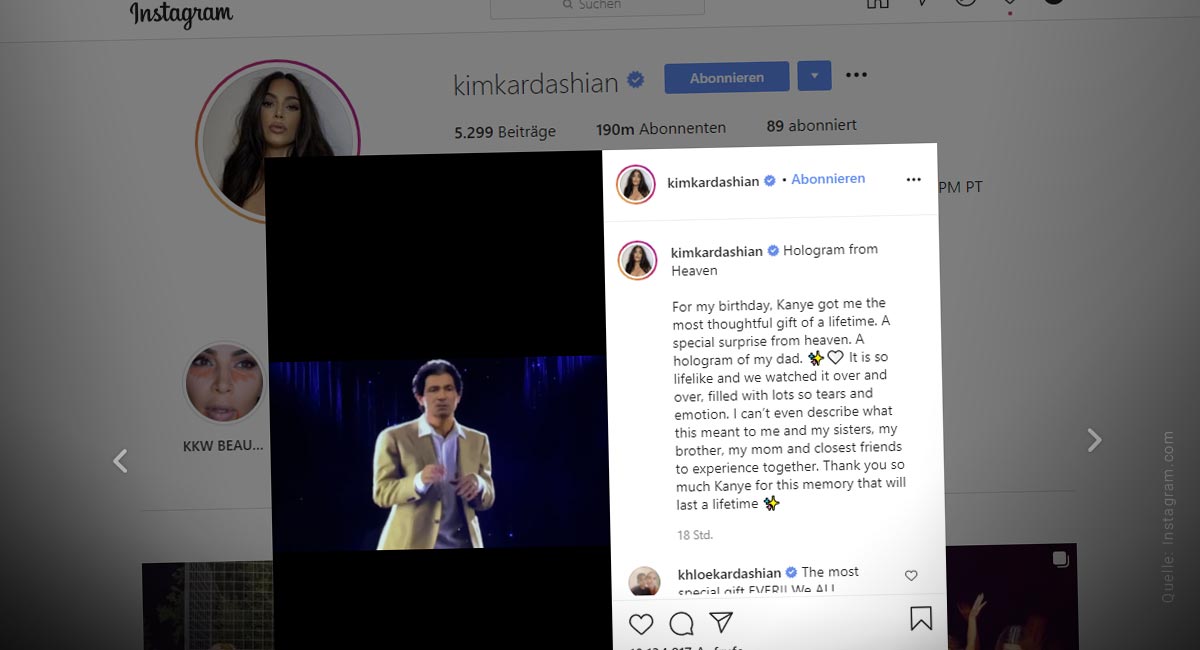
Live Commentary in Marketing: Real-Time Community Engagement

Developing a Social Media Strategy: Case Study on Product Reviews and ABC Analysis








 4.9 / 5.0