
DOOH: Digital Out-of-Home Advertising, Programmatic DOOH, and Digital Outdoor Advertising
For decades, advertising in public spaces was synonymous with static paper posters on advertising columns and at bus stops. With DOOH—Digital Out-of-Home advertising—this has changed fundamentally: Digital screens,real-time targeting, and programmatic booking now make outdoor advertising as measurable and controllable as digital channels on the web.
What is DOOH — Digital Out-of-Home Advertising?
DOOH stands for Digital Out-of-Home and refers to all digital advertising formats in public spaces: LED screens at train stations, digital billboards on urban highways, displays in shopping centers, interactive kiosks in pedestrian zones, and screens in waiting areas.
Difference Between OOH and DOOH
Traditional out-of-home (OOH) advertising uses static images that remain unchanged in one location for weeks. DOOH, on the other hand, enables dynamic content, the rotation of multiple images, real-time updates, and data-driven delivery.
An Overview of Typical DOOH Formats
Large-Format Digital Displays (DG18)
Vertical LED displays along heavily trafficked streets and intersections
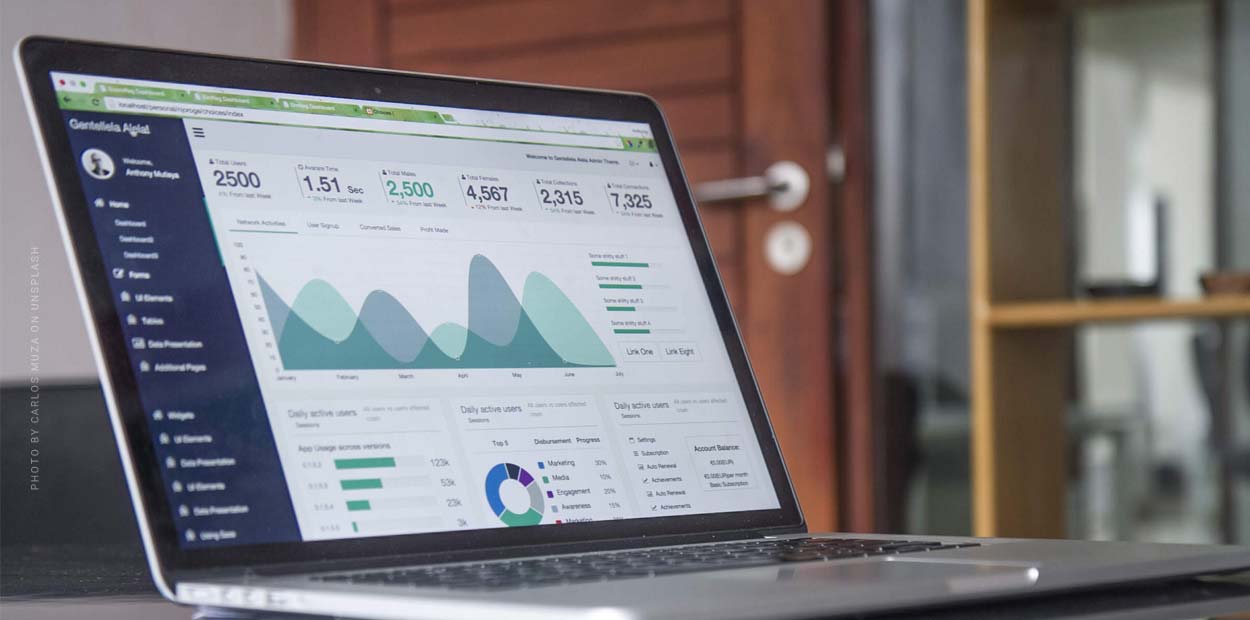
Precise targeting is the key to effective social media advertising—this infographic explains audience segmentation and ad optimization.

- City Light Boards (CLB): Illuminated displays at bus stops and subway stations
- Shopping Center Screens: In-Store Displays Right at the Point of Sale
- Airport and Train Station Screens: High-Quality Environments for Premium Target Audiences
- Interactive Kiosk Systems: Touchscreens for Direct Interaction and Lead Generation
- Mobile DOOH: Screens on buses, taxis, and delivery vehicles
- Indoor DOOH: Displays in gyms, doctors’ offices, hotels, and restaurants
Programmatic DOOH: Data-Driven Outdoor Advertising in Real Time
Programmatic DOOH (pDOOH) applies the principles of programmatic online advertising to outdoor advertising. Instead of manually booking ad spaces, impressions are purchased automatically through DSPs.
Audience Targeting
Targeting based on anonymized location data and demographic profiles
- Contextual Targeting: Weather-based, time-of-day, or event-based ad targeting
Geofencing
Precise geographic targeting of city neighborhoods, shopping streets, or a store’s catchment area
Frequency Control
Track how often a motif is played per hour or per day
Retargeting Integration
Linking DOOH Contacts to Digital Retargeting Campaigns via Mobile ID Matching
Real-Time Bidding (RTB)
Automatic purchasing of available ad space at the optimal price
DOOH isn’t just a replacement for billboards—it’s a full-fledged performance channel that boosts brand awareness and conversions at the same time. With programmatic buying, you only pay for the impressions that really matter.
DOOH vs. Traditional Outdoor Advertising: A Direct Comparison
| Criterion | Traditional OOH | Digital DOOH / pDOOH |
|---|---|---|
| Booking Lead Time | 2–4 weeks | Hours to days (programmatic: immediate) |
| Ad creative change | Reprint required | Real-time update, no production effort |
| Targeting | Location + time (approximate) | Audience, weather, event, behavior |
| Measurability | Reach (estimated) | Impressions, uplift, foot traffic |
| Minimum budget | High (weekly packages) | Low (CPM-based, flexibly scalable) |
| Channel integration | Hardly possible | Easy integration into an omnichannel strategy |
DOOH in the Marketing Mix: When Is It Worth Using?
A Nielsen study shows that DOOH can increase the uplift from social media campaigns by up to 46 percent. For companies, this means that DOOH is not a standalone medium, but rather a tool for boosting reach and awareness when used in conjunction with performance marketing.
Industries with particularly high DOOH potential
- Retail and E-Commerce: Increasing Foot Traffic at the Point of Sale
- Dining and Food: Targeting Hungry Customers at Lunchtime or in the Evening
- Automotive: Premium Environments on Highway Access Roads for Model Launches
- Healthcare and Pharmaceuticals: Weather- and Season-Based Campaigns
- Financial ServiceProviders: Building Trust Through High-Quality Airport and Business Environments
Events and Entertainment
Short-term awareness campaigns with a narrow geographic focus
KPIs and Performance Measurement for DOOH Campaigns
Impressions
Number of contacts based on foot traffic and screen visibility
- CPM (Cost per Mille): Cost per thousand impressions
Brand Uplift
Measuring brand awareness before and after the campaign
Store Visit Attribution
Matching DOOH Contacts with Actual Store Visits
Online Uplift
Increase in search queries, website visits, and social interactions in DOOH regions
Related videos on this topic
Recommended Video: Search YouTube for ” programmatic DOOH explained: digital out-of-home advertising ” — practical explanations of booking processes, targeting options, and measurement models for DOOH campaigns.
DOOH and Content Marketing: Leveraging Synergies
DOOH campaigns benefit greatly from a well-thought-out content strategy. Close integration with content marketing ensures that the core message is communicated consistently across all channels—from digital screens in the city to personalized follow-up email marketing campaigns.
Conclusion
DOOH and programmatic DOOH are no longer just topics for the future—they are an integral part of modern, data-driven marketing strategies. Companies that rely on digital out-of-home advertising gain reach, relevance, and measurability in a channel that was previously considered difficult to control. Those who combine DOOH with performance channels such as social ads and search are tapping into the full potential of a true omnichannel strategy. Contact us.

History of Marketing: From Early Advertising to Modern Campaigns

Marketing Language: How Brands Speak, Persuade, and Trigger Reactions

Live Commentary in Marketing: Real-Time Community Engagement

Short Films in Marketing: Branded Shorts, Storytelling, and Emotional Impact
B2B Lead Generation: More Qualified Leads
More Downloads for Your App: 15 Strategies for ASO, Paid, and Organic













 4.9 / 5.0