
Distribution Channel: How Brands Can Best Spread Their Message
The distribution channel determines whether a marketing message reaches its target audience or gets lost in the noise. In an era when consumers can be reached through dozens of platforms, media, and touchpoints, choosing the right distribution channel is one of the most important strategic decisions in the entire marketing mix.
What is a distribution channel?
Here’s what it’s all about:
- Distribution Channels: A Brief and Clear Explanation
- Distinction from Related Concepts
- The foundation of every marketing strategy
A distribution channel is the means by which a brand delivers its message, products, or services to its target audience. In a marketing context, the term encompasses both physical distribution channels—such as retail, wholesale, or direct sales—and media channels such as social media, email, SEO, paid media, or out-of-home advertising. The distribution channel thus serves as the link between supply and demand, between the brand and the consumer. Selecting and optimizing distribution channels is a central component of any media plan and communication strategy.
| Aspect | Description |
|---|---|
| Direct Channels | The brand communicates directly with consumers without any intermediaries (e.g., its own website, newsletter, app) |
| Indirect Channels | The message is delivered through third parties such as publishers, retailers, or influencers |
| Owned Media | Channels operated by the company itself: blog, social media profile, podcast |
| Paid Media | Paid Placements: Display Ads, Sponsored Posts, TV Commercials, Programmatic |
Core Principles of the Distribution Channel
The distribution channel follows three fundamental principles: reach, relevance, and efficiency. Reach describes whether the channel actually addresses the desired target audience. Relevance asks whether the channel’s context aligns with the message and the offer. Efficiency measures the costs incurred per contact or conversion. Only when all three dimensions align does a distribution channel realize its full potential. A luxury watch manufacturer that relies exclusively on TikTok may achieve reach—but may equally fail in terms of relevance and target audience fit.
Distinction: Distribution Channel, Sales Channel, and Communication Channel
These terms are often used interchangeably in the German marketing context, but they refer to different concepts. In the narrower sense, the distribution channel encompasses the physical or digital path through which a product reaches the buyer—from the manufacturer through intermediate stages to the point of sale. The communication channel focuses on the transmission of messages via media without an immediate sales focus. The distribution channel is the overarching term that integrates both dimensions: it describes how content, products, and messages collectively find their way to the target audience. This distinction is essential for a coherent marketing strategy, as sales and communication must be coordinated but optimized separately.

Why is the distribution channel crucial to marketing success?
Keep in mind:
- Distribution channels create a direct competitive advantage
- Measurable impact on revenue and reach
- Starting early pays off in the long run
Even the best content will fall flat if it’s distributed through the wrong channel. The choice of channel determines which target audiences are reached, the context in which the message is perceived, and the cost per contact. Poor channel decisions lead to wasted reach, squandered budget, and diminished brand impact. Optimizing the distribution channel is therefore not just an operational task, but a fundamentally strategic one.
Reach vs. Relevance
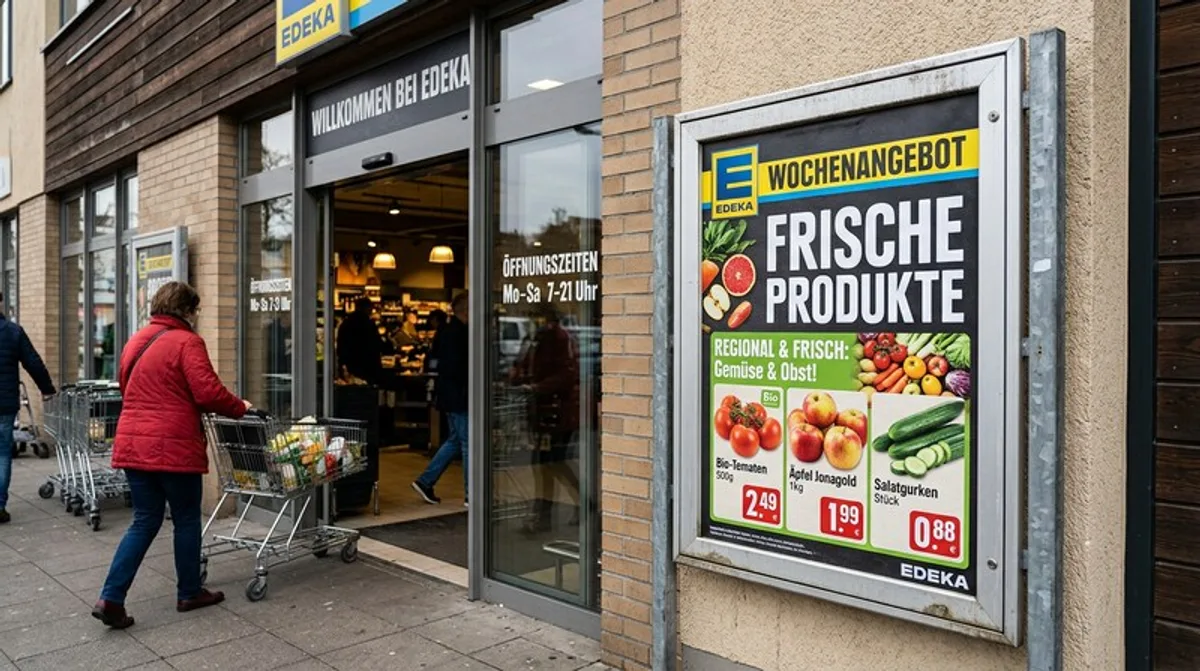
Mass media channels such as TV or out-of-home reach large segments of the population but often appeal to broad, poorly segmented audiences. Digital channels such as social media or email marketing, on the other hand, allow for precise segmentation —at the expense of broad reach. The trick is to strike a balance between reach and relevance: broad channels for awareness, and highly targeted channels for conversion and retention.
Channel Costs and Return on Investment
Different distribution channels have very different cost structures. While TV advertising involves high fixed costs for production and placement, digital channels are often scalable on a variable basis and allow for precise tracking of return on investment. Performance marketing disciplines such as SEA or affiliate marketing measure channel ROI down to the conversion level and enable continuous budget optimization.
Media Transformation and Changing User Habits
The average amount of time Germans spend on digital media each day has more than doubled since 2015. According to the 2023 ARD/ZDF Media Study, over 85 percent of the population uses the internet daily, while linear TV viewership among those under 50 is steadily declining. This media shift is forcing brands to regularly review and adapt their distribution strategies. Anyone who still relies exclusively on traditional print or TV channels today is missing out on entire generations of consumers. At the same time, every new platform—from TikTok to audio formats like Spotify or Apple Podcasts—creates new distribution opportunities that should be evaluated early on.
Strategies for Selecting and Optimizing Distribution Channels
Here’s how it works:
- Clearly define your goals before you start
- Integrate the distribution channel strategically into the marketing mix
- Test, measure, and continuously optimize
An effective distribution strategy begins with a thorough analysis of the target audience: Where do they spend their time? What media do they consume? At what times of day can they be reached? Channels are prioritized based on these insights. A distinction is made between primary channels—those with the highest reach or conversion potential—and supplementary channels, which are used to increase frequency or for specific stages of the sales funnel. Modern multichannel and omnichannel strategies ensure that the message is communicated consistently and in a coordinated manner across all relevant channels.
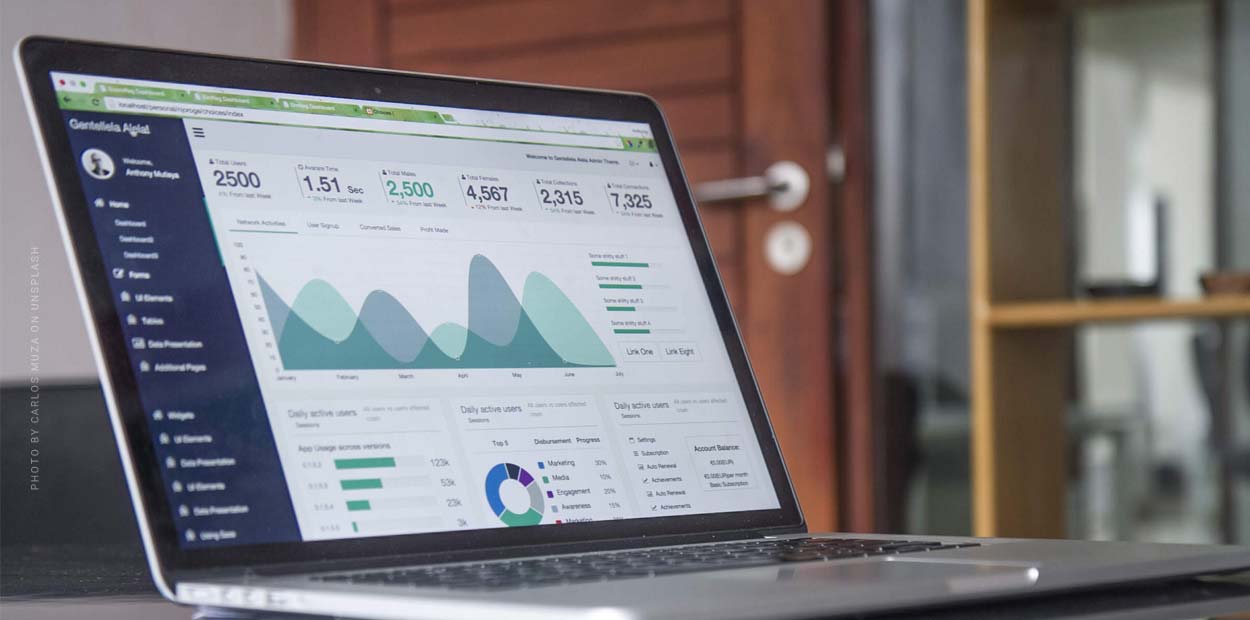
Cross-channel tracking tools measure which combination of channels leads to the optimal customer journey. A/B testing at the channel level helps to continuously learn and refine the distribution mix. It is particularly important to regularly review channel performance: changes in algorithms, declining organic reach, or new competitors can significantly impact a channel’s effectiveness.
- Analyze the Target Audience: Location, Media, Accessibility
- Prioritize primary and supplementary channels
- Consistent messaging across all channels
- Cross-channel tracking measures the customer journey
- A/B tests continuously optimize the distribution mix
- Regularly review and adjust channel performance
Step-by-Step: Developing the Right Channel Mix
Developing a sustainable distribution strategy follows a clear sequence. First, the target audience and buyer personas are defined: What demographic characteristics, interests, and media usage habits define the ideal customer? The second step involves a channel analysis: Which platforms and media does the target audience actively use? Third, the available budgets and resources are allocated to the prioritized channels—with a clear focus on a few channels with high potential. In the fourth step, KPIs are defined for each channel and a tracking framework is established. Finally, performance is reviewed regularly on a monthly or quarterly basis to scale, reallocate, or discontinue channels as needed.
Common Mistakes in Channel Selection
One of the most common mistakes is blindly following trends: Not every brand benefits from having a presence on TikTok just because the platform is currently in the spotlight. Another classic mistake is the so-called “scattergun approach” —the budget is spread across too many channels without any single one being consistently maintained. Brands also frequently underestimate the production effort required for channel-specific content: a LinkedIn article, an Instagram Reel, and a podcast episode each require different formats, tones, and resources. Those who simply copy the same content across all channels lose relevance and engagement. Finally, attribution is often neglected: Without a robust tracking setup, it’s impossible to measure which channel actually contributed to a conversion.
- Don’t blindly follow every trend.
- Focus your budget on a few channels.
- Channel-specific content requires different formats.
- Repeated content loses relevance and engagement.
- Attribution and tracking setups are essential.
- Production costs per channel are underestimated.
Examples of Successful Distribution Channel Strategies
Here’s how it works:
- Clearly define your goals before you start
- Integrate the distribution channel strategically into the marketing mix
- Test, measure, and continuously optimize
Amazon relies on one of the most sophisticated multi-channel approaches in e-commerce: its own platform, Amazon Advertising, email marketing, Alexa integration, and a physical presence through Amazon Go and Whole Foods. Each channel plays a specific role in the conversion funnel. Nike disseminates its brand message through a precisely orchestrated combination of social media (Instagram, TikTok), influencer collaborations, its own app (Nike Run Club), brick-and-mortar flagship stores, and targeted TV commercials for major events. The result is a seamless brand presence throughout the entire customer journey. In the B2B sector, HubSpot demonstrates how content distribution via blogs, YouTube, LinkedIn, and podcasts enables consistent brand building that generates leads without traditional cold calling.
“Brands that consistently engage with three or more distribution channels achieve a 287 percent higher purchase rate than brands that rely on a single channel.” — Omnisend E-Commerce Statistics Report
Amazon: When Every Channel Acts as a Funnel
Amazon’s distribution strategy is a textbook example of consistent channel architecture. Its own platform handles conversions, while Amazon Advertising drives awareness and consideration through display ads and Sponsored Products. The newsletter fosters customer loyalty and cross-selling, Alexa taps into the voice commerce channel, and physical locations serve as experiential touchpoints that strengthen brand trust. Each channel is linked to a clear funnel goal and is optimized separately—yet all channels are data-connected through the Amazon ecosystem. This seamless integration of online, offline, and voice sets a standard against which other omnichannel strategies must be measured.
HubSpot: Content Distribution as a Driver of B2B Growth
HubSpot has not only coined the term “inbound marketing,” but has also put it into practice. Its distribution strategy is based on a clear content hub: The blog delivers new SEO-optimized content daily, which generates organic traffic. YouTube tutorials and webinars provide prospects with in-depth expertise and build trust. LinkedIn serves as the primary B2B distribution channel for executive thought leadership content. The weekly newsletter engages existing subscribers and keeps the brand in the decision-makers’ “relevant set.” The result: According to HubSpot’s own figures, the company generates over 75 percent of its leads through organic and content channels—without relying on traditional outbound measures. This model demonstrates that consistent multi-channel content distribution in B2B can significantly shorten the sales cycle.
Conclusion: Distribution Channels as a Key Success Factor in Marketing
Conclusion:
- Distribution channels are indispensable in modern marketing
- Think strategically, implement consistently
Choosing the right distribution channel is not a secondary, operational decision—it is the strategic core of every successful marketing campaign. Those who know their target audience, select the right mix of channels, and continuously optimize their approach will reach more people at the right time with the right message. In an increasingly fragmented media landscape, the distribution strategy is the decisive factor between campaign success and wasted reach. Brands should therefore regularly evaluate their channel mix, test new formats, and consistently incorporate insights from tracking data into their media planning.
What is the difference between a distribution channel and a sales channel?
In retail, a sales channel refers to the physical path products take from the manufacturer to the end customer (e.g., direct sales, wholesale). In marketing, a distribution channel also refers to all media channels through which messages are disseminated—from social media to TV.
How many distribution channels should a brand use?
The optimal number depends on the budget, target audience, and marketing goals. As a rule of thumb: It’s better to consistently engage with three to five channels at a high level of quality than to engage with ten channels with minimal effort. Quality and consistency trump quantity.
What does “omnichannel” mean in the context of a distribution strategy?
Omnichannel means that all of a brand’s distribution channels are seamlessly linked and offer customers a consistent experience—regardless of whether they interact with the brand online, via mobile, or in-store. Data is shared across channels, and messaging is coordinated.
How do you measure the success of a distribution channel?
Typical KPIs include reach, impressions, click-through rate, cost per click, cost per acquisition, and return on ad spend. Which metrics are relevant depends on the specific marketing goal. Cross-channel attribution models help evaluate each channel’s contribution to overall performance.
Which distribution channels are particularly well-suited for B2B marketing?
In the B2B sector, LinkedIn, email marketing, webinars, trade publications, and SEO content are particularly effective. These channels reach decision-makers in a professional context and enable in-depth communication on complex topics.
- A distribution strategy is at the heart of every campaign.
- Consistently utilize three to five channels.
- Omnichannel creates a seamless customer experience.
- KPIs measure the success of channels.
- B2B uses LinkedIn, email, and SEO.
- Quality and consistency trump quantity.
Distribution Channels: Selection, Types, and Strategy for Optimal Distribution

Live Commentary in Marketing: Real-Time Community Engagement

Attracting Customers as a Service Provider: Channels, Mistakes, and a Step-by-Step System
How to Attract Customers for Free: 10 Methods That Really Work
B2B Lead Generation: More Qualified Leads
Media Plan: Development, Channel Selection, and Budget Allocation in Media Planning













 4.9 / 5.0