Always-On Influencer Marketing: Long-Term Partnerships Instead of One-Off Campaigns
Post once, grab attention briefly, then be forgotten—that model is outdated. Brands that want to scale over the long term rely on “always-on” influencer marketing: long-term ambassador partnerships that continuously build trust, rather than buying short-term reach.
What “Always-On Influencer Marketing” Means
In the traditional campaign model, a brand books an influencer for one or two posts, pays them, waits for the spike in engagement, and moves on. “Always-On” flips this principle on its head: creators are signed on as ambassadors for several months or the entire year. They post continuously, test new products, attend events, and become true brand ambassadors.
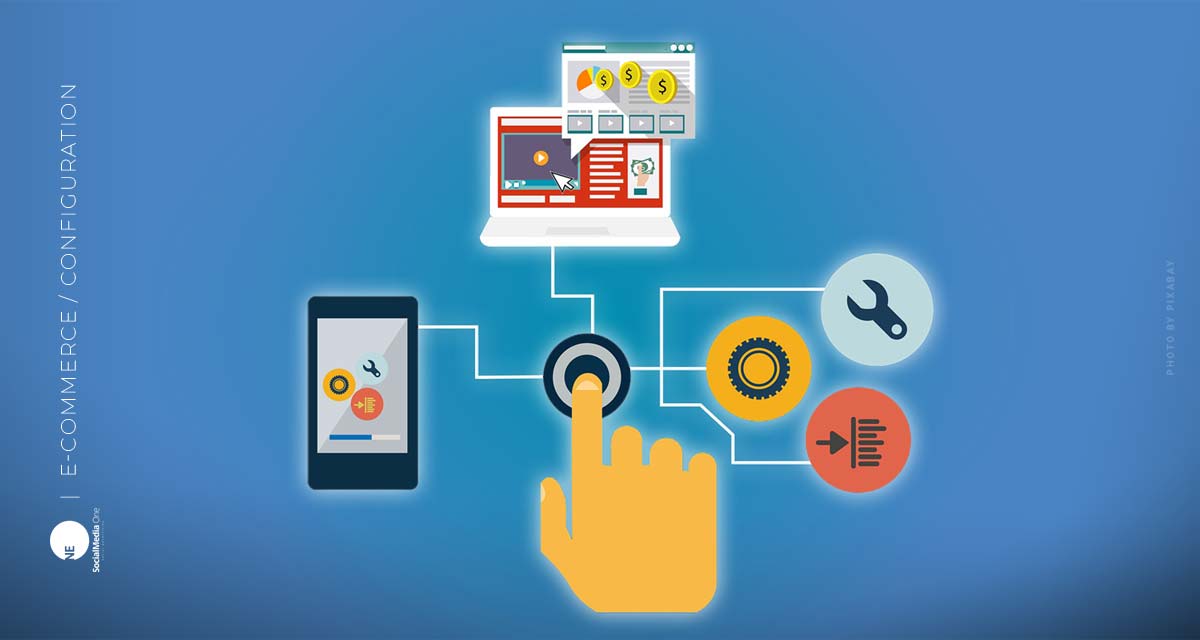
Engagement is the currency of social media marketing—this infographic shows how platform strategy, content, and audience building work together.

Elements of an “Always-On” Partnership
- Long-term contract for at least three to six months
- Exclusivity clauses against direct competitors
- Joint content planning on a monthly basis
- Performance reporting with clear KPIs (reach, engagement, conversions)
- Product Testing and the Feedback Loop Between Creators and Brands
Always-On vs. Campaign Model: Key Metrics
| Key Metric | Single Campaign | Always-On Partnership |
|---|---|---|
| Engagement Rate | 2–4% | 5–8% |
| Content pieces per month | 1–2 | 4–8 |
| Cost per piece of content | 300–800 € | €150–350 |
| The Creator’s Brand Familiarity | Low | High |
| Planning for the Social Media Team | Low | Very high |
How to Build Always-On Partnerships
The first step is creator selection: Always-On only works with creators who are truly a good fit for the brand—not just in terms of content, but also personally. A one-month trial agreement before signing a long-term contract helps validate the chemistry and content quality.
Next comes drafting the contract: In addition to posting frequency, format requirements, and compensation, exclusivity provisions must be clearly defined. Clauses that are too restrictive deter creators; those that are too broad allow direct competition to slip in through the back door.
Once up and running, the Always-On program requires regular check-ins. Creators who feel treated as partners deliver better results. Learn more about strategic integration into the influencer marketing concept.
Budget and Costs in the Always-On Model
Micro-influencers with 10,000 to 50,000 followers can often be booked as brand ambassadors for 800 to 2,500 euros per month—including four to eight pieces of content. By comparison, four individual campaign posts from the same creator would cost 1,200 to 3,200 euros. The discount for long-term partnerships is typically 30 to 50 percent.
For brands looking to build brand awareness on social media, the “always-on” model is the most efficient approach. It achieves deeper brand awareness and sustainable trust among the target audience over the long term. In the context of influencer contracts, specific points such as exclusivity, notice periods, and content ownership must be addressed with particular care in always-on models.
“The biggest mistake in influencer marketing is a short-term approach. Creators who truly understand a brand are better at promoting it—because they’re convinced of its value themselves.” — Social Media One, Creator Relations Team
How much does an Always-On Ambassador program cost per month?
Micro-influencers with 10,000 to 50,000 followers can often be booked as brand ambassadors for 800 to 2,500 euros per month—including four to eight pieces of content.
How many brand ambassadors does a brand need?
To get started, you’ll need three to five creators who are active on the core platform. You can scale up later to ten to twenty ambassadors.
What is the difference between an ambassador and a brand ambassador?
The terms are often used interchangeably. “Ambassador” is also used to refer to micro-creators in the “always-on” model, while “brand ambassador” is more commonly used for more prominent figures.
What is the minimum term for an “always-on” contract?
At least three months, preferably six to twelve months. It takes several months to determine whether the creator and the brand are truly a good fit.
Can “always-on” influencer marketing be combined with paid social?
Yes, that’s actually recommended. Ambassador content is ideal for whitelisting and Creator Ads because it comes across as authentic and can be boosted for paid social.
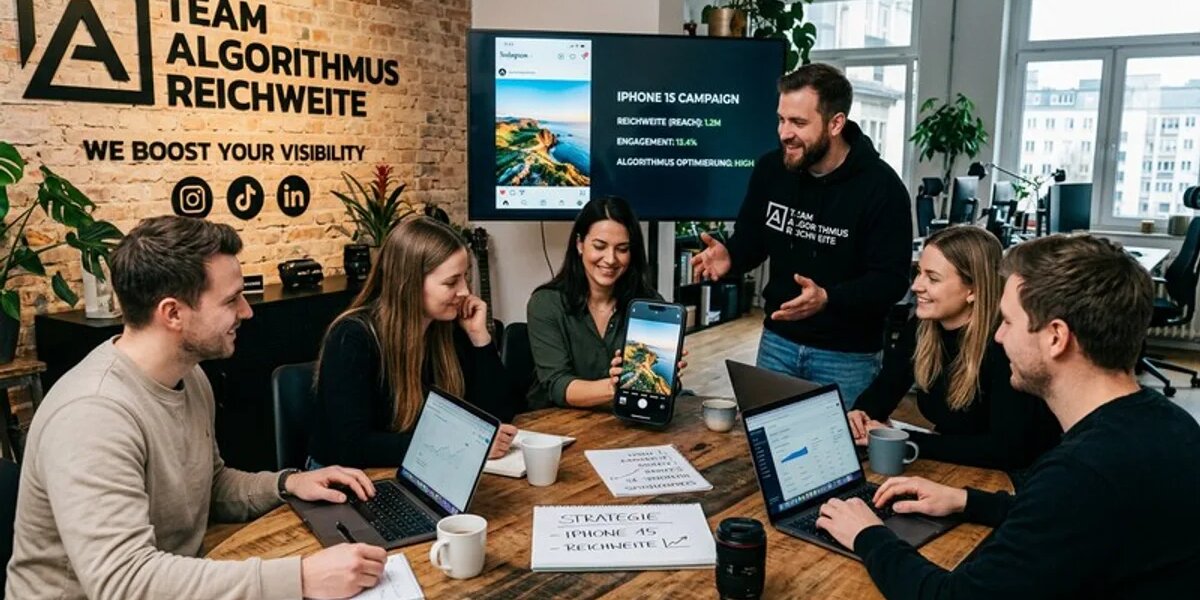
Increasing Reach: The Most Important Leverage Points for Each Channel

Influencers in Marketing: How Brands Use Influencers to Expand Their Reach

More Likes on Social Media: What Really Leads to More Engagement
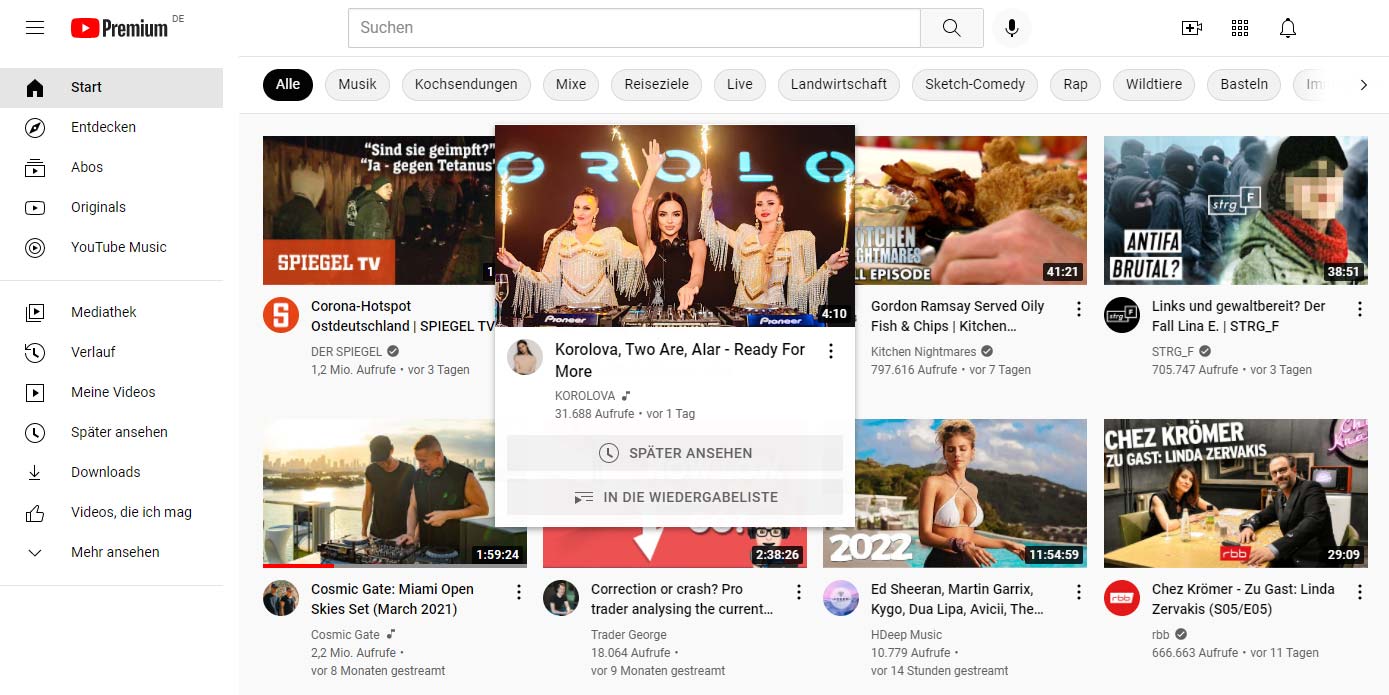
YouTube Streaming in Marketing: Live Events, Product Launches, and Community Building
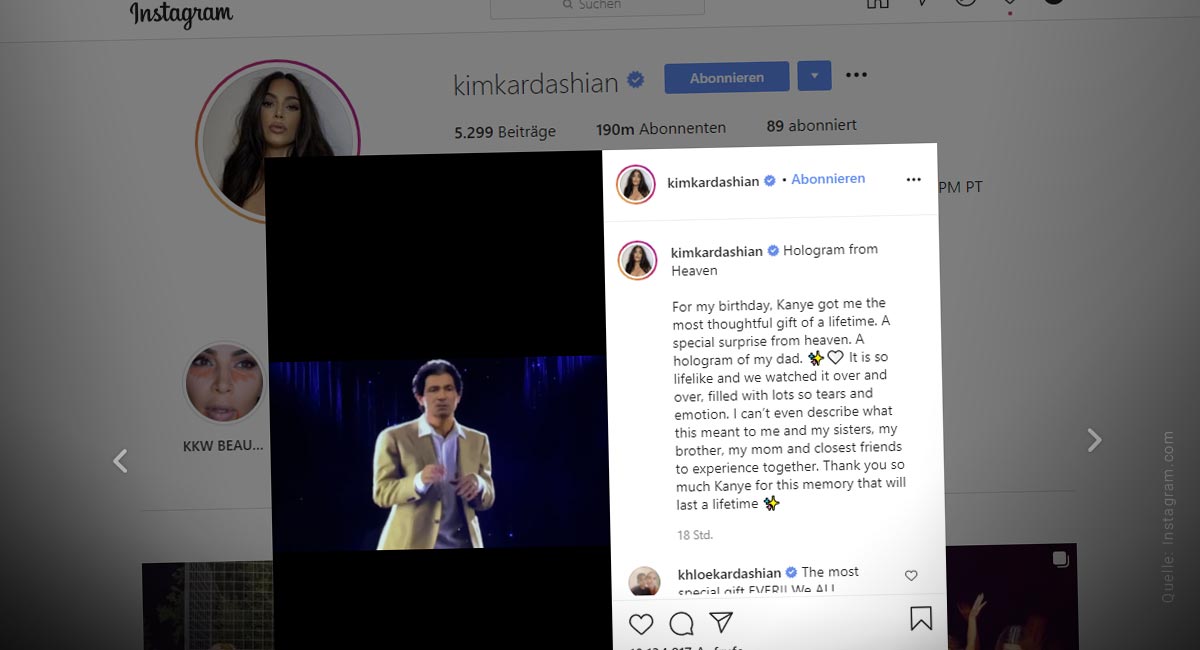
Live Commentary in Marketing: Real-Time Community Engagement

Developing a Social Media Strategy: Case Study on Product Reviews and ABC Analysis