
Influencer Whitelisting: Run Paid Ads Through Creator Accounts and Scale Your Reach
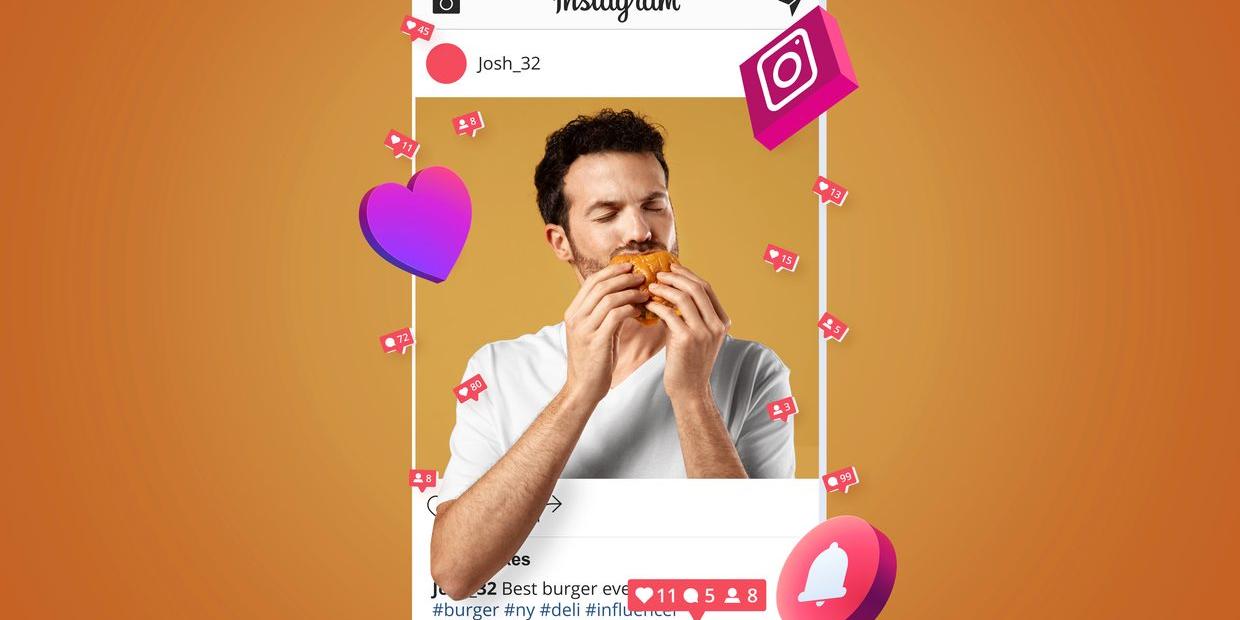
Influencer whitelisting is changing the way brands use paid advertising: Instead of running ads through their own corporate accounts, they are now served directly from the creator’s account. The result is advertising that doesn’t look like advertising—but is precisely targeted.
What Influencer Whitelisting Means and How It Works Technically
With whitelisting, a creator grants the brand advertising access to their account—via Facebook Business Manager or the TikTok Business Center. The brand then runs what are known as “dark posts”: ads that are created in the creator’s account but do not appear on their profile. Only the ad’s target audience sees them in their feed.
Requirements for a Functional Whitelisting Setup
Creators must have a Creator Studio or Business account
The brand needs an active advertising account in Facebook Business Manager
- Clear contractual provisions: time frame, permitted formats, and targeting
The creator’s consent to the use of their name and profile picture in ads
Content produced in the “Creator” style
No corporate design
Whitelisting vs. Traditional Boosting: A Comparison of Key Metrics
| Method | Ø CTR | Average Engagement Rate | CPM |
|---|---|---|---|
| Brand Ad (Classic) | 0.7–1.2% | 0.5–1.5% | 8–15 € |
| Boarded Post (Boosting) | 1.5–2.5% | 2–4% | 6–12 € |
| Whitelisting Dark Post | 2.5–3.5% | 4–8% | 5–10 € |
Whitelisting on Meta vs. TikTok
Meta whitelisting (Instagram and Facebook) is the most widely used format and can be fully managed through the Ads access section in Business Manager. TikTok offers a similar mechanism with its Spark Ads format: Creators authorize a post for ad placement without sharing their password.
Whitelisting is particularly valuable for Instagram Ads because thefeed algorithm prioritizes creator content over business ads. This setup can be integrated into an influencer marketing strategy as an “always-on” component.
Common Mistakes in Whitelisting
Creators are not informed in advance about all the variations that are aired
Content is being edited too heavily for ads
The “Creator” style is being lost
- No clear end date for access rights was agreed upon
- Targeting is being expanded to include unusual target groups without prior consultation
Budget Planning for Whitelisting Campaigns
To get started, you should plan on a total monthly budget of at least 1,000 to 1,500 euros—allocated to content creation (creator fees), technical setup, and media spending. For content marketing in a paid social context, whitelisting is one of the most effective ways to deploy authentic content at scale.
“Dark posts from creator accounts are the most authentic form of paid social: They come across as credible because they come from a genuine voice—and yet they still function like precisely targeted advertising.” — Social Media One, Paid Social Team
What is the difference between whitelisting and a sponsored post?
With whitelisting, the brand gains advertising access to the creator’s account and can run dark posts on its own. A sponsored post is published by the creator and can then be boosted if desired.
At what budget level does influencer whitelisting make sense?
To get started, you should plan on a total monthly budget of at least 1,000 to 1,500 euros.
What are dark posts?
Dark posts are ads that are served from a creator’s account but do not appear publicly on their profile. Only the defined target audience sees them in their feed.
Is whitelisting possible on TikTok?
Yes. With Spark Ads, TikTok offers its own whitelisting mechanism, in which creators authorize individual posts for advertising.
Does the creator need to share their password?
No. Both Meta and TikTok offer advertising access features that work without sharing a password and can be set to expire after a certain period of time.

Increasing Reach: The Most Important Leverage Points for Each Channel

Influencers in Marketing: How Brands Use Influencers to Expand Their Reach

More Likes on Social Media: What Really Leads to More Engagement
YouTube Streaming in Marketing: Live Events, Product Launches, and Community Building
Live Commentary in Marketing: Real-Time Community Engagement

Developing a Social Media Strategy: Case Study on Product Reviews and ABC Analysis













 4.9 / 5.0