
Lookalike Audiences: Custom Audiences, Similar Audiences, and Targeting on Meta, Google, and TikTok
Anyone who invests money in ads doesn’t want to waste it on the wrong target audience. Lookalike Audiences solve exactly this problem: They automatically find people who resemble your best customers—on Meta, Google, and TikTok. When used correctly, they reduce the cost per acquisition (CPA) by 30 to 50 percent compared to traditional interest targeting.
What are lookalike audiences?
A lookalike audience is a target group that the platform (Meta, Google, TikTok) automatically derives from a so-called seed audience. The system analyzes the common characteristics of your seed audience—demographic data, interests, and online behavior—and searches the entire network for users who most closely match these characteristics.
The result: You reach people you would never have found by manually setting interests, because you simply don’t know which signals actually correlate with a willingness to buy.
The best target audience isn’t one you build yourself—it’s the one your algorithm derives from real buyer data.
Seed Audiences: What You Put In Determines What You Get Out
The quality of a lookalike audience depends entirely on the seed audience. Not every source is equally good. The rule of thumb: The closer the seed audience is to the actual purchase, the more valuable the lookalike audience.
Table: Comparison of Seed Audience Types
| Seed Audience Type | Quality | Minimum size | Recommended Lookalike % |
|---|---|---|---|
| Buyers (Purchase List) | Very high | 100–500 people | 1–2% |
| High-Quality Leads (CRM) | High | 300–500 people | 1–3% |
| Newsletter subscribers | Medium | 500–1,000 people | 2–5% |
| Add to Cart Without Purchasing | Medium | 500 people | 2–4% |
| Website visitors (all) | Low-Medium | 1,000 people | 3–5% |
| Video Views 75%+ | Low-Medium | 2,000 people | 4–6% |
| Page Fans / Followers | Low | 1,000 people | 5–10% |
Important: Meta recommends a seed audience of at least 1,000 to 2,000 people for reliable results. A lookalike audience with fewer than 100 people is technically possible, but statistically unreliable.
1% vs. 5% vs. 10% Lookalike — What’s the Difference?
The percentage indicates the size of the pool of potential users from which the target audience is drawn—as a proportion of the total population of the target country.
1% Lookalike
The closest match, most similar to the seed audience. For Germany, approximately 700,000–800,000 people. Highest likelihood of conversion, smallest reach.
2–3% Lookalike
A good balance between precision and volume. Ideal for scale-up phases following a validated 1% test.
5% Lookalike
Mid-tier segment. Often used for awareness campaigns or when the top 1% is already saturated.
10% Lookalike
The broadest option. Very similar to Broad Targeting, with a slight advantage in terms of signals due to the Seed Audience.
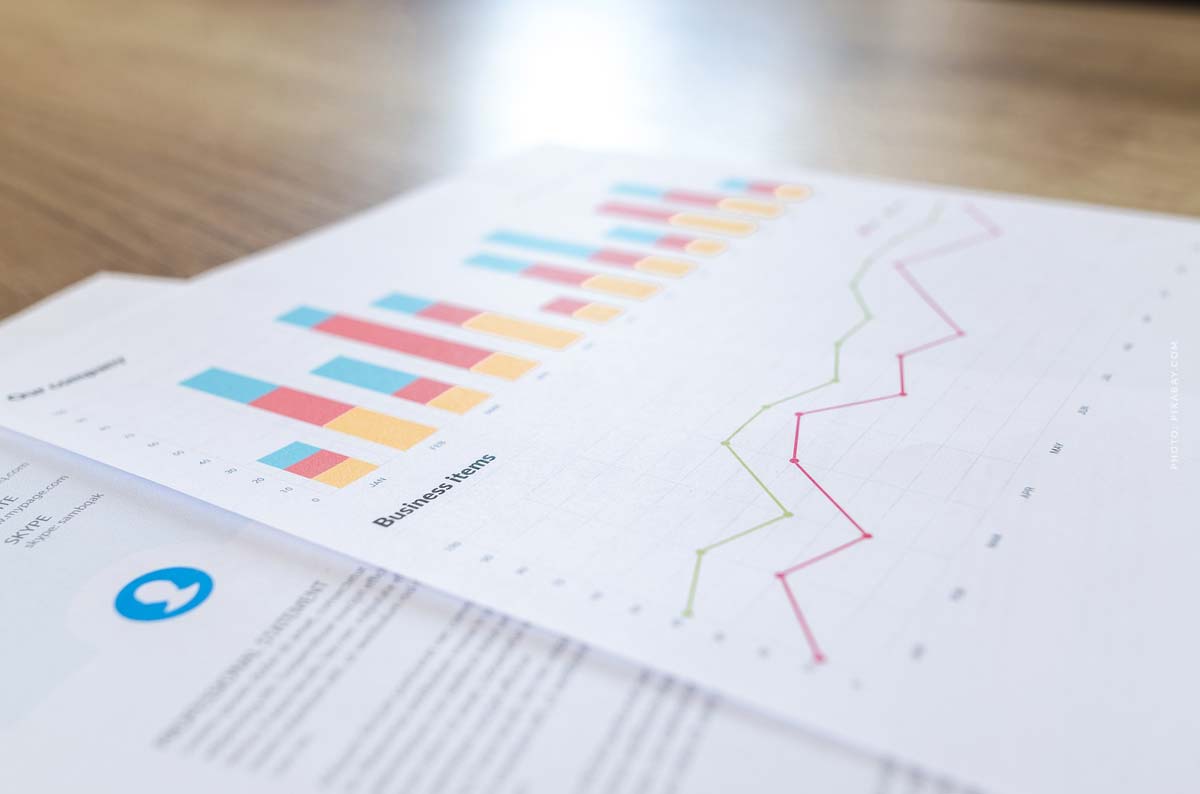
Precise targeting is the key to effective social media advertising—this infographic explains audience segmentation and ad optimization.

Recommendation: Always start with 1%. If the frequency increases and performance declines, increase it to 2–3%. Use 5–10% only for retargeting exclusions or when you’re pursuing a scaling goal.
Step-by-Step: Creating Your First Lookalike Audience on Meta
Open Meta Ads Manager and navigate to Audiences.
- Click on ” Create Audience” → “Lookalike Audience.”
Select your source group (Source)
Pixel event (e.g., Purchase), a custom audience based on a customer list, or an existing custom audience.
Specify the target country (e.g., Germany, Austria, Switzerland—or DACH combined).
Set the target audience size
1% for the most striking lookalike.
Click ” Create Audience.” Meta will generate the audience within 1–6 hours.
Create a new campaign or ad set and select the new lookalike audience as your target.
Exclude existing customers using Custom Audience (Exclusion) so you don’t waste your budget on people who have already converted.
Tip: Link your Meta Ads account to the Conversion API (CAPI) to ensure you have clean purchase data even after iOS 14 restrictions take effect. Better data = better lookalike audiences.
Lookalikes on Google and TikTok
Google Ads: Similar Audiences / Customer Match
Google calls its equivalent ” Similar Audiences.” It’s based on a Customer Match list (your customers’ email addresses) that you upload. Google matches these against Google accounts and uses them to create a similar audience.
- Minimum list: 1,000 matching users after upload
- Available for: Search, Display, YouTube, Gmail
- Recommended to use in combination with Smart Bidding for maximum efficiency
Similar segments are generated automatically
no manual effort
Read more about this in our article on Google Ads strategies.
TikTok Ads: Lookalike Audience
TikTok offers Lookalike Audiences under the name ” Lookalike Audience ” in TikTok Ads Manager. The seed sources are: customer file upload, app activity, engagement on TikTok, or pixel events.
Three range settings
Narrow (1–2%), Balanced (2–7%), Broad (7–15%)
- Minimum size of the seed audience: 100 people; 1,000+ recommended
- Particularly effective for video-view-based seeds (TikTok-native signals)
For details on targeting strategies on TikTok, see ” Running Ads on TikTok.”
Lookalike vs. Interest Targeting vs. Broad Targeting
| Targeting Type | Precision | Scalability | Data Requirements | CPA Potential |
|---|---|---|---|---|
| Lookalike 1% | Very high | Medium | High (own data) | Lowest CPA |
| Lookalike 5–10% | Medium | High | High | Good |
| Interest Targeting | Medium | High | None | Medium |
| Broad Targeting | Low | Very high | None | Algorithm-dependent |
Conclusion of the comparison: Interest Targeting is the quickest way to get started without your own data. Lookalike targeting is the gold standard once you’ve collected enough conversion data. Broad Targeting is working increasingly well on Meta through Advantage+ Placements—but only with strong creative and sufficient pixel data.
Interest Targeting shows ads to people you think are likely to buy. Lookalike shows them to people who have been shown to behave just like your buyers.
Best Practices: Reduce CPA by 30–50% with Lookalike Audiences
This isn’t just a theory—it can be replicated if you keep these points in mind:
Use only buyers as seed
No compromises. If you don’t have 200 buyers yet, gather them first—or use “Add to Cart” as a temporary solution.
Exclude retargeting
Always filter out existing customers using an Exclusion Custom Audience. Otherwise, you’ll waste your budget on people who have already converted.
A/B Test: 1% vs. 3%
Test both sizes simultaneously using identical creatives. Let the data decide. Read more about this in the article on A/B testing.
Keep Seed Audience Up to Date
Upload fresh buyer data every month. Older data sets produce less accurate lookalikes.
Budget Structure
60% of the budget in Lookalike 1–2%, 25% in retargeting, and 15% in broad prospecting for new signals.
Don’t forget Creative
Even the best lookalike won’t convert with poor ads. Creative quality and the target audience must be a good match.
When combined with a well-designed performance marketing setup, CPA reductions of 35–50% compared to interest-based targeting alone are realistic—as documented across multiple industries.
Common Mistakes with Lookalike Audiences
Seed audience too small (fewer than 200 people)
The model has too little signal.
Use newsletter subscribers as your only seed
Many of them have never bought anything
Lookalike and Retargeting in the Same Ad Set
Audiences overlap, CPA rises
Never update Seed Audience
Outdated buyer lists generate outdated lookalikes
Start Lookalike at 10% without validation
too blurry for initial tests
Related Topics
Lookalike audiences are part of the broader targeting ecosystem. To cover the entire funnel, you should also understand funnel marketing and social media conversion optimization —because even the best lookalike audience is useless if your landing page or offer doesn’t convert.
Conclusion
Lookalike audiences are among the most effective targeting methods offered by Meta, Google, and TikTok—provided you feed them the right seed data. The hierarchy is clear: buyers beat newsletter subscribers, who beat website visitors. The 1% lookalike audience is your sharpest tool for low CPAs. If you maintain your customer data accurately, update it regularly, and use rigorous A/B testing, you can systematically and sustainably lower your cost per acquisition—without spending more of your budget.

History of Marketing: From Early Advertising to Modern Campaigns

Marketing Language: How Brands Speak, Persuade, and Trigger Reactions
Live Commentary in Marketing: Real-Time Community Engagement

Countdowns in Marketing: Urgency, Scarcity, and Time-Based Campaigns
Short Films in Marketing: Branded Shorts, Storytelling, and Emotional Impact
More Downloads for Your App: 15 Strategies for ASO, Paid, and Organic











 4.9 / 5.0