LinkedIn Influencer Marketing: B2B Reach, Algorithm, and Creator Formats
LinkedIn has evolved from a digital resume into the most powerful B2B platform for influencer marketing. Those who engage the right creators here can reach decision-makers, professionals, and industry experts—with a level of credibility unmatched by any other platform.
Why LinkedIn Influencer Marketing Works Differently
On Instagram, you buy attention; on LinkedIn, you build trust. LinkedIn users are actively looking for professional content, career advice, and industry insights. Advertising messages that fit into this context aren’t seen as a distraction—they’re viewed as relevant information.
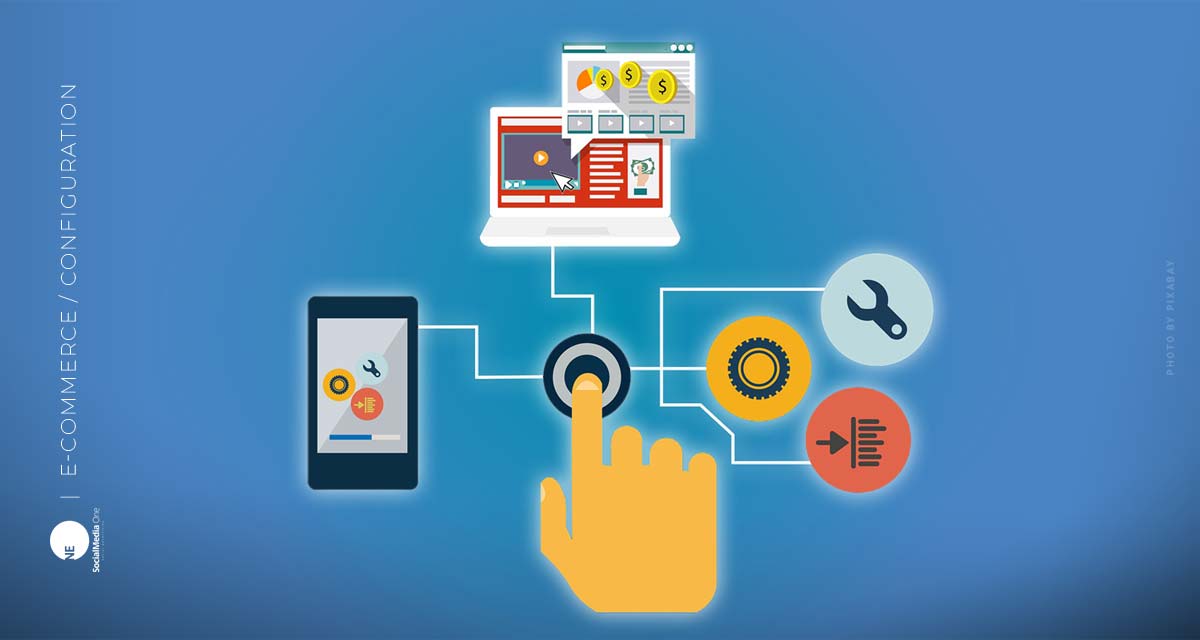
From the marketing plan to social media promotion to follow-up—this infographic illustrates the entire event marketing process.

Typical LinkedIn Creator Formats
Text posts with a personal story
Highest organic reach in the feed
Native Video
prioritized bythe LinkedIn algorithm, especially for thought leadership
- Carousel Documents (PDF Posts): Long dwell time, high share rate
- LinkedIn Newsletter: Open rates over 50%, direct access to the inbox
- Live Events and Audio Events: For Community Building and Real-Time Engagement
LinkedIn Influencer Marketing: Benchmarks
| Creator Type | Follower Range | Engagement Rate | Recommendation |
|---|---|---|---|
| Nano Creator | 1,000–5,000 | 6–10% | Niche B2B, local markets |
| Micro Creator | 5,000–30,000 | 4–8% | Lead generation, industry topics |
| Corporate Influencer | variable | 3–7% | Employer branding, corporate culture |
| LinkedIn Top Voice | 30,000–500,000 | 2–5% | Brand Awareness, Thought Leadership |
Corporate Influencers vs. External LinkedIn Creators
Many B2B companies rely primarily on external LinkedIn creators. Just as effective—and significantly more cost-effective—are corporate influencers: their own employees who are active on LinkedIn as brand ambassadors. They possess genuine expertise, come across as authentic, and simultaneously strengthen the company’s employer brand.
A combination of both is most effective: External creators provide reach beyond one’s own bubble, while internal corporate influencers strengthen the company’s reputation among relevant professional circles. In the context of B2B influencer marketing, LinkedIn is the most important platform.
Set Up LinkedIn Campaigns
First, define the target audience: Which industry, which job levels, and which topic? Next, identify creators: LinkedIn itself doesn’t offer native creator discovery; tools like Favikon, Modash, or manual searches can help with this. The next step is to create a briefing—on LinkedIn, substantive content matters more than visually perfect content.
For companies that coordinate their influencer marketing across multiple platforms, LinkedIn integrates particularly well as an “always-on” channel. The connection to employer branding initiatives offers additional value: creators who share insights about corporate culture and work practices attract both talent and customers at the same time.
“LinkedIn is the only platform where a 500-word professional article reaches a wider audience than a glossy video. That’s not a bug—it’s the business model.” — Social Media One, B2B Team
How much does LinkedIn influencer marketing cost in the B2B sector?
Micro-creators in the B2B sector start at 300–800 euros per post, while established top voices charge 3,000 euros or more. Corporate influencer programs are funded internally.
Do sponsored LinkedIn posts have to be labeled as ads?
Yes, in Germany, the disclosure requirement under the UWG for paid collaborations also applies on LinkedIn.
How do you find the right LinkedIn creators for B2B campaigns?
Tools like Favikon or Modash, manually searching for profiles using relevantindustry keywords, or direct recommendations from your network.
What are corporate influencers on LinkedIn?
Corporate influencers are employees of a company who serve as brand ambassadors on LinkedIn and share expert content, company news, and personal perspectives.
How does LinkedIn influencer marketing differ from Instagram?
LinkedIn focuses on B2B, specialized topics, and reaching decision-makers. Instagram primarily serves B2C audiences with visually oriented content.

More B2B Sales: Leads, LinkedIn, and Sales Strategy
Increasing Reach: The Most Important Leverage Points for Each Channel
Influencers in Marketing: How Brands Use Influencers to Expand Their Reach

More Likes on Social Media: What Really Leads to More Engagement
YouTube Streaming in Marketing: Live Events, Product Launches, and Community Building
Live Commentary in Marketing: Real-Time Community Engagement