Customer Purchasing Behavior: Stages, Influencing Factors, and Marketing Strategy
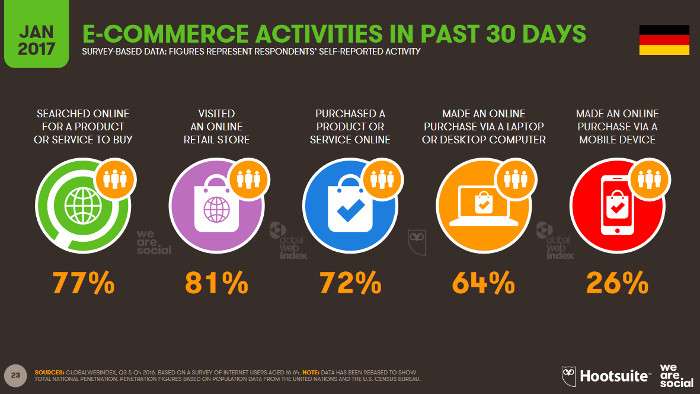
Understanding your customers’ buying behavior is the foundation of any successful marketing strategy. If you know why people buy, what factors influence their decisions, and which channels are the deciding factors, you can target your advertising more effectively, create better content, and increase your conversion rate over the long term.
What is consumer behavior—and why is it so important?
Purchasing behavior refers to all the actions, attitudes, and decision-making processes a person goes through when buying a product or service. It answers the questions: What does someone buy? How often? Where? And, most importantly—why?
This knowledge is essential for brands: It makes performance marketing more efficient, makes content marketing more relevant, and aligns the entire strategy with real needs—rather than assumptions.
From defining your target audience to building engagement—this infographic shows how event planning and social media work together seamlessly.
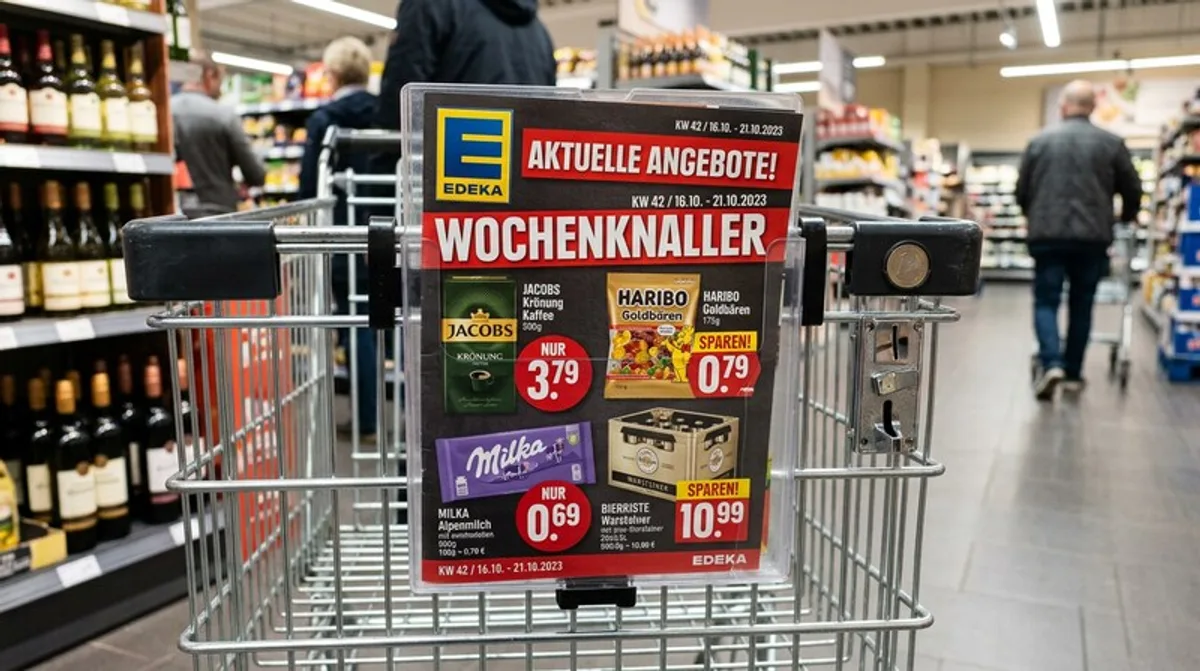
If you don’t understand your customers’ buying behavior, your optimization efforts will be in vain. The data is right there—you just have to read it.
Rational vs. Emotional Purchasing Decisions
Traditional economic theory assumes a rational consumer who compares prices and maximizes utility. The reality is different: About 95% of all purchasing decisions are made subconsciously and emotionally. Price, reviews, and trust all play a role—but emotion, habit, and social cues are often more powerful.
Purchasing Behavior in B2B vs. B2C
In the B2B environment, purchasing decisions are more complex: multiple people form what is known as a “buying center,” processes take weeks or even months, and factors such as ROI and efficiency carry more weight. In B2C, impulse purchases are more common, brand loyalty is stronger, and emotional triggers are more effective.
The 5 Stages of the Buying Process
The purchasing process follows a clear pattern—whether someone is subscribing to an app or buying a machine. If you understand these stages, you can take targeted action at any point.
| Phase | What Happens | Marketing initiative |
|---|---|---|
| 1. Problem Identification | Customer identifies a need or problem | SEO, social ads, content |
| 2. Searching for Information | Researching Solutions and Providers | Blog posts, reviews, comparisons |
| 3. Evaluation of Alternatives | Comparison of Offers and Brands | Brand Awareness, Demos, Testimonials |
| 4. Purchase Decision | Final Choice and Transaction | Retargeting, Offers, Trust Signals |
| 5. Repeat Purchase Behavior | Reviews, Loyalty, Word-of-Mouth Recommendations | Email, Support, Loyalty Programs |
Factors That Influence Purchasing Behavior
Purchasing behavior does not occur in a vacuum. A wide range of factors influences whether and how a purchase is made—and not all of them are within a brand’s control.
Psychological Factors
Motivation, perception, learning processes, and attitudes shape every purchasing decision. Social proof—that is, reviews, testimonials, and the behavior of others—is one of the most powerful psychological triggers there is. Social media retargeting leverages precisely these principles: People who have already seen a product are more likely to buy it upon their second exposure.
Social and Cultural Influences
Family, friends, social groups, and platforms have a massive influence on purchasing decisions. Influencer marketing leverages precisely this mechanism: trust in a person extends to their recommendations. Cultural values determine what is considered desirable—and thus also what people buy.
Social selling works because people base their purchasing decisions on the people they trust—not on brands they don’t know yet.
Measuring Purchasing Behavior — Methods and KPIs
Collecting data on purchasing behavior is easier today than ever before. The key factor is not the amount of data, but asking the right questions.
Data Sources and Key Metrics
Web analytics show which pages users visit before making a purchase. CRM systems store purchase histories and touchpoints. Key KPIs include conversion rate, average cart value, repeat purchase rate, and customer lifetime value. Market research provides the qualitative depth that numbers alone cannot capture.
Behavior-Based Segmentation
Behavior-based segmentation categorizes customers based on their actual behavior—not on demographics. Who buys often and in large quantities? Who abandons their cart at checkout? Each segment requires a different approach, different offers, and different channels. Combined with precise targeting, this becomes a real competitive advantage.
Incorporate purchasing behavior into your strategy
Understanding is the first step—but value is created only through application. These measures directly translate purchasing behavior into better marketing results:
Use funnel marketing to target each stage of the buying process
- Create buyer personas based on real behavioral data rather than assumptions
- Optimize checkout and product pages based on abandonment analysis
- Enable email funnels for post-purchase communication and loyalty building
- Test messages, formats, and offers using systematic A/B testing
Analyze touchpoints throughout the entire customer journey and close gaps
What is the difference between purchasing behavior and consumer behavior?
Purchasing behavior refers to the decision-making process leading up to a purchase. Consumer behavior is a broader concept that also includes the use, evaluation, and disposal of a product after purchase.
How is social media changing purchasing behavior?
Social media significantly shortens the path from inspiration to purchase. Social commerce, influencer recommendations, and user-generated content have profoundly changed the decision-making process—today, purchasing decisions are often made directly on the platform.
What role does trust play in purchasing behavior?
Trust is one of the most important factors in online purchasing decisions. Reviews, seals of approval, transparent communication, and personal recommendations build trust and measurably increase the conversion rate.

Social Proof: Definition, Types, and Impact in Marketing

End Consumers: B2C Marketing, Consumer Behavior, and Strategies

History of Marketing: From Early Advertising to Modern Campaigns

Attracting Customers as a Service Provider: Channels, Mistakes, and a Step-by-Step System
How to Attract Customers for Free: 10 Methods That Really Work

AI Sales Software: Comparison of Features, Providers, and ROI












 4.9 / 5.0