
B2B SEO: Search Engine Optimization for Decision-Makers Rather Than End Customers
B2B SEO follows different rules than the search engine strategy for an online store. Anyone who wants to seriously build B2B lead generation through organic search must target niche terms with low search volume but high purchase intent, rather than optimizing purely for click-through rates. Anyone who applies the logic of B2B marketing on social media directly to SEO is missing out on visibility with the very people who ultimately make purchasing decisions: purchasing managers, CEOs, and technical departments. A well-thought-out LinkedIn content strategy for B2B follows the same pattern: reach isn’t the goal— relevance to a small, high-spending target audience is.
What Makes B2B SEO Structurally Different from B2C SEO
In the B2C sector, volume is key. A search term with 10,000 monthly searches is justified by its conversion rate, because even a small percentage of a massive audience ultimately translates into a large number of purchases. In B2B business, this relationship is reversed. A term such as a specific machine model, a software module, or a technical regulatory term might be searched for thirty times a month, but each of those thirty searches can be worth five or six figures if it leads to a contract.
This shift affects every decision in an SEO strategy: keyword selection, content depth, link building, and even how success is measured. Anyone who approaches B2B SEO the same way they approach B2C SEO is optimizing for the wrong metric and wondering why they’re getting a lot of traffic but little revenue.
Long sales cycles are changing the logic behind keywords
A B2C purchasing decision often takes just a few minutes. A B2B investment, on the other hand, takes months—sometimes years—and involves multiple rounds of coordination and several decision-makers with different priorities. A technical buyer looks for specifications, a CEO for return on investment, and a legal department for compliance issues. SEO content must address these different search intentions individually, rather than attempting to cover them all with a single landing page.
Decision-makers search differently than end consumers
A private individual often types in vague terms. A buyer or department head formulates search terms more precisely because they already know what they need and are looking for the best solution within a defined set of requirements. These search queries are longer, more specific, and often include product categories, standards, or industry jargon that a B2C keyword tool might not even classify as relevant.
Technical Terms Over Volume: Niche Over Reach
This is precisely where the strategic core of B2B SEO lies: building visibility for terms that a generic keyword planner would dismiss as unattractive because their search volume appears low. For a company with a well-defined, small target market, a niche term with twenty search queries and high purchase intent is more valuable than a mass-market term with ten thousand search queries and vague intent.

Keyword Strategy for B2B: Identifying Technical Terms Associated with Purchase Intent
Traditional keyword tools are designed for consumer markets and often provide useless data in the B2B segment. A technical term that indicates genuine purchase intent may appear in the tool as having “no search volume,” even though that exact term generates a valid lead every month. Those who rely solely on volume metrics overlook their actual target audience.
Why Short-Tail Keywords Rarely Work in B2B
A short, generic term—such as a simple industry designation—primarily attracts students, journalists, and competitors, not buyers. Long-tail combinations of product category, use case, and decision-maker terminology target the audience more precisely and can be ranked on the first page with a much more realistic amount of effort.
Buyer Personas and Search Intent by Funnel Stage
Each buyer persona searches differently, depending on which stage of the sales funnel they’re in. A persona in the early information-gathering phase looks for problem descriptions, while a persona nearing a decision looks for provider comparisons or references. Without this alignment, the content generated may drive traffic but addresses the wrong stage of the decision-making process.
Tools and Resources for B2B Keyword Research
In addition to traditional SEO tools, internal sources often provide better B2B signals: support tickets, sales conversations, bid documents, industry forums, and trade show inquiries. These phrases used by your own target audience are worth their weight in gold because they accurately reflect the language that decision-makers actually use when searching and communicating.
| Criterion | B2B SEO | B2C SEO |
|---|---|---|
| Search volume per keyword | low, often in the double digits | high, often in the four- to six-digit range |
| Purchase Cycle | Weeks to years, multiple decision-makers | Minutes to days, usually one person |
| Content Type | White Paper, Technical Article, Case Study, Comparison | Product Page, Reviews, Guide, Special Offer |
| Key Performance Indicators (KPIs) | Qualified lead, pipeline value, MQL to SQL | Click, shopping cart, direct sales |
Content for Every Stage of the B2B Funnel
A single blog post cannot both establish initial contact and lay the groundwork for closing a deal at the same time. B2B SEO therefore requires a set of content that is structured to align with the buyer’s journey and addresses each phase with the appropriate format—from the initial B2B meaning research to the final vendor decision.
Awareness: Education, Not Sales
During the awareness phase, the target audience is seeking to understand the problem, not looking for a solution. Content that comes across as too promotional at this stage erodes trust and is rarely shared or linked to. In contrast, fact-based explanations without sales pressure build authority, which is drawn upon later during the decision-making phase.
Consideration: Comparison, Evidence, Expertise
Once a problem has been identified, the search for potential solutions begins. Comparative articles, case studies, and in-depth technical articles—for example, on B2B product marketing or industry-specific applications such as B2B commercial vehicle marketing—position your company as a competent choice among the options available.
Decision: Content for the Final Stretch Before Closing the Deal
In the decision phase, the details make the difference: reference clients, certifications, specific pricing models, and implementation effort. SEO content for this stage rarely goes viral, but it’s often the decisive final touchpoint before a prospect reaches out.
- White Paper: Expertise in Exchange for Contact Information
- Case Study Backed by Numbers
- Glossary provides definitions for relevant technical terms
- Positions the offer based on genuine selection criteria
- Addresses Objections Before the Sales Meeting
- Webinar Extends Engagement Time and Reveals Depth
- The calculator integrates and generates leads
In B2B, it’s not the number of visitors that determines the success of SEO, but rather the number of the right visitors—those who actually have the budget and decision-making authority.
On-Page and Technical SEO Considerations in B2B
At its core, technical SEO does not differ between B2B and B2C, but the priorities shift. Page load time and mobile optimization remain relevant, but take a back seat to the structure, depth, and clarity of the content, because B2B decision-makers scrutinize content more thoroughly than impulse buyers.
Landing Pages for Decision-Makers Rather Than Impulse Buyers
A B2B landing page can be more detailed than a B2C product page because the reader is specifically looking for information to support an internal decision. Short, sensational sales copy tends to come across as unprofessional rather than persuasive in this context.
Authority and E-E-A-T in Complex Specialized Topics
Expert authority carries particular weight in B2B because decision-makers personally bear the risk of making the wrong decision. Author attributions, verifiable sources, certifications, and a consistent, professional tone throughout the entire website directly contribute to trust and, consequently, to search rankings.
Internal Linking Throughout the Buyer’s Journey
In B2B, internal linking should not be random but should follow the decision-making process: from an introductory post on B2B influencer marketing to in-depth articles on LinkedIn Ads for B2B or a complementary social media strategy for B2B. This keeps the reader within your own domain as they move through the decision-making process.
KPIs That Really Matter in B2B SEO
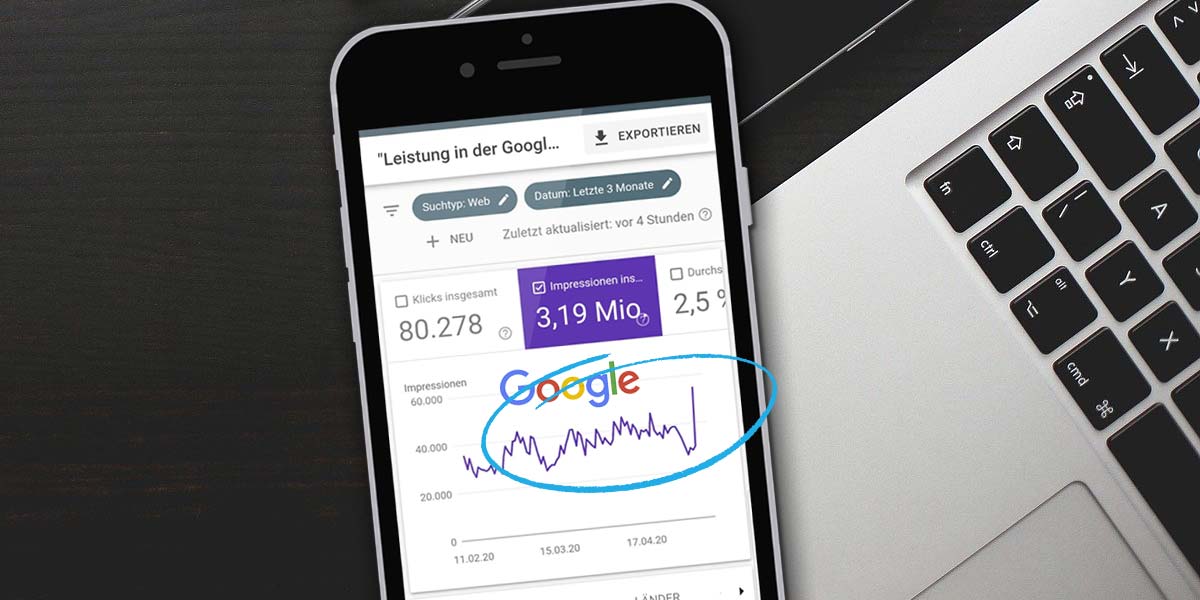
Anyone who measures B2B SEO using the same metrics as an online store campaign will draw the wrong conclusions. Sessions, bounce rate, and average time on site are auxiliary metrics, not measures of success, when what ultimately counts is closing a contract that spans several months.
Why Traffic Alone Doesn’t Tell the Whole Story
In B2B, an article with low traffic but a high conversion rate to qualified leads is more valuable than a viral post that doesn’t resonate with your target audience. Traffic is a stepping stone, not a goal.
From MQL to SQL: SEO in Conjunction with Sales
In B2B, SEO success can only be accurately evaluated in conjunction with the sales team. An organically generated lead must progress from a Marketing Qualified Lead to a Sales Qualified Lead before it counts as a success. This handoff only works if marketing and sales use the same definition of “qualified,” similar to what was already described in the section on LinkedIn Ads B2B lead generation.
Measuring Attribution Over Long Time Periods
Last-click attribution systematically fails in B2B because months often pass between the initial contact via organic search and the signing of a contract, and multiple channels are involved. Multi-touch attribution—or at least a deliberate focus on first-touch attribution—provides a more realistic picture of SEO’s contribution to the pipeline.
- MQL shows interest, but does not meet all criteria
- SQL: Reviewed by Sales, Shows Promise
- Pipeline Value: Revenue from SEO Leads
- Ranking Progress for High-Conversion Niche Keywords
- Engagement by Funnel Stage
- Average time to completion
Checklist: Developing a B2B SEO Strategy
- Personas Based on Decision-Maker Roles Rather Than a General Target Audience
- Keywords Collected from Sales and RFP Documents
- Content is available for every stage of the funnel
- Link structure follows the buyer’s journey, not the site structure
- Author and source information provided
- MQL/SQL definition coordinated with Sales
- Attribution Across Months Instead of Last-Click
- Use LinkedIn Channels to Boost Your Visibility
Frequently Asked Questions About B2B SEO
Is SEO worth it for B2B companies with a very small target audience?
Yes, especially then. The smaller and more specific the target audience, the easier it is to rank for the relevant technical terms, because there’s hardly any competition for those terms. The key isn’t the volume of traffic, but the alignment between search intent and what you’re offering.
How does content depth differ between B2B and B2C SEO?
B2B content can and should be more detailed because decision-makers actively evaluate information before making an internal recommendation. Superficial content, which still works in the B2C sector, often comes across as untrustworthy in a B2B context and gets filtered out during the evaluation phase.
What role does LinkedIn play in B2B SEO?
LinkedIn is no substitute for your own website’s SEO, but it provides important signals and additional visibility to the same target audience. Posts and discussions on the platform often lead to direct search queries for the company name, which in turn boosts organic search traffic.

More B2B Sales: Leads, LinkedIn, and Sales Strategy

Distribution Channels: Selection, Types, and Strategy for Optimal Distribution

Manufacturer Brand: Definition, Structure, and Strategy for Successful Product Brands
More Sales: Leverage and Key Metrics for Increased Revenue

Attracting Customers as a Service Provider: Channels, Mistakes, and a Step-by-Step System
How to Attract Customers for Free: 10 Methods That Really Work














 4.9 / 5.0