
In Media Res: A Narrative Technique That Begins in the Middle of the Action
In Media Res refers to a narrative technique in which a story begins not at the beginning, but in the middle of an action that is already underway. The backstory is provided later—or not at all—which immediately immerses the viewer in the action rather than forcing them to work their way through an introduction. In marketing storytelling, this opening is considered one of the most effective methods for capturing attention within the first few seconds. Originally derived from ancient epic poetry, the technique has long since spread from literature to film, TV series, and advertising, because the underlying principle works regardless of the medium.
Why “In Media Res” Grabs Attention Faster
Starting right in the middle of a suspenseful scene immediately raises an unanswered question in the viewer’s mind—such as how the situation shown came about or how it will end. This unanswered question holds the viewer’s attention significantly longer than a calm introduction that first explains the characters and setting.
Practical tip: The greatest impact is usually achieved with a single unexpected image or sentence, not with multiple plot lines introduced at the same time.
Especially in environments with short attention spans—such as news feeds or before videos viewers have chosen to watch—that first moment determines whether they’ll continue watching at all. In such environments, a traditional chronological introduction often loses the viewer’s attention before the actual message is even delivered. Anyone who doesn’t get to the main content until several seconds in therefore risks a large portion of the target audience never even seeing the message.
- Instantly create an open-ended question in your mind
- Capture Attention in the First Few Seconds
- Focus on a central image
- Deliberately postponing explanations
In Media Res vs. Chronological Structure
A chronological structure first explains the initial situation and the characters before the actual conflict begins, which in short advertising formats often uses up all the available time. In Media Res, this order is deliberately reversed, and background information is provided only where it is truly necessary for understanding the message.
- The chronology begins by explaining the background
- “In Media Res” starts right in the middle
- Provide background information only if necessary
Use of “In Media Res” in Video Advertising
This opening works particularly well in short video ads because time is limited anyway, and a slow start rarely holds the viewer’s attention until the actual message is delivered. A spot that begins directly with an action already in progress is usually more effective at capturing those crucial first few seconds than a narrative that builds up to a point.
- Time is short, so we need to get right to it
- An action-packed start instead of a quiet one
- Securing those crucial first few seconds
In Media Res in Social Media Content
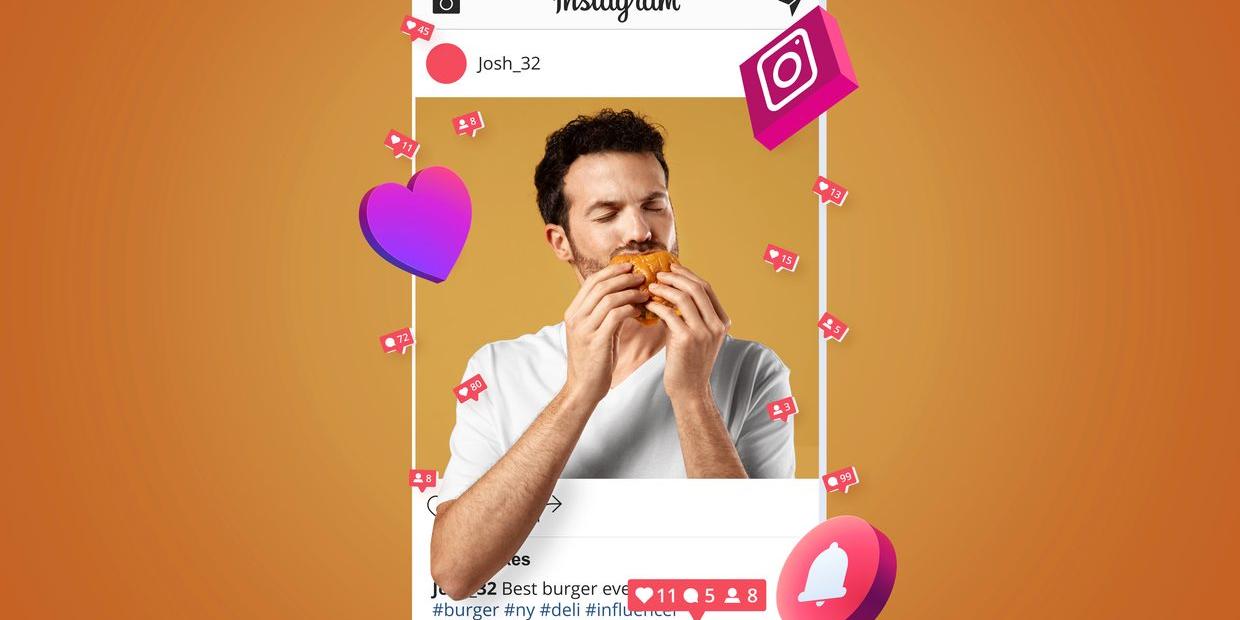
This pattern also appears outside of traditional commercials—for example, when a segment begins in the middle of a reaction or a result and provides the explanation only later on. Native advertising works in a similar way, deliberately blending into the existing narrative formats of the respective channel rather than forcing its own introduction.
- Post starts in the middle of the results
- An explanation will follow later
- Adaptation to Familiar Narrative Formats
Risks of Jumping Right into the Middle of the Story
If the follow-up explanation is completely missing at the end, the message remains unclear to parts of the target audience, which can be a particular problem with more complex products. In credible UGC content marketing, it’s also evident that an overly abrupt opening without any context quickly comes across as artificial if it doesn’t fit the otherwise authentic tone of the format.
- Lack of Explanation Confuses the Target Audience
- Complex products require more context
- A too abrupt opening comes across as inauthentic
In Media Res in Practice: Examples from Advertising
A commercial that begins with a loud bang or a surprised expression before the product is even shown is a classic example of the “in media res” principle. Many successful formats within the AIDA model also deliberately use an unusual opening to shorten the attention phase and get to the actual message more quickly. Another example is the testimonial ad, which begins directly with an emotional reaction instead of first explaining who the person even is.
This principle works even outside the realm of moving images: A social media post that begins with a surprising claim instead of an introduction follows the same logic as *in media res* in film.
- An Unusual Opening Instead of an Explanation
- Consciously Shorten the Attention Phase
- Start testimonials with an emotional appeal
- This principle can also be applied to text formats
In Media Res vs. Other Techniques for Capturing Attention
A cliffhanger ends with an unresolved question, while *In Media Res* poses that unresolved question right at the beginning. Both techniques can be combined—for example, when a commercial begins in the middle of the action and also builds new suspense at the end to set up the next installment. Compared to a mere attention-grabbing gimmick, as is often seen in viral formats, “in media res” remains more closely tied to an actual plot and thus comes across as less contrived.
Especially in settings where screen time per person is limited, it’s worth consciously using both techniques together to make the most effective use of the few seconds available.
- The cliffhanger ends with an open-ended, unresolved plot
- Both techniques can be combined
- More closely tied to the actual plot
- Effective with limited screen time

Content: Content Types, Content Marketing, and Quality at a Glance
Social Media Platform: Definition, Features, and the Main Categories

B2B Marketing: Definition, Channels, and the Difference from B2C

Case Studies: Structure, Social Proof, and Use in Marketing

Webinars: B2B Leads, Live Formats, and the Perfect Structure
How-To Content: Using Tutorials, Guides, and Search Intent Effectively














 4.9 / 5.0