
Film Concept: How a Video Takes Shape Before the First Shoot
The best videos often seem casual, but they are the result of careful planning. Before the camera starts rolling, it must be clear what message a video is intended to convey and who its target audience is. Analyses of successful YouTube formats, for example, demonstrate just how closely this concept is linked to successful video content; they consistently show that structure and objectives are decisive for success, not just the technical execution.
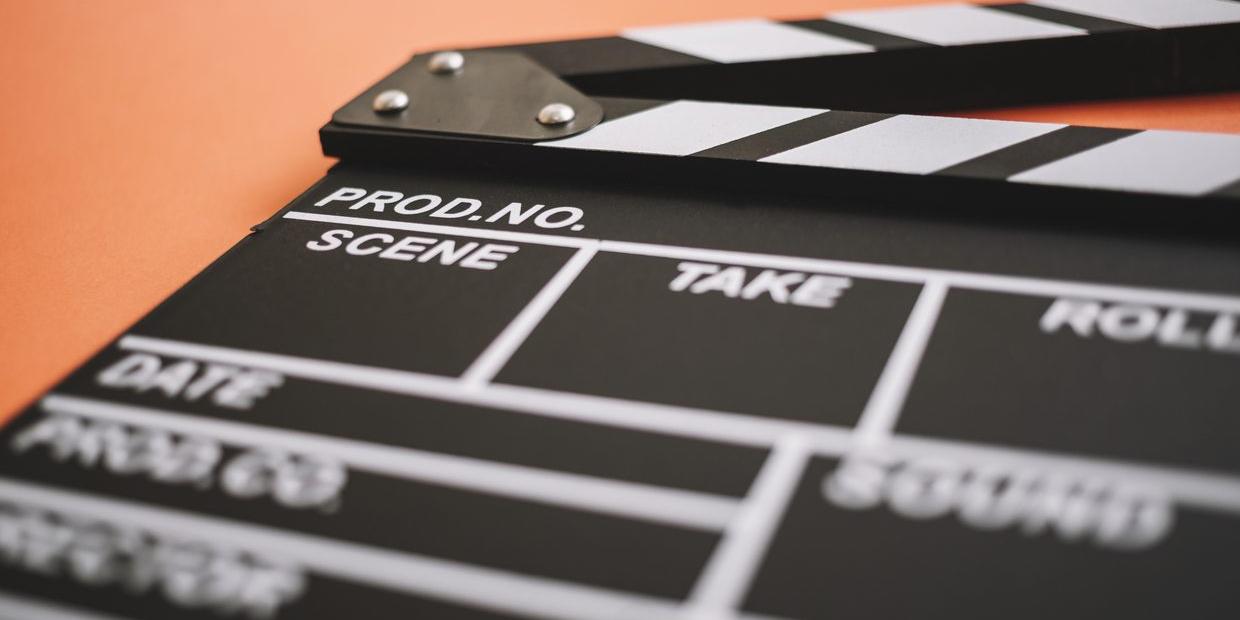
What Film Concept Development Encompasses
A film concept outlines what story will be told, the order in which images and messages follow one another, and what emotion should linger with the audience at the end. This includes a screenplay—or at least a rough script—a storyboard featuring the key shots, as well as an overview of locations, set design, and the people needed both in front of and behind the camera.
Those who wait until on set to clarify the technical specifications end up paying threefold later—through reshoots, longer editing times, and frustration within the team. All parameters belong in the concept document, which all participants sign.
Technical details such as aspect ratio, frame rate, and planned runtime are also established during this phase so that no fundamental decisions need to be improvised on the day of shooting.
- Budget Calculation: Realistic Costs per Production Day
- Casting requirements: voice-over artists, extras, experts
- Clarify Permits: Filming Location Permits, Rights of Use
- Scene duration, buffer time for complexity
- Define color concept, look, and visual style
Typical Components of a Film Concept
- How the video resonates with the audience
- One central idea instead of many messages
- Storyboard: Visual sequence of the most important scenes
- Tone: Serious, humorous, documentary-style, or staged
- Length and format adapted to the platform
- Where the content will be shown
Why Concept Development Is Key to Success
Shooting without a concept often results in a large amount of footage from which it’s impossible to piece together a clear story on the editing table. On the other hand, developing a concept beforehand saves shooting time, reduces production costs, and ultimately results in a video that conveys the actual message rather than just looking good. The question of how the content will be used later—for example, as content for your own channel—should also be considered during the concept phase, because this directly determines which edited versions and formats actually need to be filmed.
- Definethe Target Audience and Platform Before Filming Begins
- A storyboard visually outlines the sequence of scenes
- Derive the budget and schedule from the concept
- Establish measurableKPIs for success
Design for Different Formats
A short social media video requires a different approach than an explanatory video or commercial that lasts several minutes. While the first few seconds of short-form videos determine how long viewers stay engaged—and therefore must be planned with particular care—longer formats tend to focus on a consistent narrative thread that holds viewers’ attention even after several minutes. A good concept takes these differences into account from the very beginning, rather than forcing a format into a completely different time frame after the fact.
- Social Media: Hook in the First Second
- Explanatory Video: Structure Storytelling Around a Clear Solution
- Target audience and platform determine editing rhythm and length
- Commercial: Position the call-to-action at the optimal time
- Define format-specific requirements before creating the shooting schedule
Concept Development as the Foundation for Professional Production
The more complex a production is—for example, one involving multiple locations or performers—the more important a detailed storyboard becomes, as is standard practice in professional video production workflows that include storyboard planning. A well-thought-out film concept is therefore not an optional intermediate step, but rather the actual creative work from which every good video emerges.
- Screenplay, Storyboard, Animatic: Three Planning Stages
- Derive the budget and schedule from the concept
- Define camera shots and editing rhythm
- Gather stakeholder feedback before production
Collaboration Between Concept Development and Production
A strong concept only realizes its full value when it is consistently implemented on the day of shooting. That’s why the person or team responsible for the concept should work as closely as possible with the director and the camera crew to ensure that spontaneous decisions on set don’t inadvertently stray from the original concept. Minor adjustments are normal and often even beneficial—for example, if a location looks different than expected—but they should be made deliberately and not simply because of time pressure. It is precisely this balance between thorough planning and flexibility in the details that distinguishes professional video productions from shoots where improvisation is necessary simply because no viable concept was developed in advance.
- Schedule regular coordination meetings before filming begins
- Conduct a location scouting session with the concept developer and cinematographer
- Document changes and record the reasons
- Use the storyboard as a binding reference
- Define contingency scenarios and backup plans in advance
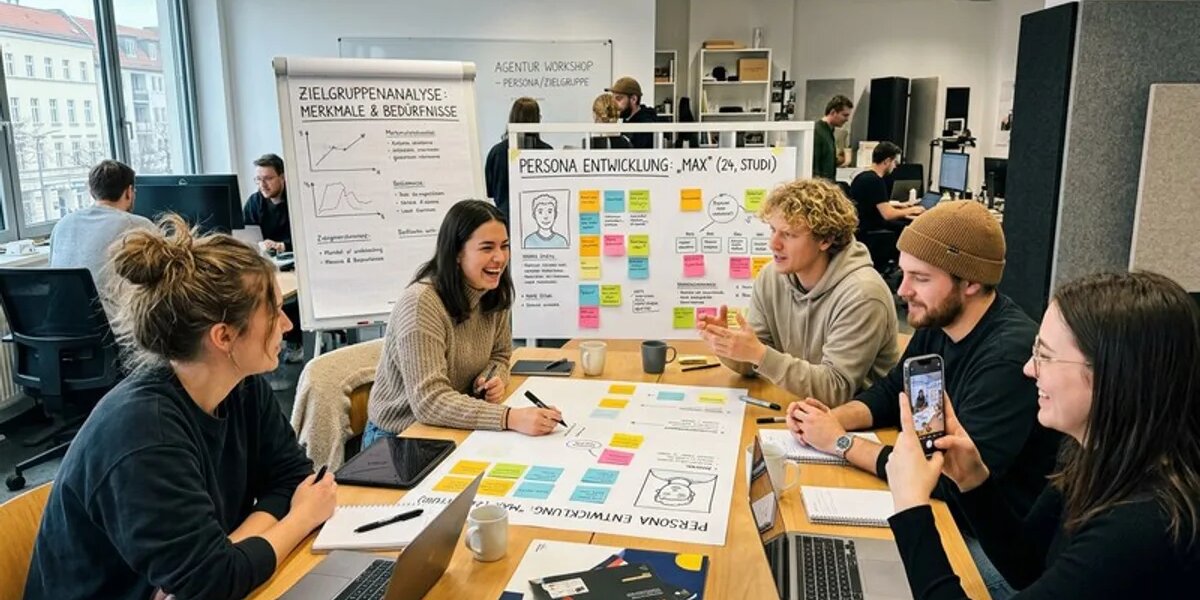
Pre-Production: Planning and Preparation Before Filming

Post-Production: Process and Tasks After Filming

Art Director: Responsibilities and Role in Agencies and Production

Producer: Roles and Responsibilities in Video Production

Director: Responsibilities and Role in Video Production

Production Company: Responsibilities, Services, and Selection Criteria







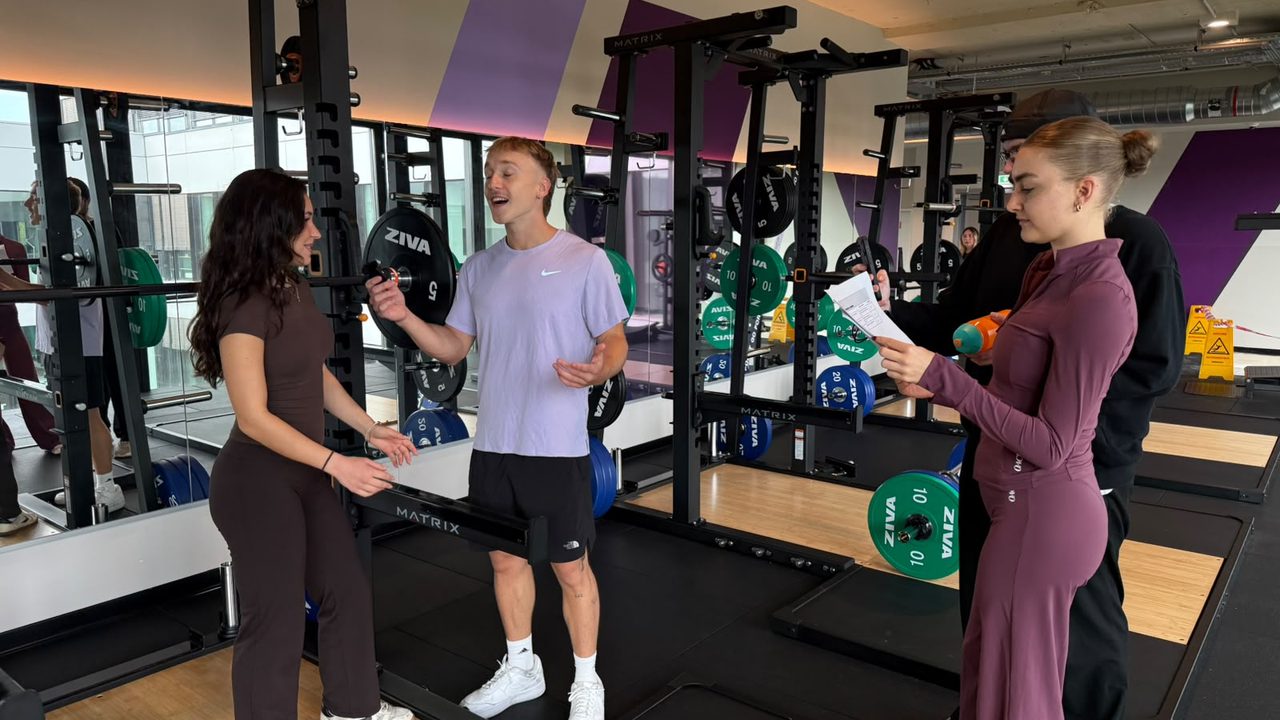
Content Production for Fitness Studios: TikTok, Instagram and the Journey from Concept to Finished Video
Photo and video production for social media: What companies need

AI marketing: text, image, video, advertising, store & social media - what works?

Social Media Marketing Food & Beverages: Agency, Community, Advertising



 4.9 / 5.0