Consumer Products: Marketing Strategies for B2C Goods and Consumer Products

Consumer products are the most visible category in marketing—and at the same time, the most competitive. In the supermarket, hundreds of brands compete for attention, shelf space, and purchasing decisions in a matter of seconds. Anyone who wants to successfully market B2C goods must understand the psychological mechanisms of consumer behavior as well as the […]
Visibility: What Really Makes Companies Visible on Google

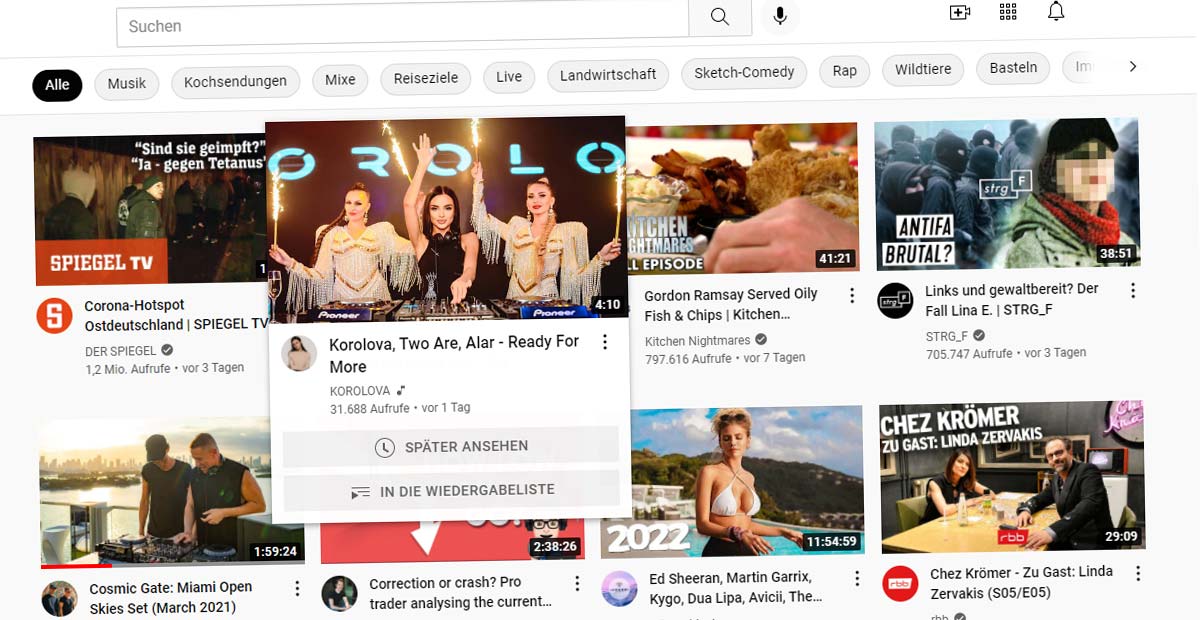
In marketing,visibility describes how present a brand or website is where its target audience is actually searching—whether in traditional search results, on social media, or, increasingly, in responses from generative AI systems. The term thus goes well beyond a single Google ranking and is therefore increasingly viewed as a metric in its own right, alongside […]

Media Plan: Development, Channel Selection, and Budget Allocation in Media Planning

A well-thought-out media plan is the backbone of any successful advertising campaign. Without precise channel selection, clear budget allocation, and measurable reach goals, even the most creative concept will fizzle out without making an impact. Anyone who creates media plans professionally today secures a decisive competitive advantage. Definition and Classification Here’s what it’s all about: […]

Performance Max: The Automated Google Ads Campaign Type

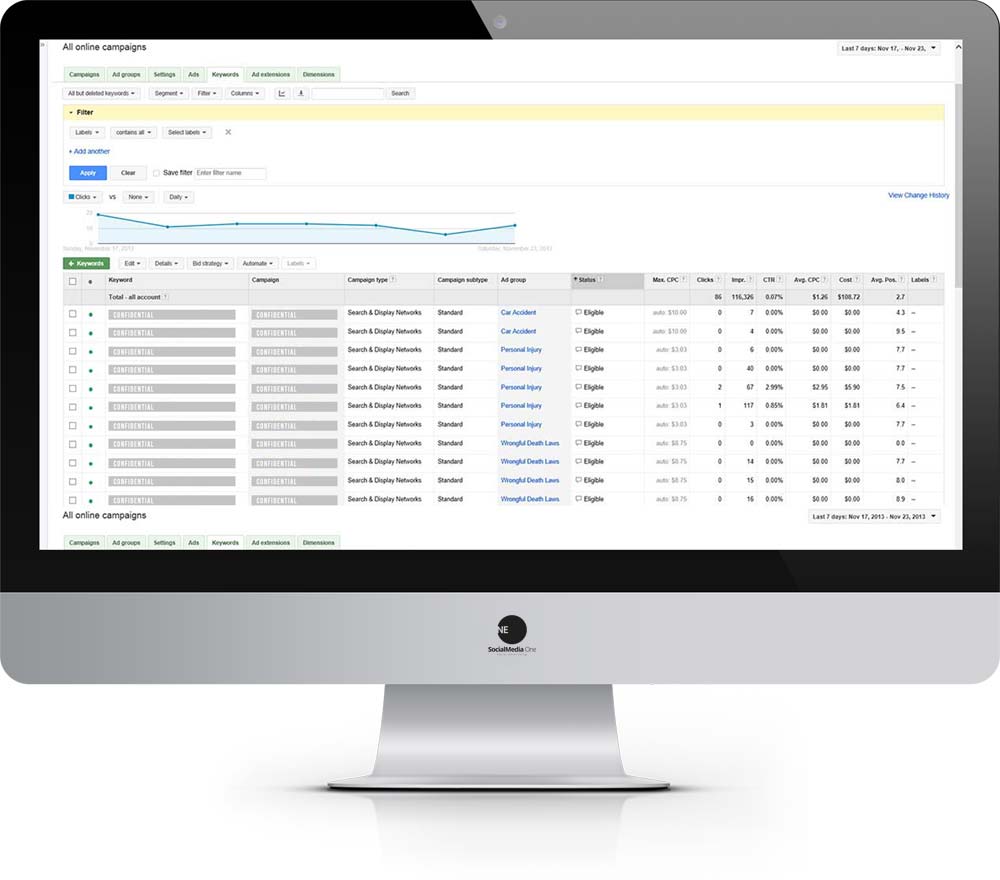
Performance Max is an automated campaign type within Google Ads that uses a single product feed and a small number of text and image assets to run ads simultaneously across Search, Display, YouTube, Gmail, Discover, and Maps. Unlike traditional campaign types, the algorithm handles all channel and bid management, eliminating the need to set up […]

Brand Perception: How Consumers Experience and Evaluate a Brand

Brand perception is not an objective fact—it is a subjective construct in the consumer’s mind. There is often a significant gap between what a brand thinks of itself and what consumers think of it. Those who are unaware of this gap and do not actively bridge it are heading blindly into strategic pitfalls. Definition and […]

Brand Experience: How Brands Appeal to All the Senses Through Experience Marketing

A brand has long been more than what it represents—it is what it makes people feel. Brand experiences have fundamentally changed the way we communicate: It is not the message, but the lived experience that determines whether a brand is remembered, recommended, and loved. Those who appeal to all five senses create an emotional depth […]

Barcode (GTIN): Product Identification for Google Shopping

A product’s barcode —technically known as a GTIN—is much more than just a number for the checkout in e-commerce. In the product feed, this identifier determines whether Google can associate a product with a specific brand or classifies it as generic and limits its reach. Anyone rebuilding their store system as part of an e-commerce […]

Campaign Types: An Overview of Google Ads Formats

The campaign types in Google Ads determine where an ad appears and how much control the advertising brand retains. From classic search ads to fully automated formats, these types vary greatly in terms of objectives, data requirements, and bid management. If you choose the wrong type for your specific goals, you’ll end up paying for […]

Awe Marketing: How Wonder and Awe Make Brands Unforgettable

What makes people share a promotional video millions of times without a single discount offer involved? The answer lies in one of the most powerful yet least understood human emotions: awe. Brands that deliberately evoke awe leave a deep impression on their target audiences —far beyond rational product promises. Definition and Classification Here’s what it’s […]

Product Feed: Setup, Attributes, and Structure for Google Shopping

A product feed is a structured file that an online store uses to submit its entire product lineup to Google, Meta, or other advertising platforms. Instead of creating individual ads manually, the feed provides the title, price, availability, and other attributes for each product, which the platform then uses to automatically generate ads—for example, in […]