Instagram Shopping: Social Commerce, New Features, and Strategies
Instagram Shopping has long since evolved from a nice little extra feature into a serious revenue generator—and any brand or retailer that’s still hesitating is losing market share every day to competitors who are moving faster. The platform is investing heavily in social commerce, and its latest features make it clear: The purchasing process is intended to take place entirely within Instagram, without any media breaks or distractions. For marketing professionals, this means now is the right time to fundamentally rethink their Instagram Shopping strategy.
Instagram Shopping: What the Platform Offers Today
Instagram has consistently expanded its shopping section in recent years and developed it into a full-fledged e-commerce ecosystem. The integration between content, community, and purchasing decisions is now so seamless that traditional conversion funnel models are largely ineffective. Instead, spontaneous, contextual purchasing impulses arise—right in the feed, in Stories, in Reels, and in the Explore section.
An Overview of the Key Features
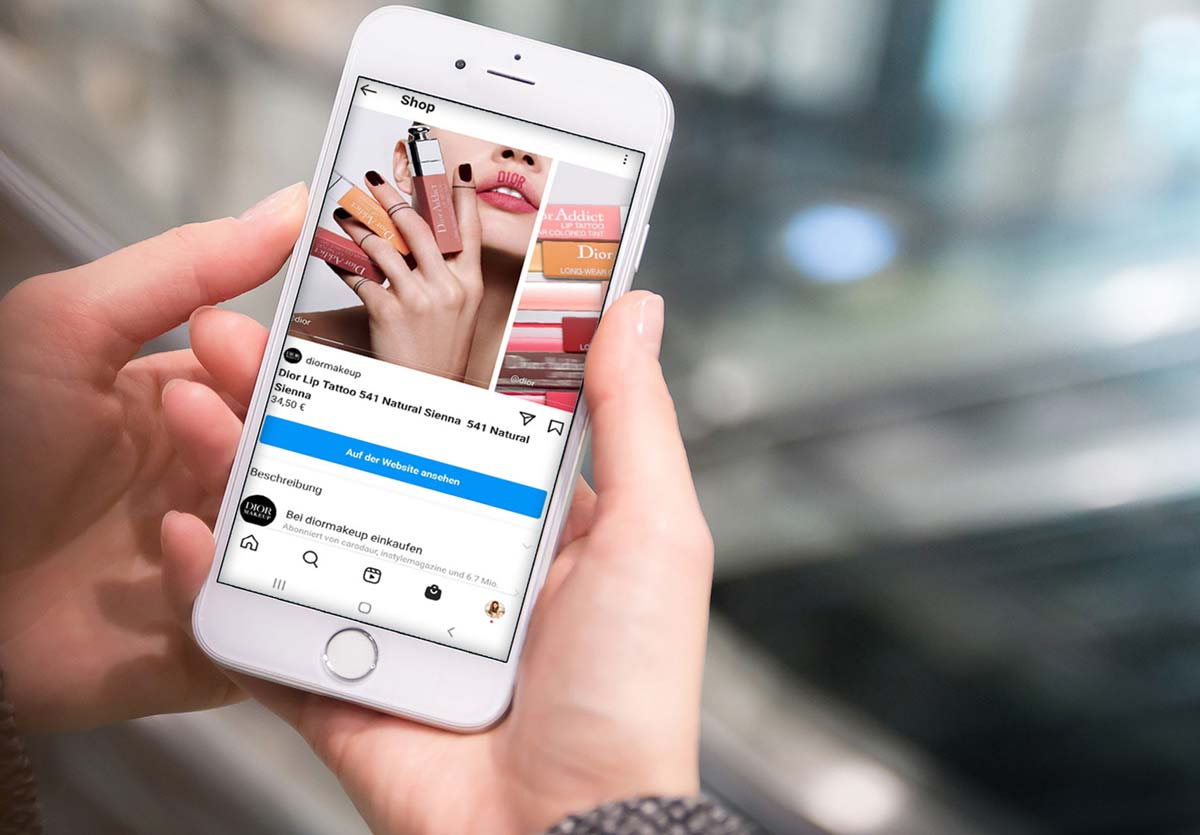
Instagram Shop Tab
Users can search for and browse products directly through the dedicated Shop tab—without having to actively visit a brand’s profile.
Product Tags in All Formats
Products can be tagged in feed posts, Reels, Stories, and live videos—with a direct link to the product detail page or to in-app checkout.
In-App Checkout (U.S. & select markets)
Users can complete purchases without leaving Instagram—according to internal Meta data, conversion rates are up to 30% higher than with external redirects.
This infographic summarizes the key factors for successful Instagram marketing—from content strategy to growth strategies.
Shopping on Reels
Short, entertaining product videos with embedded tags achieve up to 67% higher engagement rates than static product-related posts.
Collaboration Posts with Creator Shopping
Brands can partner with creators who sell products directly from their posts—on a commission basis through Meta’s affiliate program.
Live Shopping
Real-time product presentations with a direct purchase option create a particularly strong sense of urgency and engage target audiences prone to impulse buying.
Instagram Shopping is no longer just another channel—it’s the direct path from inspiration to purchase, and anyone who doesn’t optimize this path is throwing money away.
Setup and Optimization: How Companies Get Off to the Right Start
Setting up an Instagram Shop from a technical standpoint is straightforward, but strategic optimization is what determines success or failure. Many brands fail not because of technical issues, but because they treat their shop like a traditional online catalog—rather than as a social commerce touchpoint. The key difference lies in the quality of the product content and the frequency with which shopping features are integrated into organic content.
A Step-by-Step Guide to Optimizing Your Instagram Shopping Presence
Set Up Commerce Manager
The product catalog is uploaded via Meta Commerce Manager and linked to the Instagram profile—a prerequisite for all other shopping features.
Product Images That Meet Instagram Standards
Square or portrait-oriented images with a minimum resolution of 1080 × 1080 pixels; white or neutral backgrounds for catalog views; lifestyle-oriented images for posts.
Optimize product descriptions for the platform
Short, emotional product descriptions instead of technical lists—Instagram users make decisions in seconds, not minutes.
Create Collections
Thematic product collections (e.g., by occasion, season, or style) increase the average cart value and extend the time customers spend in the store.
Schedule shopping content on a regular basis
We recommend posting at least 3–4 shopping posts per week to be classified as an active shop by the algorithm.
| Format | Max. Product Tags | A particular advantage | Recommended Frequency |
|---|---|---|---|
| Feed Post (Image) | 5 products | Long dwell time, good for the catalog | 3–4 times a week |
| Reels | 30 products | Maximum Reach, Explore Placement | 2–3 times a week |
| Stories | 1 product | Urgency, Swipe-Up Behavior | Available daily |
| Live Shopping | Unlimited (manual) | Real-time engagement, impulse purchases | 1–2 times a month |
| Collaboration Post with a Creator | 5 products | New Target Audiences, Social Proof | Depending on the campaign |


The Agency Strategy: What Professional Instagram Shopping Looks Like
From our experience as a social media agency, we know that the greatest impact doesn’t come from setting up the shop, but from strategically integrating organic content, paid reach, and creator collaborations. Brands that take a holistic approach to Instagram marketing don’t use their shop as a static catalog, but as a dynamic touchpoint that’s specifically fueled by Meta Ads. Shopping Ads—that is, ads that lead directly to product pages in the Instagram Shop—consistently achieve lower cost-per-purchase figures in e-commerce than traditional link ads, because users don’t have to leave the platform.
When complemented by a well-thought-out social media strategy that aligns posting frequency, target audience targeting, and product presentation, a self-reinforcing cycle of reach, engagement, and conversions is created. It’s especially important to note that Instagram Shopping doesn’t work in isolation. Those who utilize parallel channels such as TikTok marketing should coordinate product campaigns across platforms to ensure consistent brand messaging and leverage synergies between target audiences.
- Strategic integration trumps isolated store setup
- Shopping Ads significantly reduce cost per purchase
- Combine organic content with paid reach
- Leverage creator collaborations as a key success factor
- Cross-platform coordination is necessary for consistency
- A self-reinforcing loop of reach and conversions
- Use TikTok and Instagram synergistically
What Brands Should Do Differently, Specifically
Product Seeding with Micro-Creators
Nano- andmicro-influencers (1,000–50,000 followers) often achieve higher click-through rates in a shopping context than macro-influencers because their community is more engaged and more likely to make a purchase.
Retargeting Audiences from the Store
Users who have viewed products in the Instagram Shop but haven’t purchased them can be re-engaged through Meta Ads using dynamic product ads.
Strategically Planning Seasonal Collections
Christmas, Black Friday, Valentine’s Day—if you create collections 4–6 weeks in advance and back them up with content, you’ll benefit from early algorithm momentum.
Actively Incorporate UGC into Shopping Content
User-generated content with product tags significantly boosts potential buyers’ trust—and is more cost-effective than professional product photography.
Consistently Analyze Store Analytics
Instagram provides detailed data on product impressions, product tap rates, and saves—these metrics should be reviewed weekly to continuously optimize the catalog.
Conclusion
Instagram Shopping isn’t just a passing trend—it’s the infrastructure on which social commerce will scale in the coming years. For marketing professionals, this means that those who invest now in a professional shop setup, high-quality shopping content, and the smart integration of organic and paid channels will secure a structural competitive advantage. The technical barriers to entry are low, but the strategic requirements are high—and this is precisely where the difference lies between brands that take Instagram Shopping seriously as a revenue channel and those that treat it as a side project. Our clear advice: Get started now, test consistently, and scale what works—before your competitors do.
- Instagram Shopping Is Becoming a Social Commerce Infrastructure
- Professional Shops Secure a Competitive Advantage
- High strategic demands despite low barriers to entry
- Integration of organic and paid content
- Get started, test, and scale now
- The Difference Between a Serious Project and a Side Project