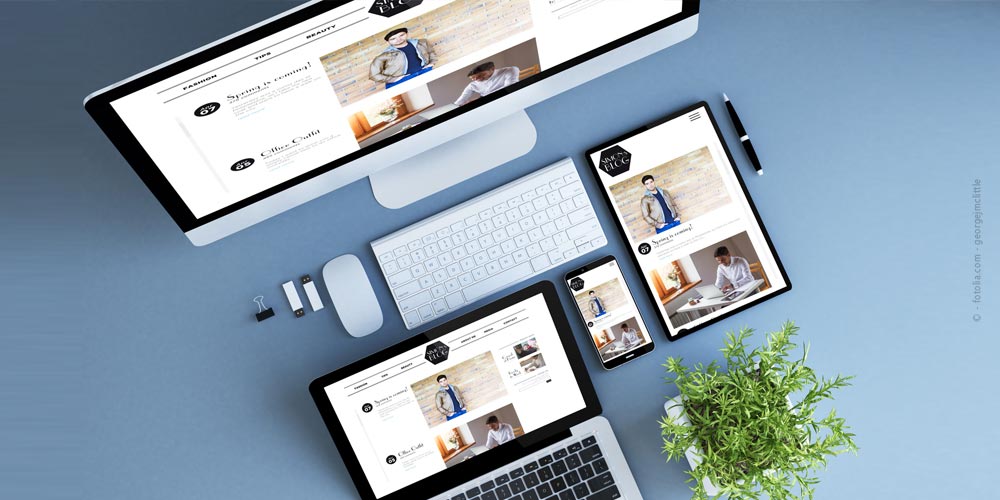
UI/UX Design Agency: User-Centered Design for Websites, Apps, and Platforms
Digital products don’t fail because of a lack of traffic, but because users don’t understand how they work—or feel uncomfortable using them. UI/UX design determines whether a website converts, an app is used daily, or a platform is abandoned after the first visit.
What UI/UX Design Really Means — and Why the Difference Matters
UI stands for User Interface: the visual design of buttons, colors, typography, and layout. UX stands for User Experience: the overall experience a person has when interacting with a digital product. Studies show that users decide within 50 milliseconds whether they like a website. At the same time, 88% of online users say they won’t return to a website after a negative experience.
Core Responsibilities of a UX Agency in Day-to-Day Project Work
- User interviews and contextual surveys to identify needs
- Creating Personas and User Journey Maps
- Wireframing and prototyping for layouts and interaction logic
- Usability Testing with Real Users Before Launch
- Heuristic Evaluation of Existing Systems for Error Identification
- Iterative Optimization Based on Analytics and A/B Testing
User Research Methods: Data Instead of Gut Feelings
User research is the foundation of every UX project. Professional UX agencies combine qualitative and quantitative methods: Qualitative methods include interviews, observational studies, and card sorting. Quantitative methods, such as heat maps, scroll maps, funnel analyses, and session recordings, provide measurable behavioral data.
Key Insight: Companies that systematically invest in UX research achieve an average return on investment of up to 9,900%—every euro invested yields a return of up to 100 euros because it eliminates development costs for poorly designed features.


Interface Design and Conversion
The link between UI design and conversion rates is measurable. Simply by optimizing the design of call-to-action buttons, click-through rates can be increased by 30 to 200%. Form fields that require too much mandatory information reduce the checkout completion rate by an average of 26%.
In practice, we see time and again that companies invest large budgets in traffic while at the same time accepting bounce rates of over 70%. The most profitable strategy is often not greater reach, but a better user experience on the pages that are already being visited.
UI/UX Benchmarks Compared
| Metric | Low value | Industry average | Top Performer |
|---|---|---|---|
| Bounce Rate (Website) | over 70% | 40–55% | less than 30% |
| Task Completion Rate (App) | less than 60% | 70–80% | over 90% |
| System Usability Scale (SUS) | less than 51 points | 68 points | over 85 points |
| Checkout Abandonment Rate (E-Commerce) | over 80% | 60–70% | less than 50% |
| Page Load Time (Core Web Vitals) | more than 4 seconds | 2.5–4 seconds | less than 2.5 seconds |
Conclusion
UI/UX design is the foundation of every successful digital product. User-centered design reduces bounce rates, increases conversions, and builds a digital brand that people trust.
How much does a professional UI/UX project cost?
A comprehensive UX analysis and redesign of a medium-sized website costs between 8,000 and 30,000 euros. App projects start at 20,000 euros and can cost significantly more, depending on their complexity.
When should I hire a UX agency instead of a designer?
Once a product reaches a certain level of complexity, an agency’s structured approach is clearly superior. A UX agency brings research methodology, testing infrastructure, and strategic process expertise to the table.
How long does a typical UX redesign take?
For a medium-sized website, a complete UX process typically takes 8 to 14 weeks.
What is the difference between UI design and graphic design?
Graphic design focuses primarily on visual communication. UI design shapes interactive systems: states, transitions, feedback mechanisms, and responsive behavior.
How do I measure the success of a UX project?
Relevant KPIs include conversion rate, bounce rate, task completion rate, System Usability Scale (SUS score), average session duration, and Net Promoter Score.
Good UI/UX design directly contributes to the corporate website and app development strategy. For e-commerce applications, specific e-commerce design requirements must be taken into account. A holistic digital strategy integrates both disciplines.