Packaging: Why Packaging Is Part of Brand Communication
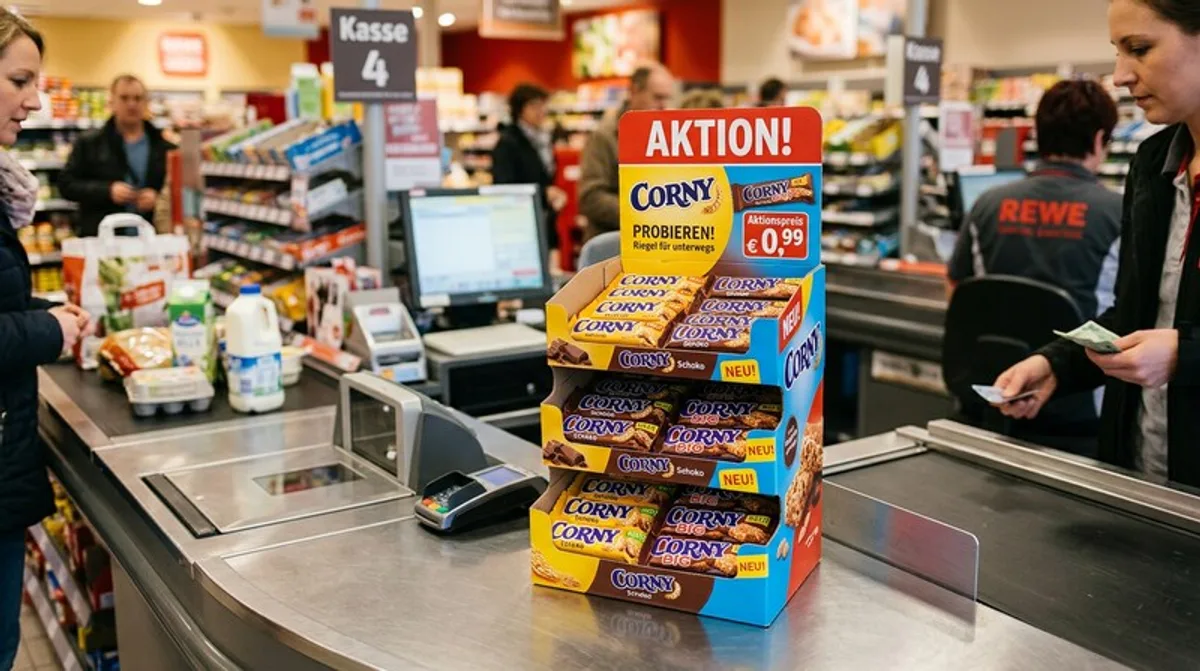
Whether on the shelf or in a package, packaging is often the last opportunity a brand has to influence a purchasing decision. Packaging is therefore much more than just a protective box; it is a visible part of the brand perception that has been built up over the years and is either confirmed or disproved on the shelf within seconds.
The Functions of Packaging
Packaging must fulfill several functions at once: It physically protects the product, provides information about its contents and use, stands out from competitors on the shelf, and conveys the brand’s values through its materials, colors, and texture.
From projects involving fragile goods: A damaged shipment often costs more in lost trust than packaging material that’s a few cents more expensive—when in doubt, it’s better to allow for a little extra protection than to cut corners in the wrong place.
Good packaging manages to meet all these requirements without one function hindering another—for example, when a highly protective material makes opening the package unnecessarily complicated. The close connection between protective function and brand experience is particularly evident with delicate or high-priced products: Damaged packaging often does more harm to brand trust than a slightly higher retail price—which would have allowed for better material quality—would have.
- Protection, Information, Differentiation, Brand Values
- Functions must not slow each other down
- Particularly important for high-priced products
- Damage causes more harm than additional costs
Factors That Make for Good Packaging
- Easily recognizable from a distance and on the shelf
- Clear Information on Content and Use
- The choice of materials aligns with the brand’s positioning
- Practicality in terms of transport, storage, and shelf placement
- Sustainability as an increasingly important factor in purchasing decisions
- The unboxing experience leaves a positive impression


Sustainability as a Growing Factor
More and more customers are consciously paying attention to packaging materials, recyclability, and the amount of unnecessary outer packaging. Brands that take credible action in this area—rather than simply advertising with green colors or vague terms—are increasingly gaining trust. At the same time, sustainability must not come at the expense of protective function or the brand experience, which is why packaging decisions often require striking a balance between several legitimate requirements.
- Consider recyclability and the range of materials
- Act with credibility rather than just for show
- Balancing Sustainability and Protective Function
Packaging as an Extension of Brand Identity
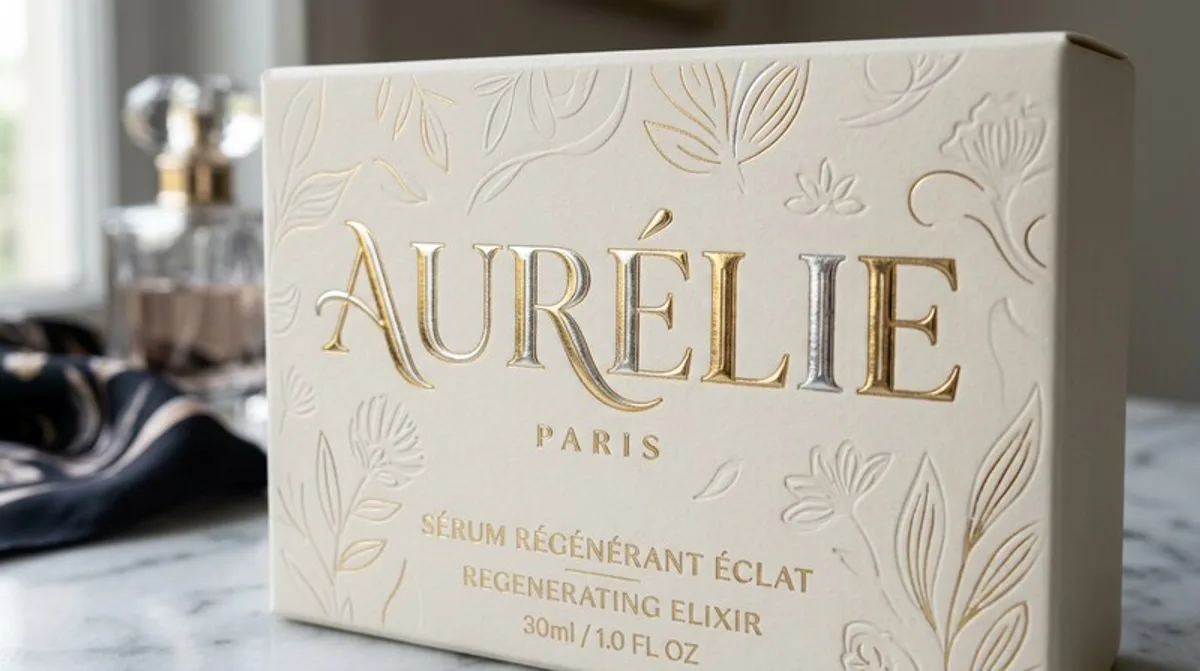
Packaging is only effective when it aligns with the overarching corporate identity. A brand that positions itself as high-quality but is packaged in plain, mass-produced packaging creates a contradiction that customers subconsciously pick up on. Conversely, well-designed packaging can signal high quality even for comparatively simple products.
- Packaging must reflect the brand’s identity
- Contradictions are registered subconsciously
- A simple product can look high-quality
The unboxing experience as a brand moment in its own right
In e-commerce in particular, opening a package has become a brand moment in its own right, one that is frequently shared on social media. Small details—such as a personalized thank-you card, thoughtful inner packaging, or a pleasant unboxing experience—often cost very little but have a disproportionately strong impact on brand perception because they occur at a moment when customers are already in a positive frame of mind.
- “Open” Is Often a Shared Brand Moment
- A personal thank-you card as a small gesture
- The pleasant sensation of opening has a disproportionately strong effect
Packaging in the Retail Sector
Private labels, in particular, demonstrate just how strongly packaging shapes the perception of a product, as is also evident from how private labels are positioned in retail. Often, packaging alone determines whether a product is perceived as equivalent to well-known brands or as an affordable alternative. Packaging is therefore a strategic element that goes far beyond mere aesthetics. Those who integrate packaging early in the product development process—rather than treating it as a mere formality shortly before launch—also avoid costly revisions if, for example, it turns out that a chosen material thickness is logistically impractical or that there is simply no room on the packaging for required legal labeling. This early coordination between product development, design, and logistics often determines whether the packaging ultimately creates a cohesive overall look or comes across as an afterthought or compromise.
- Private-label brands benefit greatly from packaging
- Involve them early in product development
- Considering Logistics and Labeling Requirements
- Last-minute changes can be costly